If you’re looking to shake up your houseplant collection and introduce something striking and exotic to your décor, zebra print houseplants are the perfect choice.
These tropical beauties feature uniquely striped foliage that resembles the patterns of a zebra, making them instant conversation starters. Not only are they visually captivating, but many are also low-maintenance and purify the air.
Zebra print houseplants hail from warm, humid environments and thrive best in conditions that replicate those climates.
Ideally, they require humidity levels between 60–70% and temperatures slightly above 60°F (15°C). Sudden cold snaps or extreme heat can lead to leaf drop or stunted growth.
Below are 15 of the most beautiful zebra print houseplants you can grow to elevate your indoor garden and bring lush, vibrant character into every room.
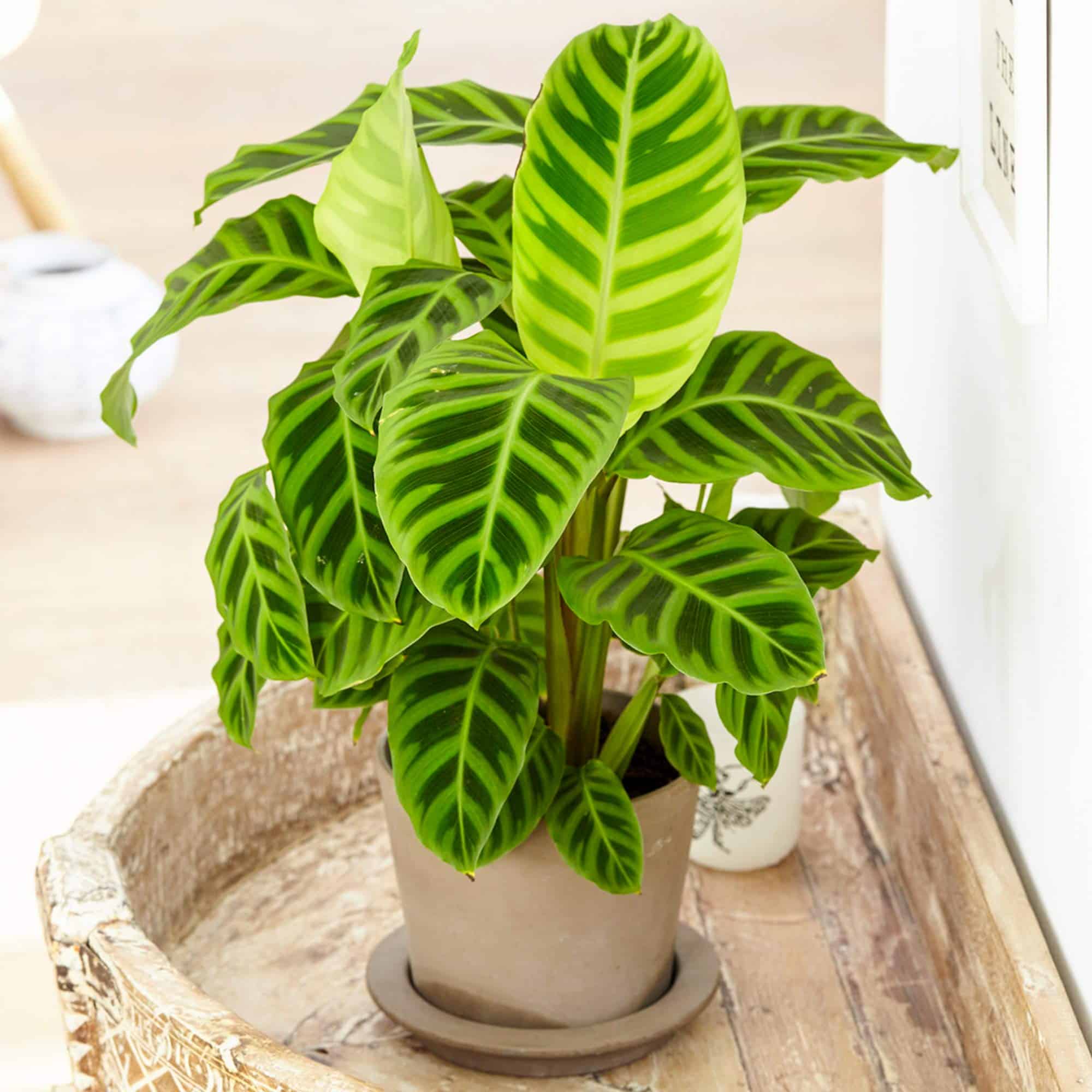
1. Zebra Calathea (Calathea zebrina)
The Zebra Calathea is a showstopper with its velvety mid-green leaves featuring darker green zebra-like stripes. It thrives in indirect light and high humidity.
Keep its soil consistently damp but avoid overwatering. Ideal growing temperatures are between 64°F and 74°F (18°C–23°C).
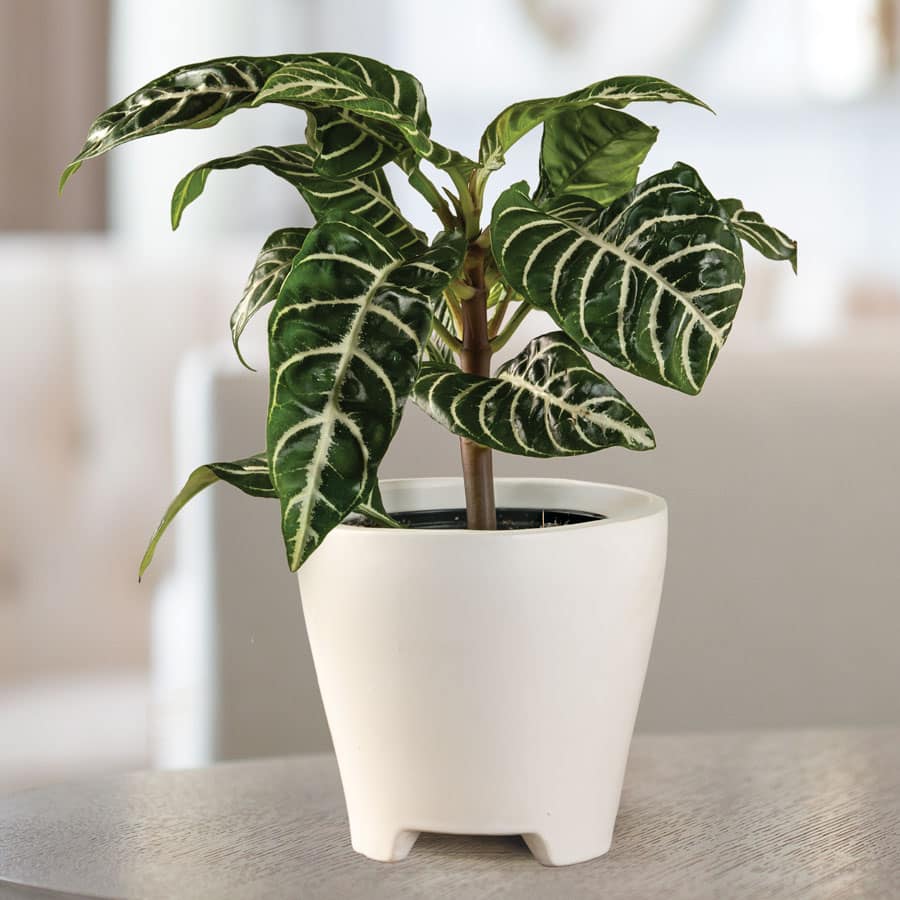
2. Zebra Plant (Aphelandra squarrosa)
This tropical beauty features glossy dark green leaves with thick white stripes. It also produces striking yellow flower spikes in the right conditions.
Zebra Plants prefer bright, filtered light and consistently moist (but not soggy) soil. High humidity is essential to keep the leaves vibrant.
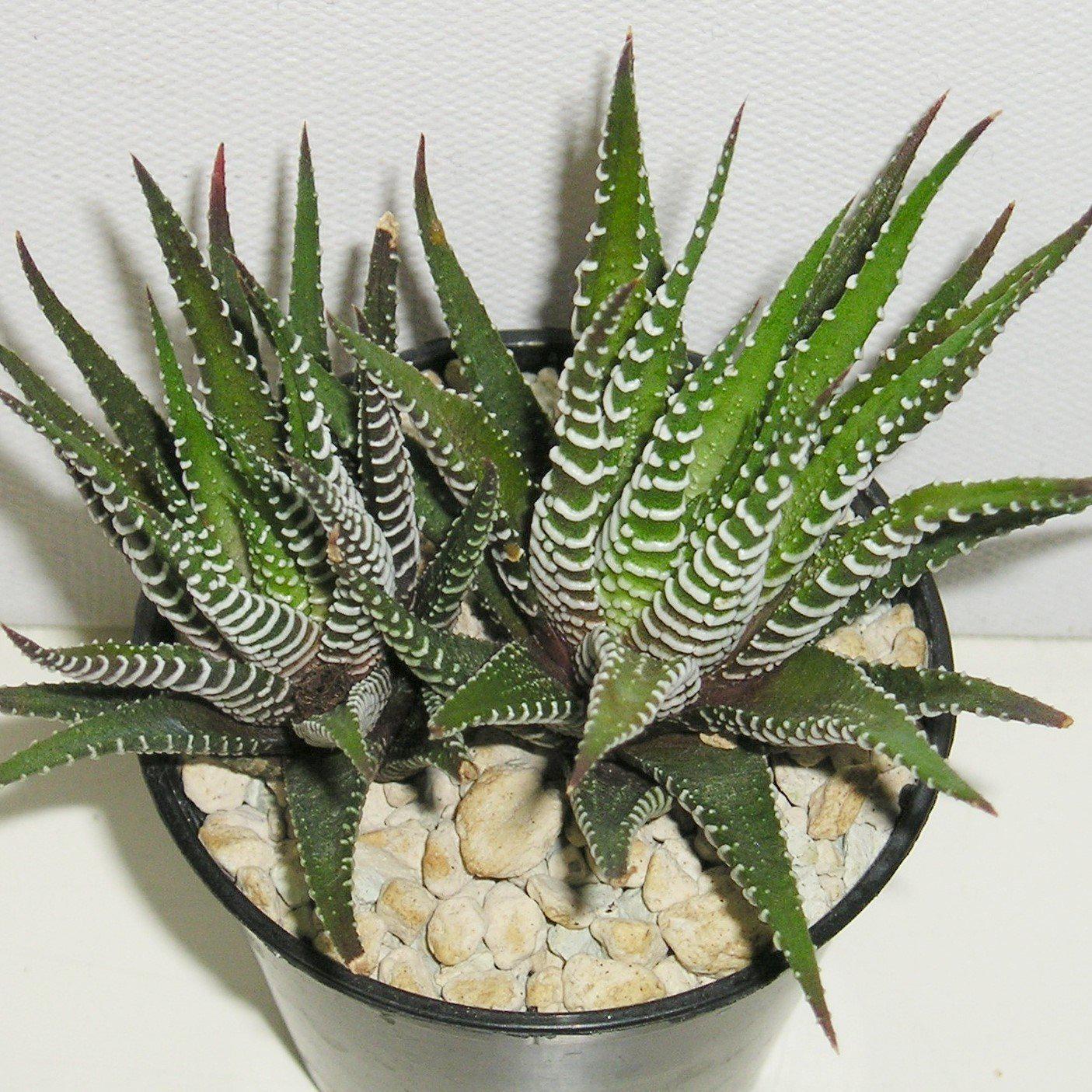
3. Super White Zebra (Haworthia fasciata)
Also known as the Zebra Haworthia, this succulent has thick dark green leaves adorned with raised white stripes.
It thrives in bright, indirect light and is highly drought-tolerant. Water only when the soil is completely dry, especially in the summer when it may go dormant.
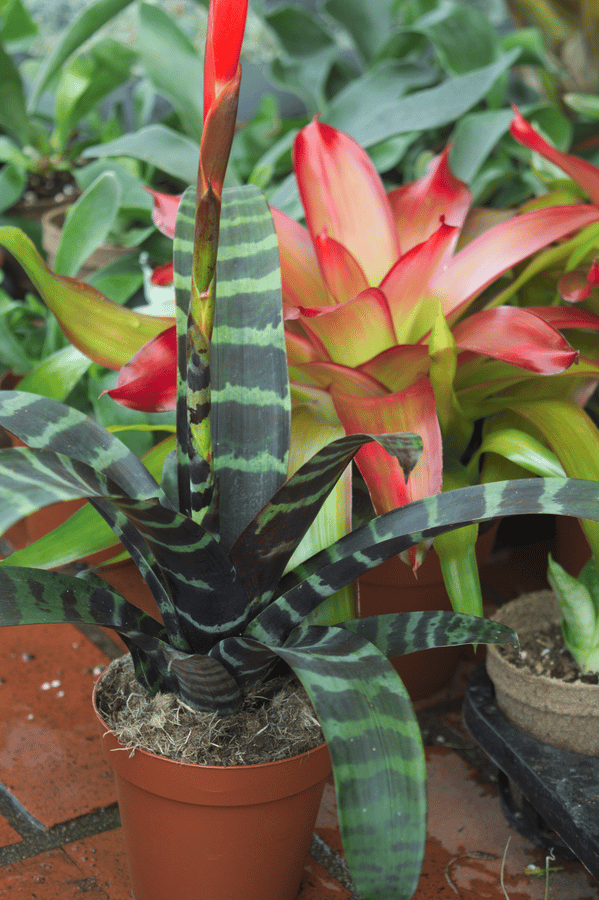
4. Flaming Sword (Vriesea splendens)
This bromeliad earns its name from the bold, red sword-like flower it produces. Its striped leaves are also highly ornamental.
Water the central cup every 2–3 weeks and maintain good humidity. Place in indirect light for optimal health.
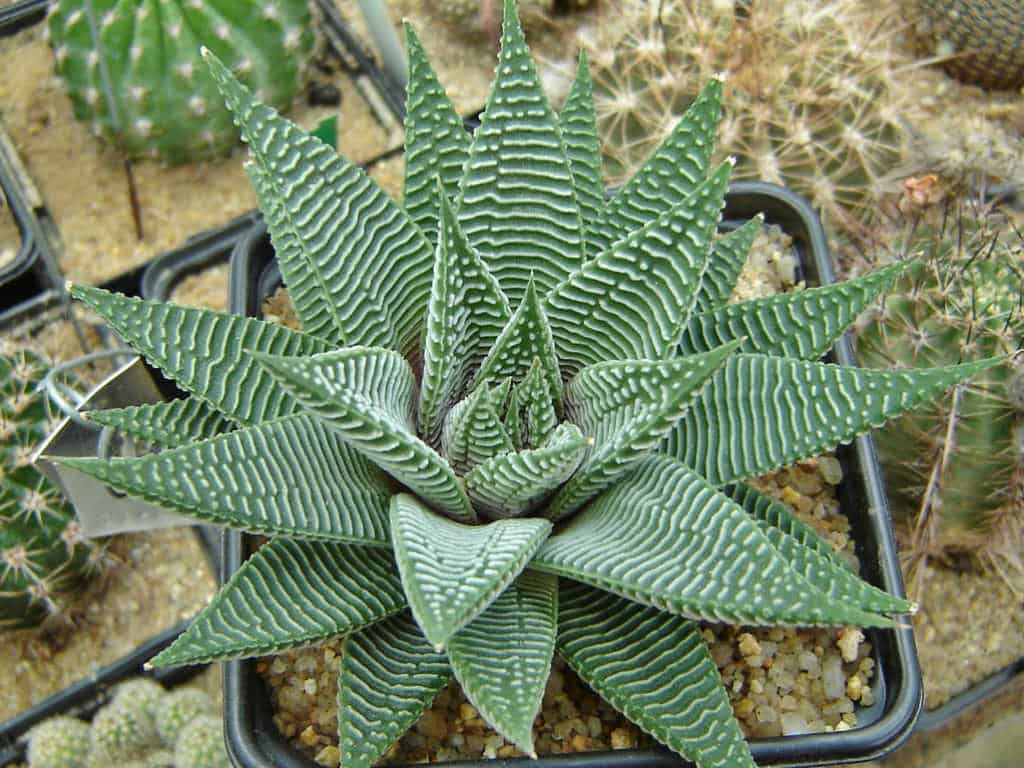
5. Haworthia Pilbeam (Haworthia limifolia var. striata ‘Pilbeam’)
This striking variety of Haworthia boasts ridged, grooved leaves with a white tint that mimics zebra striping.
It’s compact and easy to grow, making it perfect for desks and small spaces. Water every 2–3 weeks and ensure the pot drains well.
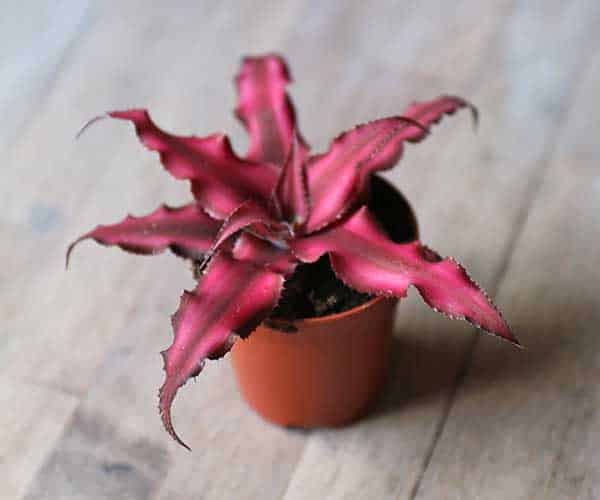
6. Earth Star (Cryptanthus zonatus)
This unique bromeliad has star-shaped foliage with dark burgundy tones and irregular white bands.
It prefers bright light to bring out intense color, and likes its soil to dry out between waterings. Great for terrariums and small pots.
7. Alocasia Zebrina (Alocasia zebrina)
The dramatic stems with their yellow and black stripes are what make this plant stand out. Its arrow-shaped leaves complete the exotic look.
Water only when the top inch of soil is dry, and keep in a warm, humid area with bright indirect light.
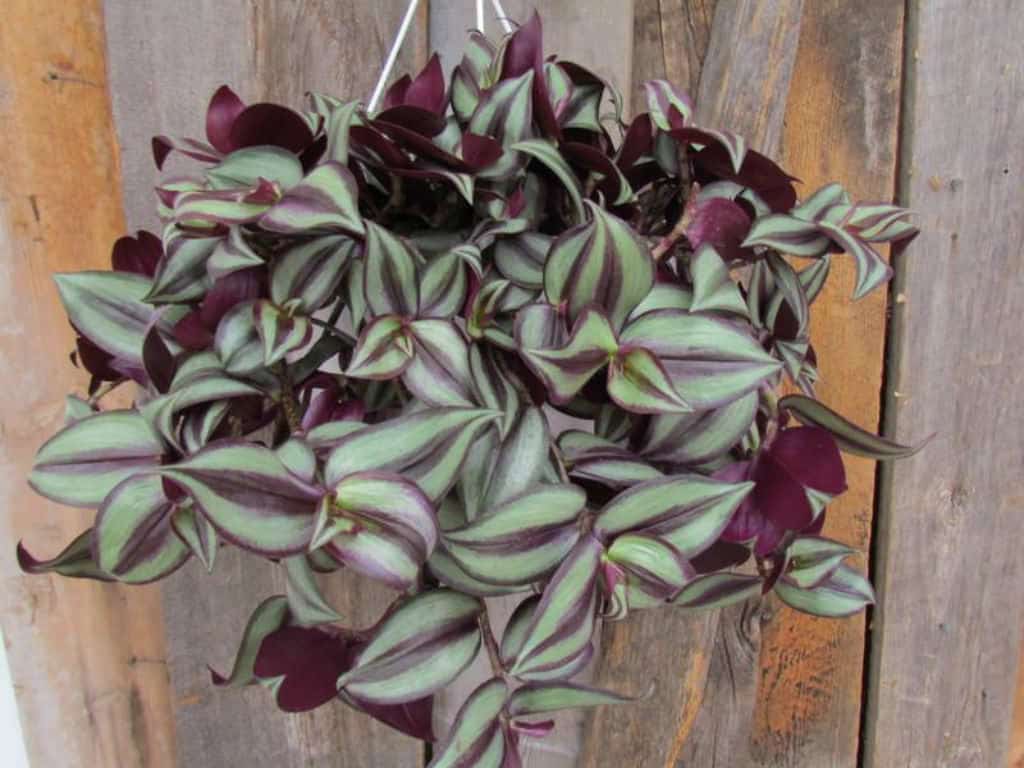
8. Calathea Pinstripe (Calathea ornata ‘Sanderiana’)
This plant dazzles with its dark green leaves and elegant pink-to-rose colored stripes. It needs high humidity and consistently moist soil.
Place it in bright, indirect light and maintain temperatures between 65–84°F (18–29°C).
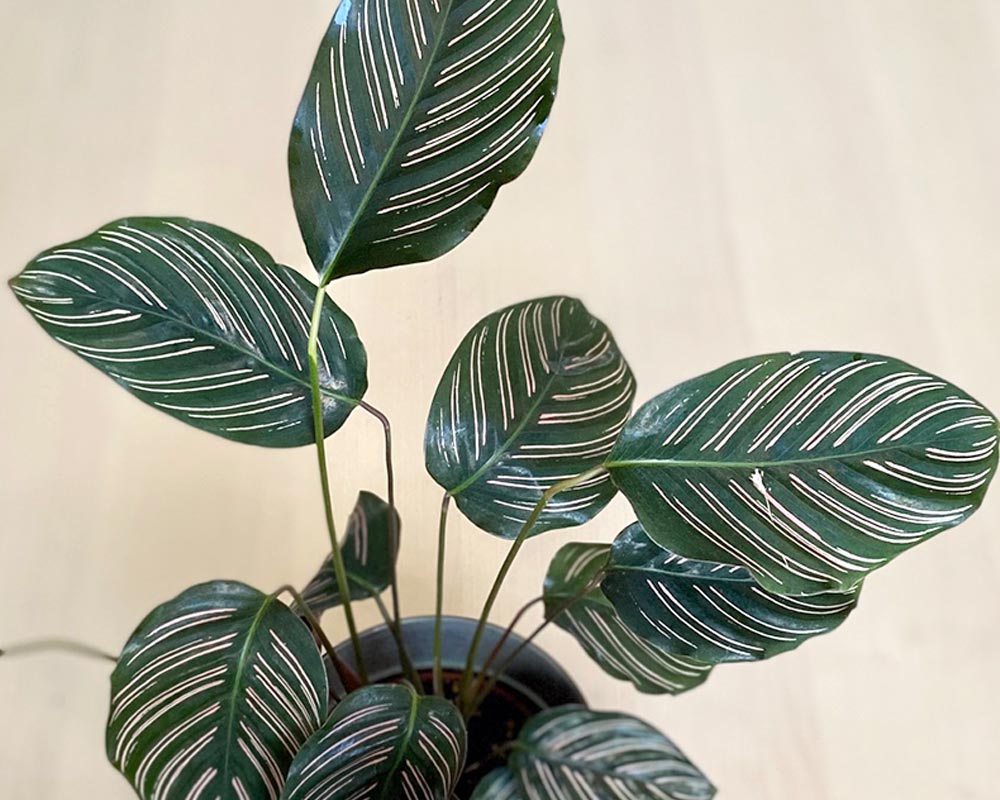
9. Variegated Snake Plant (Sansevieria trifasciata var. laurentii)
This classic indoor plant has long upright leaves with yellow margins and horizontal zebra-like striping.
It’s an excellent air purifier and ideal for beginners. Let the soil dry completely between waterings.
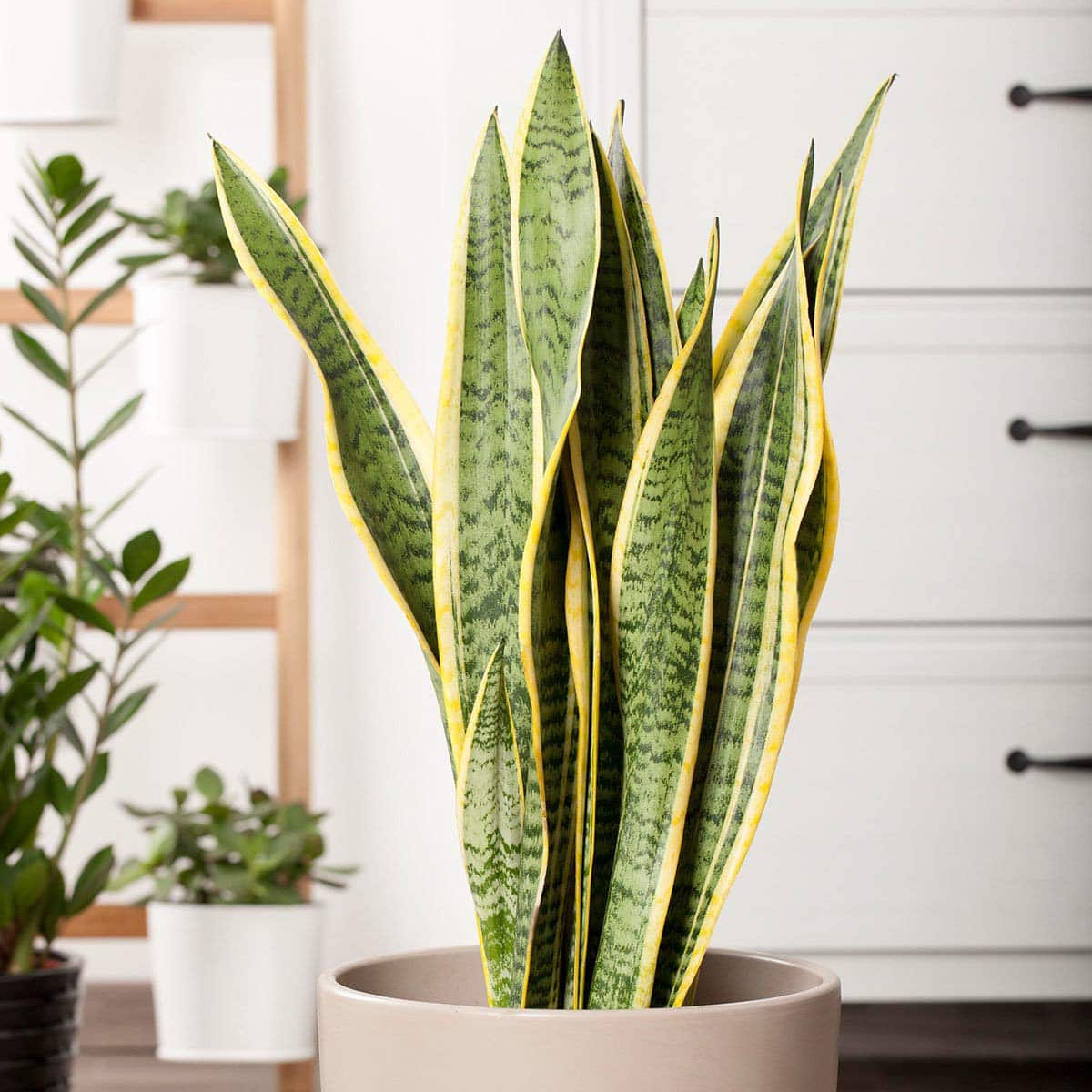
10. Small Snake Plant (Sansevieria fischeri)
A compact version of the common snake plant, this variety features intense green leaves with light green mottling.
It grows up to 12–15 inches and is ideal for tabletops. Water only when the soil is nearly bone dry.
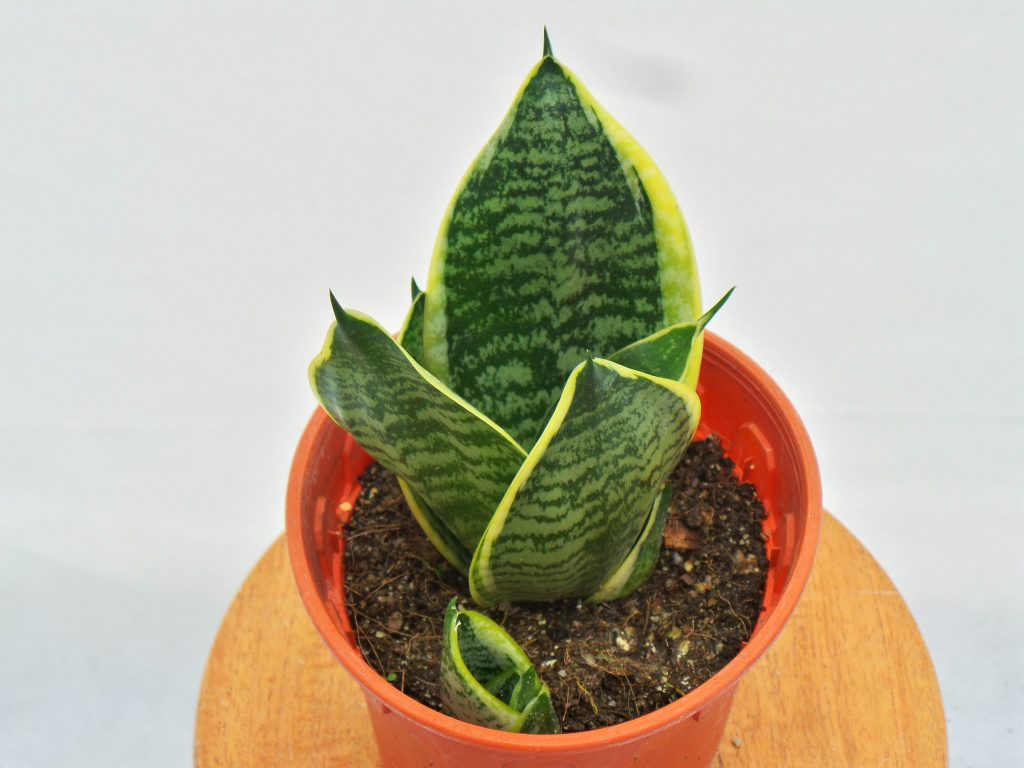
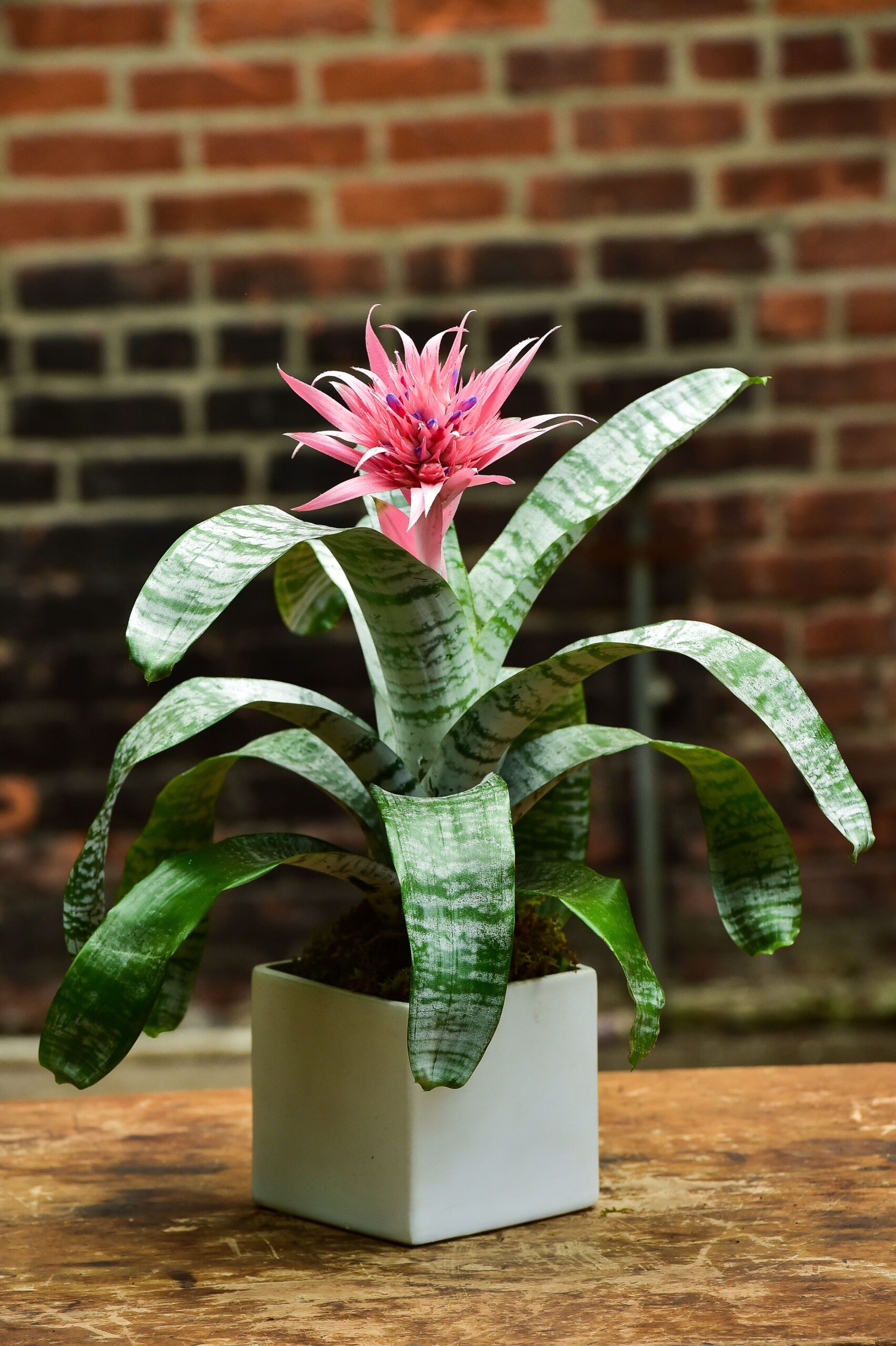
11. Silver Vase Plant (Aechmea fasciata)
This bromeliad showcases silvery, striped foliage and eventually produces a pink flower bract. It thrives in moderate humidity and indirect light.
Water only when the soil is dry and keep the central cup filled during the growing season.
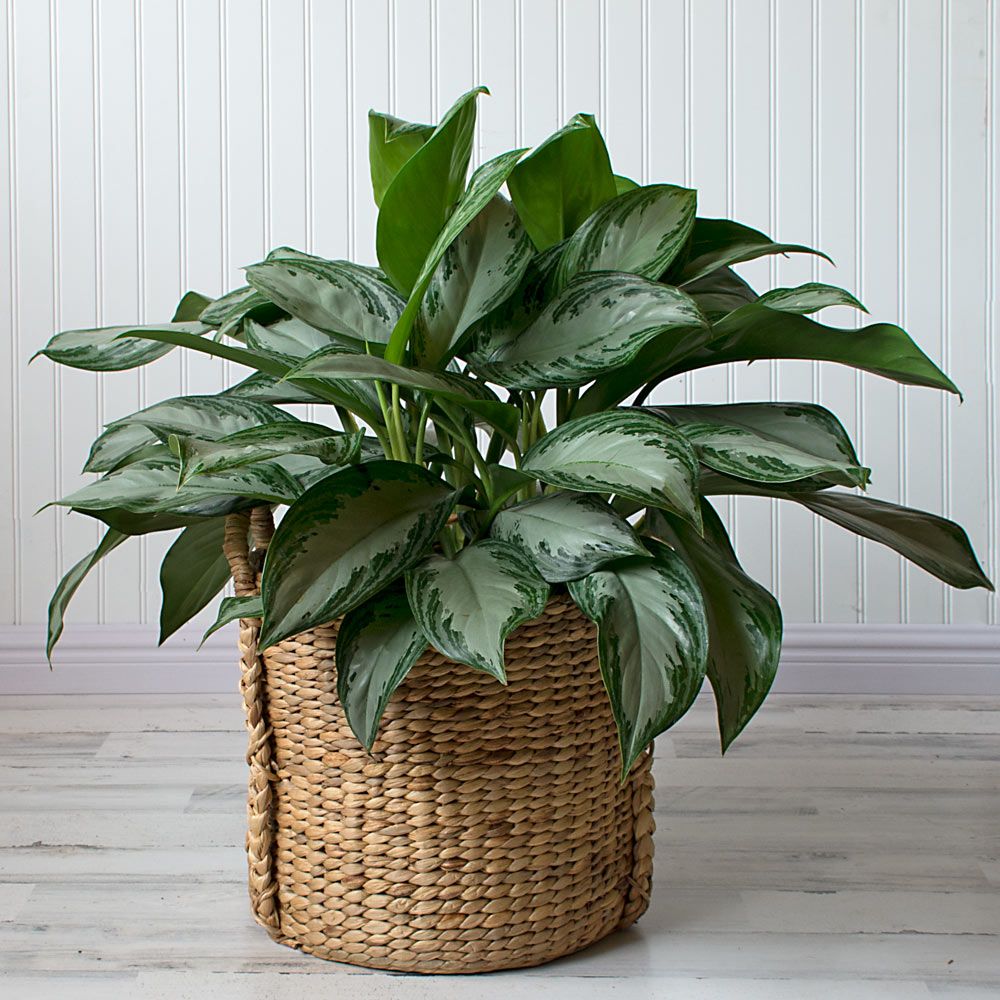
12. Chinese Evergreen (Aglaonema modestum)
A resilient, low-light plant that sports lush green foliage marked with soft white streaks.
Water when the top two inches of soil are dry. Perfect for beginners looking for visual impact without a lot of work.
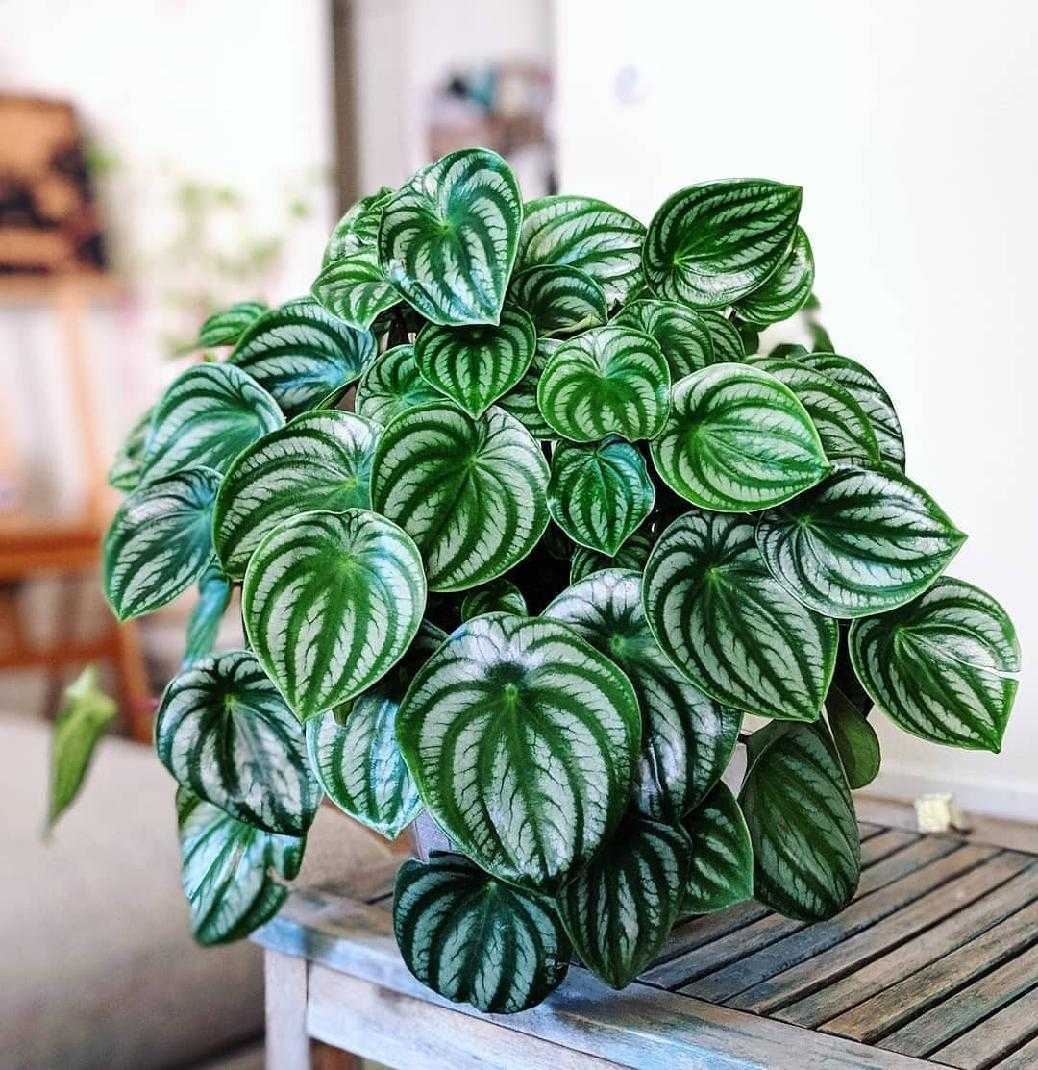
13. Watermelon Peperomia (Peperomia argyreia)
This eye-catching plant gets its name from the leaf pattern resembling watermelon rind. It’s compact, non-toxic to pets, and perfect for small containers. Water when 50–75% of the soil feels dry.
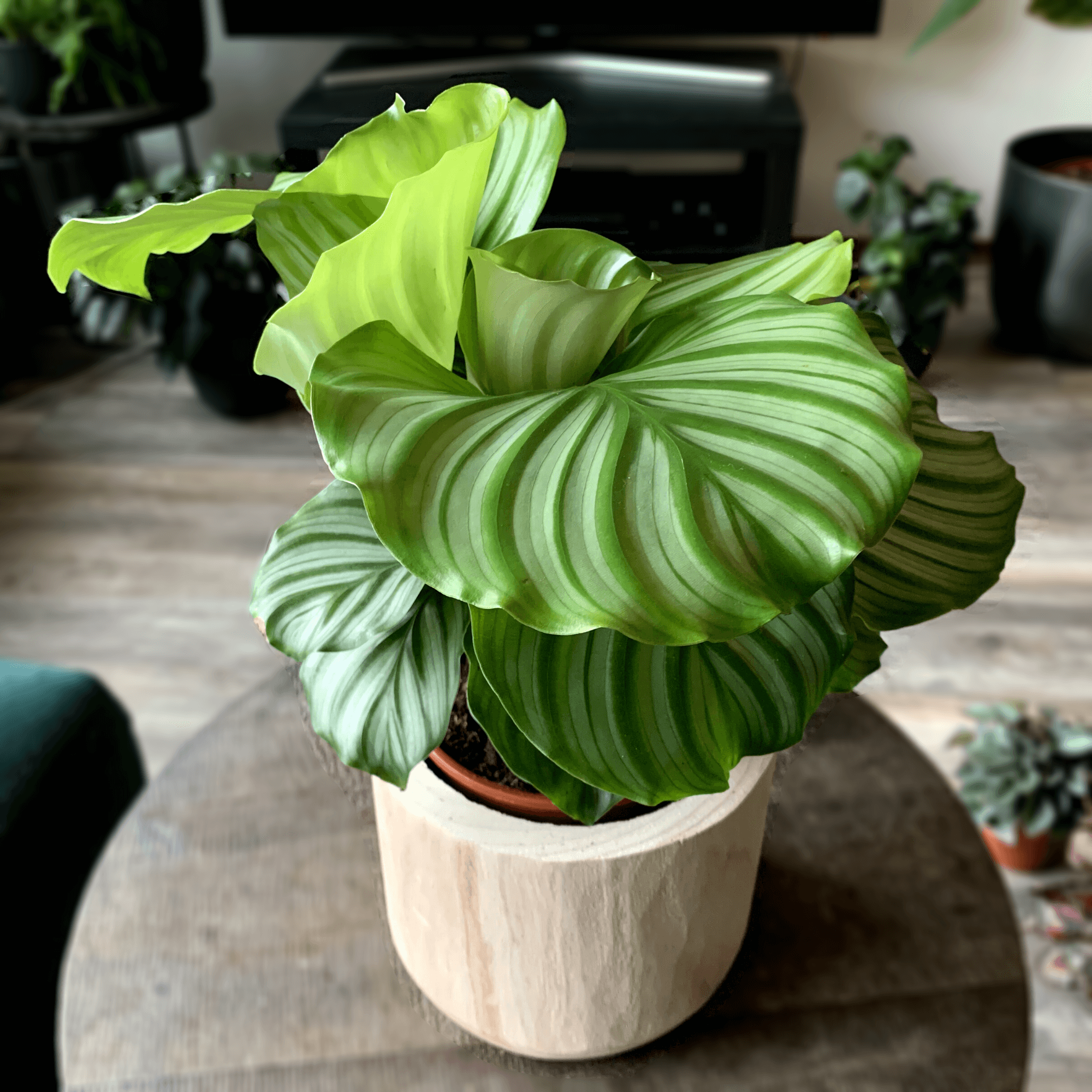
14. Calathea Orbifolia (Calathea orbifolia)
Featuring large, round leaves with silver-green zebra stripes, this plant is a statement piece in any room.
It enjoys consistent moisture, high humidity, and indirect light. Avoid direct sun to prevent leaf burn.
15. Wandering Jew (Tradescantia zebrina)
This trailing plant sports purple and silver leaves with a stunning striped pattern. It’s fast-growing, low maintenance, and thrives in hanging baskets or tabletop containers. Water only when the soil starts to dry out.

Care Tips for All Zebra Print Houseplants
- Humidity: Most zebra print plants need 60–70% humidity. Use a humidifier, pebble tray, or group plants together to raise levels.
- Watering: Avoid overwatering. Let the topsoil dry slightly before the next watering (exact requirements vary by plant).
- Light: Bright, indirect light is ideal. Direct sunlight may scorch the leaves, especially for Calatheas and Alocasias.
- Soil: Use a well-draining potting mix tailored to each plant’s preference (peat-based, succulent mix, etc.).
- Temperature: Keep indoor temps above 60°F (15°C) year-round. Sudden cold can cause stress and leaf loss.
Zebra print houseplants offer more than just striking foliage – they bring a piece of the tropics into your home and elevate your interior design.
Whether you’re aiming for bold and dramatic or subtle and elegant, there’s a zebra-patterned plant that fits your aesthetic.
With the right care – adequate humidity, warmth, and light – you can keep these tropical beauties thriving year-round.