Starting your journey into the world of indoor gardening doesn’t have to be intimidating.
In fact, with the right houseplants, even beginners can enjoy the benefits of lush greenery, cleaner air, and a vibrant, inviting home environment. The key? Choosing low-maintenance plants that are resilient, forgiving, and thrive with minimal care.
Whether you’re looking to decorate your living space or just dip your toes into plant parenting, this guide will introduce you to the 15 best houseplants for beginners—easy to grow, beautiful to look at, and great for your indoor air quality.
1. Snake Plant (Sansevieria trifasciata)
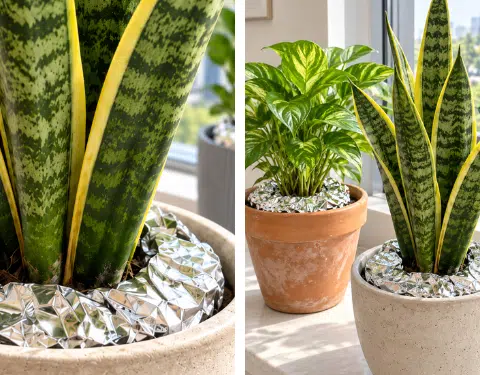
Also known as Mother-in-Law’s Tongue, this plant is almost indestructible. Snake plants tolerate neglect, low light, and infrequent watering—making them ideal for forgetful or busy beginners.
-
Light: Low to bright, indirect light
-
Water: Every 2–3 weeks
-
Benefits: Filters air toxins and emits oxygen at night
2. Spider Plant (Chlorophytum comosum)
Spider plants are incredibly easy to care for and grow quickly. Their cascading leaves and baby offshoots (called “spiderettes”) make them perfect for hanging baskets or shelves.
-
Light: Bright, indirect light
-
Water: Weekly
-
Benefits: Removes carbon monoxide, formaldehyde, and xylene from the air
3. Pothos (Epipremnum aureum)
Also called Devil’s Ivy, pothos is one of the most popular trailing plants. It thrives in a range of lighting conditions and grows fast with minimal care.
-
Light: Low to bright, indirect light
-
Water: When soil feels dry
-
Benefits: Air-purifying; easy to propagate via cuttings
4. ZZ Plant (Zamioculcas zamiifolia)
The ZZ plant is an excellent choice for beginners who want a plant that can survive in almost any indoor environment. It stores water in its thick rhizomes, so it can handle drought well.
-
Light: Low to bright, indirect light
-
Water: Every 2–3 weeks
-
Benefits: Drought-tolerant, sleek foliage for modern decor
5. Peace Lily (Spathiphyllum)
Peace lilies are not only gorgeous with their elegant white flowers but also among the best natural air purifiers. They signal when they need water by drooping—perfect for beginners!
-
Light: Low to medium, indirect light
-
Water: Weekly
-
Benefits: Cleans indoor air, promotes humidity
6. Aloe Vera (Aloe barbadensis miller)
Known for its healing gel, aloe vera is a succulent that loves sunny windows and minimal watering. Great for kitchens or bathrooms.
-
Light: Bright, direct to indirect light
-
Water: When the soil is fully dry
-
Benefits: Air-purifying; medicinal for burns and cuts
7. Chinese Evergreen (Aglaonema)
Chinese evergreens are low-light champions. With their colorful leaves and easygoing nature, they’re perfect for adding a tropical touch to any room.
-
Light: Low to medium light
-
Water: Every 1–2 weeks
-
Benefits: Excellent air cleaner, thrives on neglect
8. Rubber Plant (Ficus elastica)
Rubber plants are striking with their large, glossy leaves. They’re fairly easy to care for and do well in most indoor environments.
-
Light: Bright, indirect light
-
Water: When the topsoil dries out
-
Benefits: Removes indoor pollutants like formaldehyde
9. Dracaena Marginata (Dragon Tree)
Dracaenas are visually stunning and require very little care. They grow tall, making them ideal for corners or large indoor spaces.
-
Light: Moderate to bright, indirect light
-
Water: Every 10–14 days
-
Benefits: Improves air quality; minimal pest issues
10. Jade Plant (Crassula ovata)
The jade plant is a classic succulent with thick, glossy leaves. It thrives with very little water and adds a charming, bonsai-like vibe to your space.
-
Light: Bright, indirect to direct light
-
Water: When soil is dry
-
Benefits: Symbol of luck and prosperity in Feng Shui
11. Philodendron (Philodendron hederaceum)
Philodendrons are very adaptable and grow well in different lighting conditions. Their heart-shaped leaves make them an attractive, beginner-friendly plant.
-
Light: Low to bright, indirect light
-
Water: When top inch of soil is dry
-
Benefits: Easy to propagate and purifies indoor air
12. Cast Iron Plant (Aspidistra elatior)
True to its name, the Cast Iron Plant is nearly indestructible. It tolerates neglect, poor lighting, and inconsistent watering—ideal for new plant owners.
-
Light: Low light
-
Water: Every 2 weeks or when dry
-
Benefits: Extremely durable and long-lasting
13. English Ivy (Hedera helix)
English Ivy adds classic charm to any indoor space with its trailing vines. While it likes humidity, it’s generally easy to grow and a fantastic air purifier.
-
Light: Bright, indirect light
-
Water: Keep soil moist but not soggy
-
Benefits: Removes mold and airborne toxins
14. Hoya (Hoya carnosa)
Also known as wax plant, the hoya has thick, waxy leaves and produces beautiful, fragrant blooms. It’s very low maintenance and loves to trail or climb.
-
Light: Bright, indirect light
-
Water: Let soil dry out between waterings
-
Benefits: Minimal care; beautiful star-shaped flowers
15. Parlor Palm (Chamaedorea elegans)
If you want to add a touch of elegance to your home, the Parlor Palm is perfect. It’s compact, tolerant of low light, and helps increase indoor humidity.
-
Light: Low to medium light
-
Water: Keep soil lightly moist
-
Benefits: Improves air quality; pet-friendly
Bonus Tips for Beginner Plant Parents
-
Start small: Begin with 1–3 easy-care plants to learn your rhythm.
-
Use pots with drainage holes: Prevents overwatering and root rot.
-
Stick to a schedule: Water on the same day each week and adjust based on the plant’s needs.
-
Group plants with similar care needs: Makes your routine simpler and more efficient.
-
Observe your plants: If leaves droop, turn yellow, or look pale, it’s often a sign of over or underwatering.
Becoming a successful plant parent doesn’t require a green thumb—it just takes the right plants and a little bit of patience.
These 15 beginner-friendly houseplants are forgiving, adaptable, and rewarding to grow, making them the perfect companions for your indoor gardening journey.
Whether you’re looking to add life to a dark corner, purify your air, or simply enjoy the beauty of nature indoors, there’s a plant on this list for every space and skill level.
Start with one, get to know its needs, and soon you’ll find your home transformed into a thriving, tranquil, and green oasis.