A balcony garden is more than just a hobby – it’s a personal escape, a micro-retreat where you can unwind, sip your morning coffee, and reconnect with nature.
But for many urban gardeners, the challenge is real: harsh winds, fluctuating temperatures, and limited sunlight can make it hard to grow most plants successfully on a balcony.
Fortunately, not all plants demand perfect conditions. With the right selection, you can grow a lush, thriving balcony garden – no matter how big or small your space is.
Below, we’ll walk you through 10 low-maintenance, colorful, and resilient plants that thrive on balconies and bring instant life and beauty to your outdoor space.
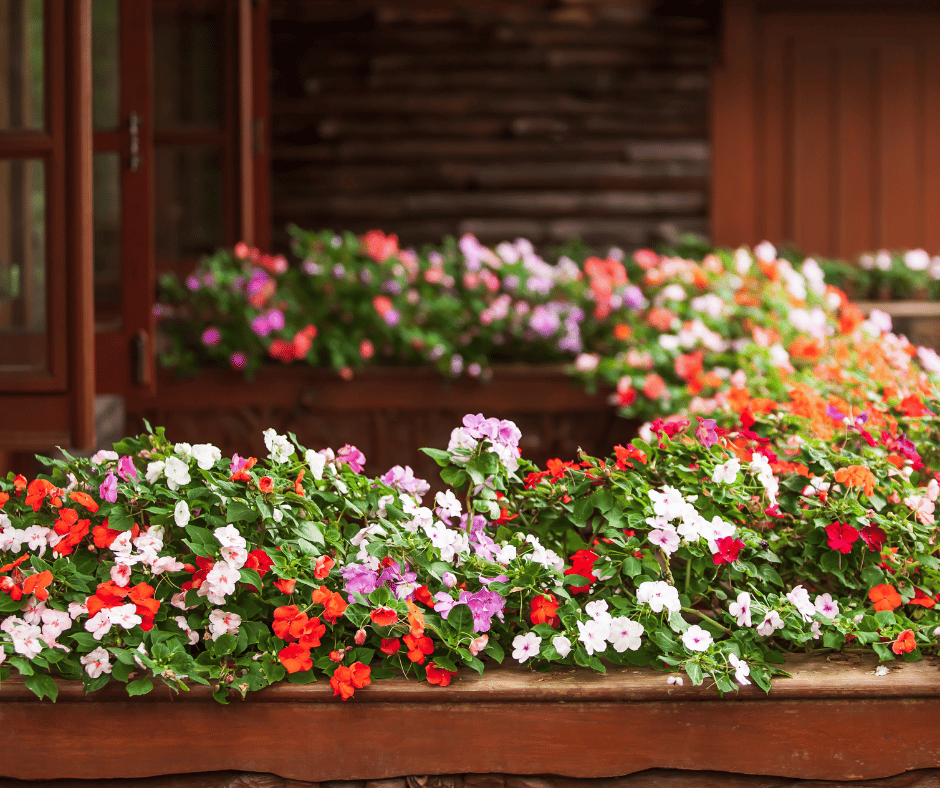
1. Impatiens (Impatiens walleriana)
Best for: Shady or partially shaded balconies
If your balcony gets more shade than sun, impatiens are your go-to bloomers. These vibrant, fast-growing annuals thrive in partial to full shade and explode with color from late spring through fall.
Their compact size makes them ideal for railing boxes, containers, or hanging baskets.
- Colors: Red, pink, purple, white, orange
- Zones: 2–11 (annual in colder zones)
- Care Tips: Water daily in hot weather; don’t let soil dry out completely
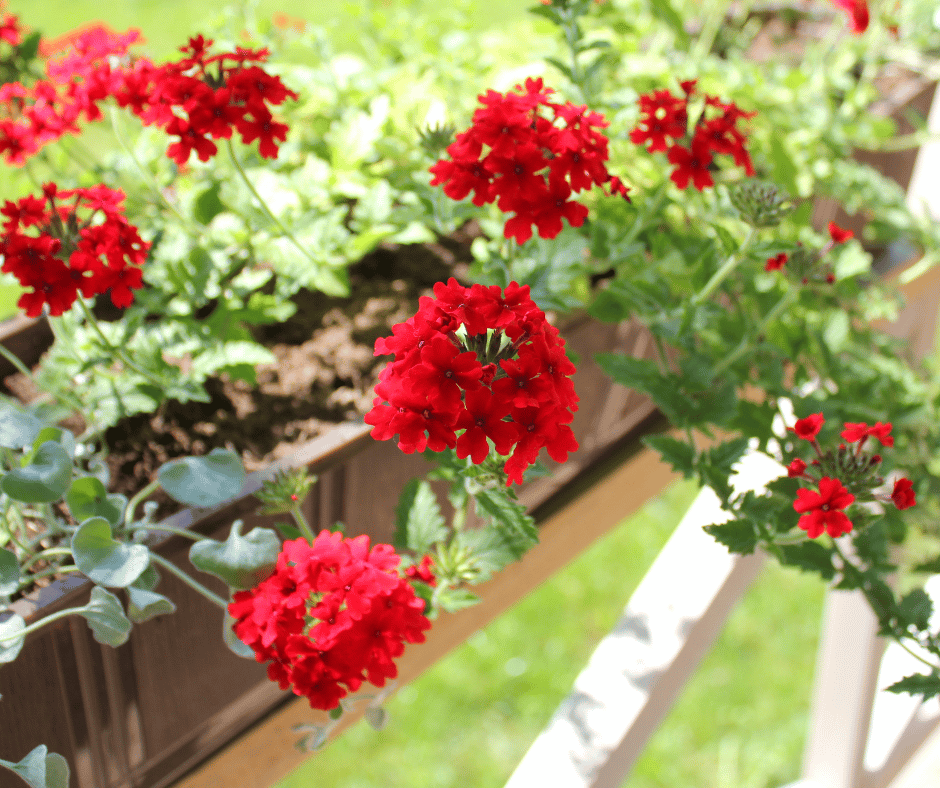
2. Verbena
Best for: Sunny balconies with minimal maintenance
Verbenas are a sun-loving flowering plant perfect for balconies with all-day exposure. Known for their long blooming period, verbenas trail beautifully over containers or climb up vertical trellises when trained.
They attract pollinators and come in a stunning array of colors.
- Colors: Purple, pink, white, red
- Zones: 6–10
- Care Tips: Water moderately; deadhead for continuous blooms
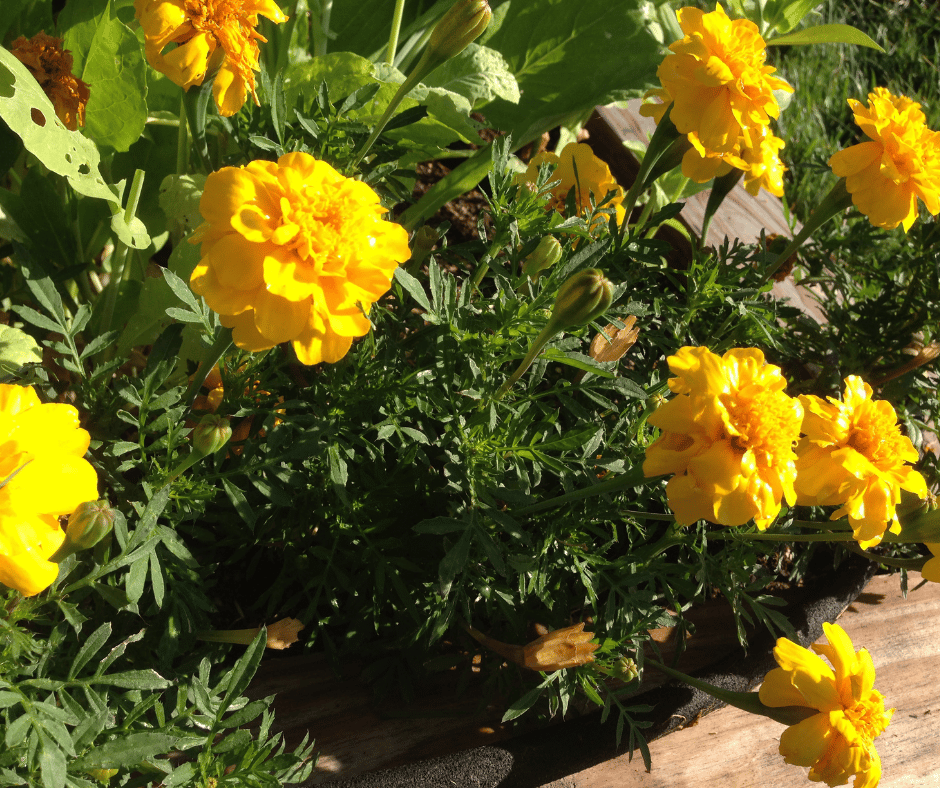
3. Marigolds (Tagetes spp.)
Best for: Hot, full-sun balconies
Tough, cheerful, and pest-repelling – marigolds are a classic for balcony gardens. These bright flowers tolerate intense heat and poor soil, making them ideal for urban balconies that get scorched by the sun.
Bonus: They repel mosquitoes and other harmful pests.
- Colors: Golden yellow, orange, red
- Zones: 2–11 (grown as annuals in most areas)
- Care Tips: Deadhead spent flowers; don’t overwater
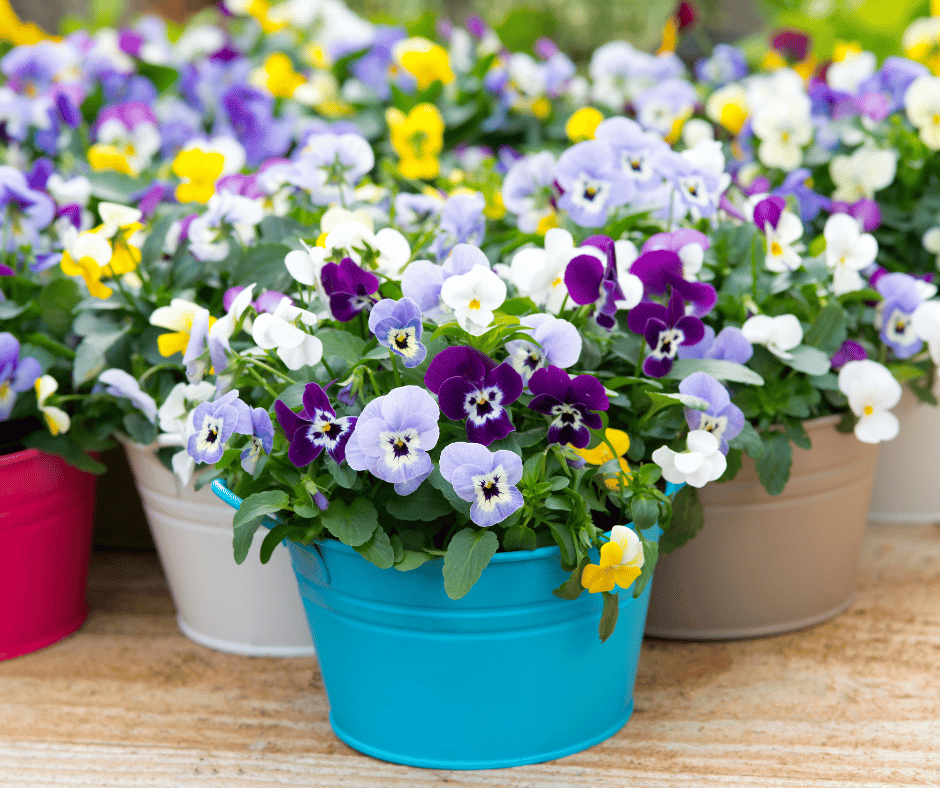
4. Pansies (Viola × wittrockiana)
Best for: Cooler spring or fall balcony gardens
Pansies bring charm and fragrance to any space. These cool-season flowers are best grown in early spring or fall, especially in balconies that offer partial shade and moderate temperatures.
Their bold, multi-colored petals are a delight up close.
- Colors: Blue, purple, yellow, white, multicolored
- Zones: 4–9
- Care Tips: Keep soil evenly moist; give afternoon shade in warmer zones
5. Petunias (Petunia × hybrida)
Best for: Sunny balconies with lots of vertical or hanging space
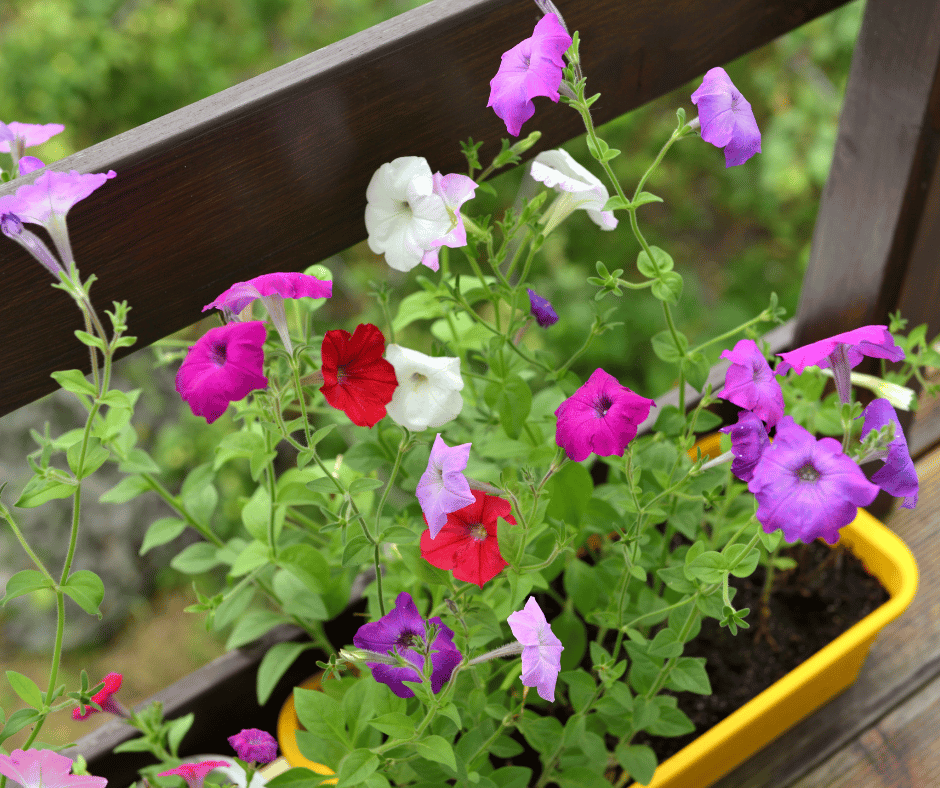
Few flowers bring as much instant color and volume as petunias. These fragrant annuals thrive in full sun and produce trumpet-shaped flowers in dozens of colors. They’re perfect for hanging baskets, window boxes, or railing planters.
- Colors: White, pink, purple, red, yellow
- Zones: 9–11 (grown as annuals in cooler zones)
- Care Tips: Water when the top inch of soil feels dry; deadhead regularly
6. Morning Glory (Ipomoea purpurea)
Best for: Creating privacy with vertical growth
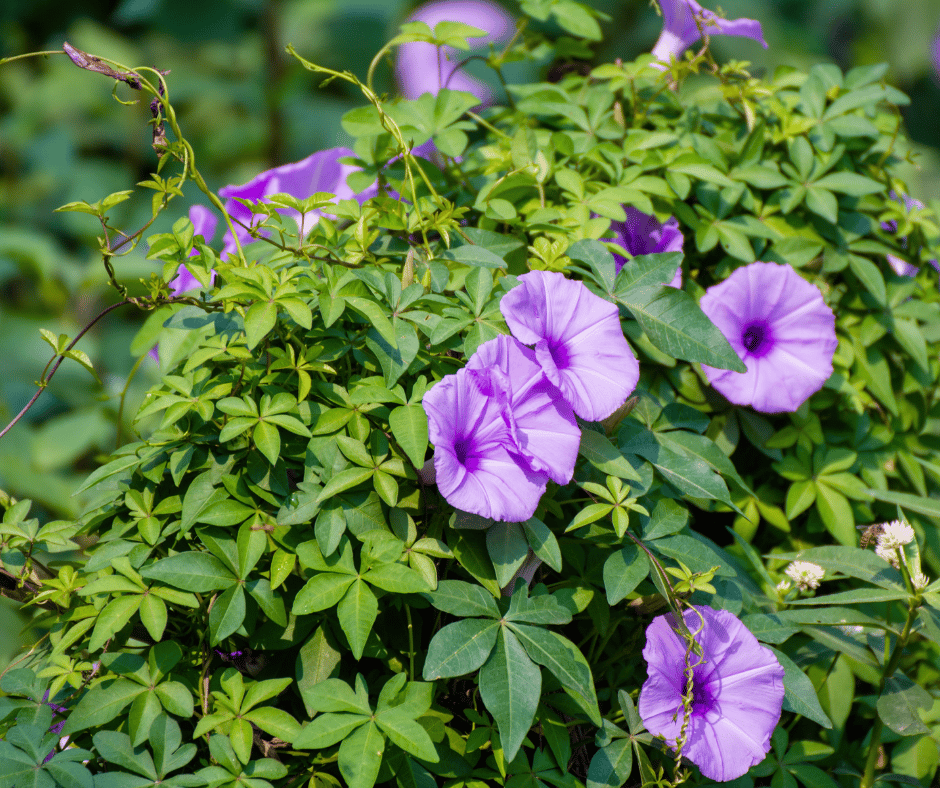
Want a bit of privacy on your balcony? Morning glories can climb up trellises, railings, or even a string lattice, forming a colorful curtain of trumpet-shaped blooms. These vigorous vines need full sun and plenty of vertical space.
- Colors: Blue, purple, pink, white
- Zones: 3–10
- Care Tips: Soak seeds before planting; give something to climb
7. Pelargoniums (Zonal Geraniums)
Best for: All-day sun and pops of bold color
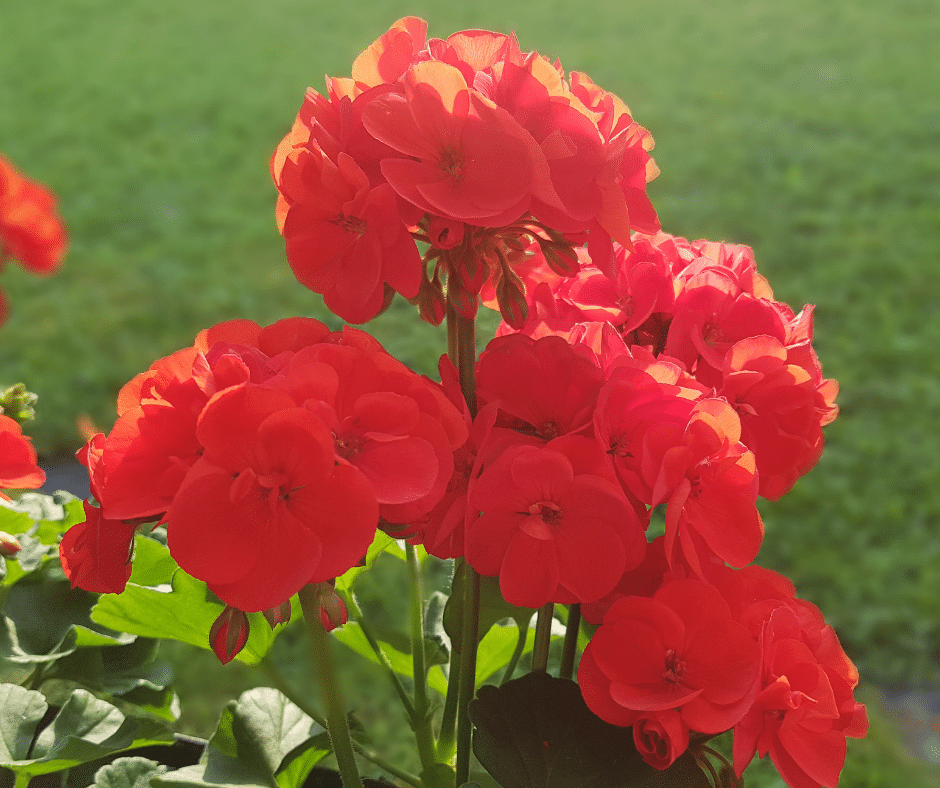
Often confused with true geraniums, pelargoniums are one of the best flowering plants for sun-drenched balconies.
They’re extremely drought-tolerant and bloom nonstop with minimal care. These are especially popular in Mediterranean climates but thrive in pots everywhere.
- Colors: Red, white, salmon, pink, lavender
- Zones: 9–12 (grown as annuals in cooler zones)
- Care Tips: Allow soil to dry slightly between waterings; pinch to encourage bushiness
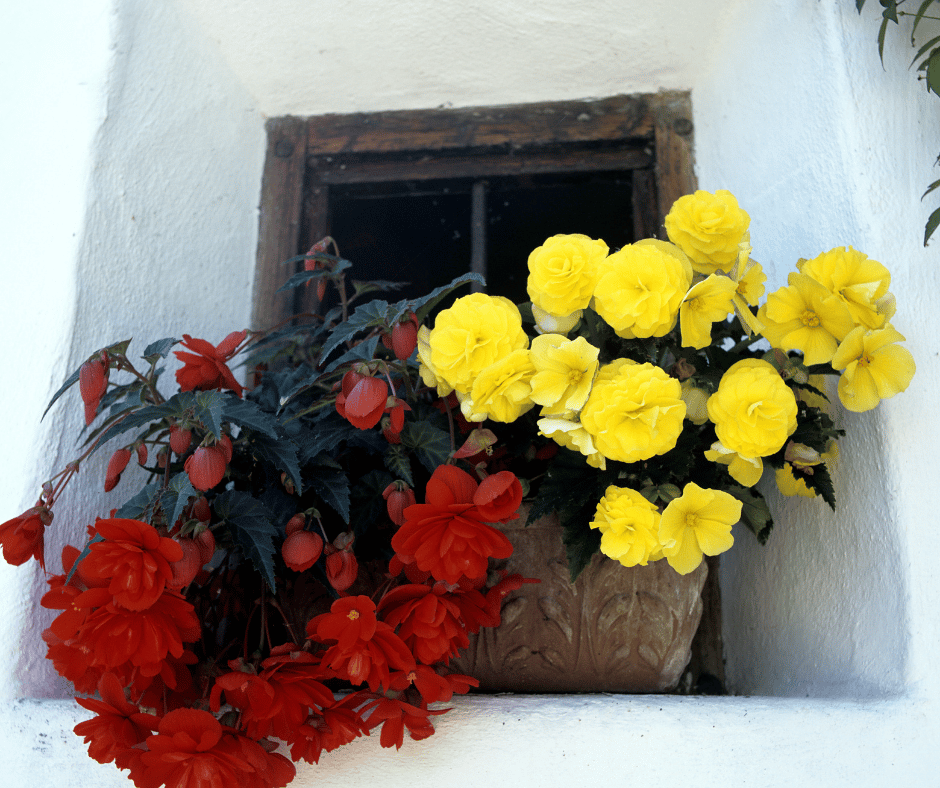
8. Begonias
Best for: Partial sun to full shade balconies
Begonias are known for their lush foliage and vivid blooms. They’re adaptable and thrive in both containers and hanging baskets.
Their ability to tolerate lower light makes them ideal for balconies that don’t get intense sunlight.
- Colors: Orange, pink, red, white
- Zones: 3–11
- Care Tips: Keep the soil moist but well-drained; bring indoors before frost
9. Ivy Geranium (Pelargonium peltatum)
Best for: Cascading color and drought tolerance
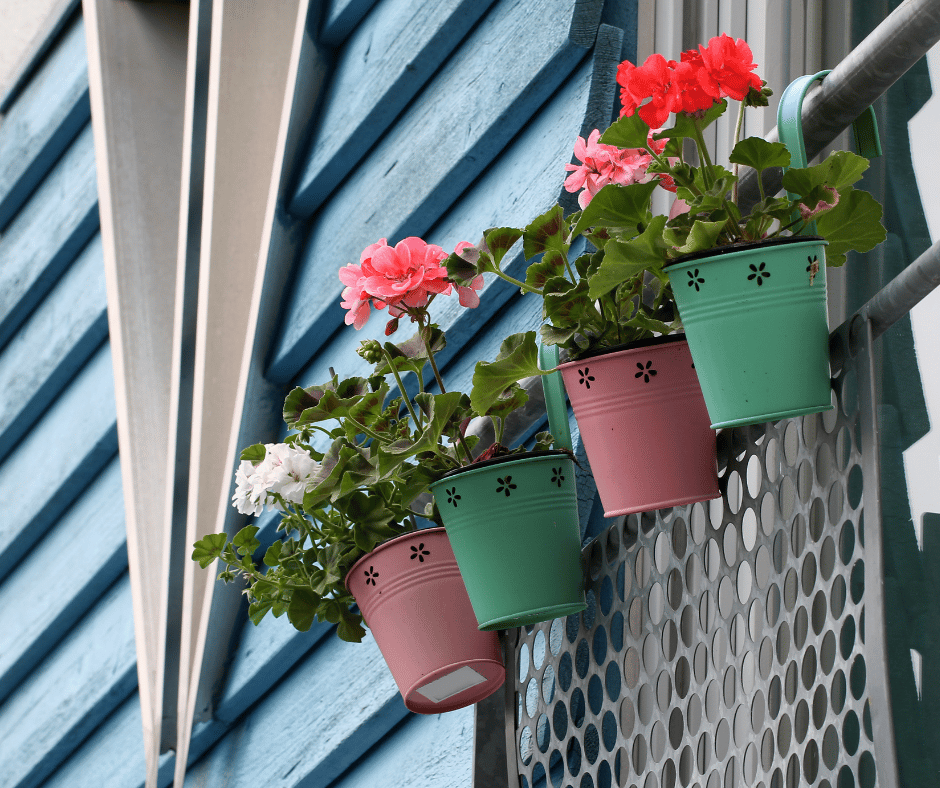
If you’re looking for a trailing plant that softens balcony railings or spills over hanging baskets, ivy geraniums are ideal.
Unlike upright pelargoniums, this variety grows in elegant, cascading streams of leaves and flowers.
- Colors: Pink, red, purple, white
- Zones: 10–11 (or grown as an annual)
- Care Tips: Needs less water than typical geraniums; prune occasionally to maintain shape
10. Chrysanthemums (Mums)
Best for: Fall blooms and vibrant color
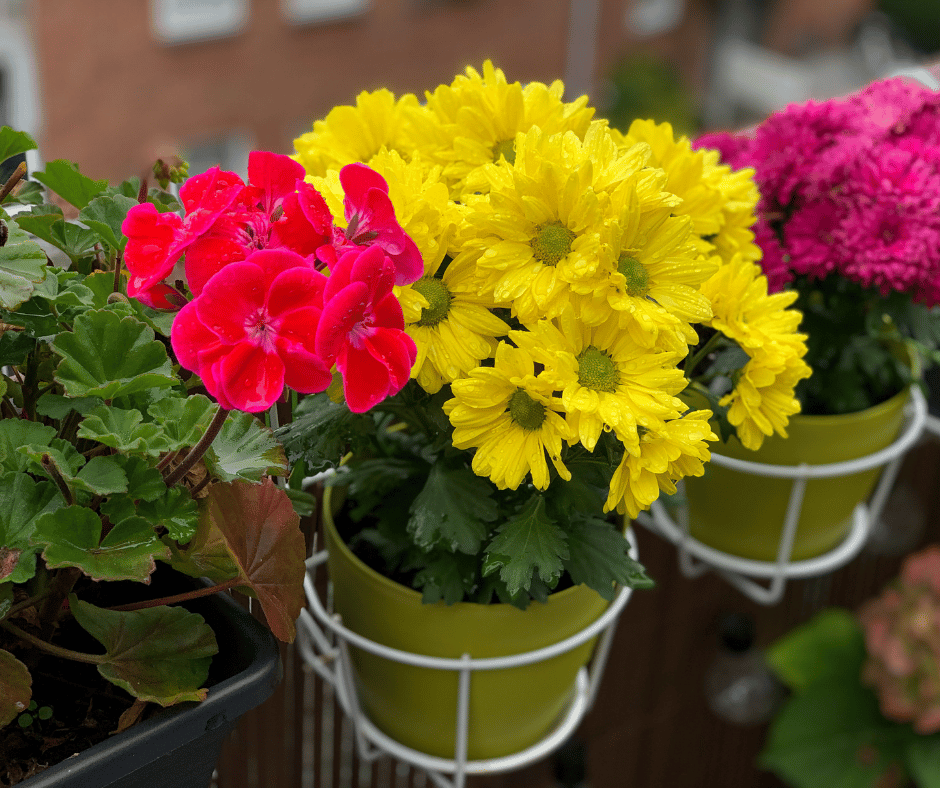
Mums bring rich fall color to balconies just as other summer flowers begin to fade.
Perfect for planters and pots, chrysanthemums thrive in full sun and reward you with dense mounds of bright blossoms from late summer through autumn.
- Colors: Yellow, red, orange, purple, white
- Zones: 5–9
- Care Tips: Water regularly but avoid waterlogging; remove faded blooms to extend the flowering season
Bonus Tips for Balcony Gardening Success
- Use Lightweight Pots: Choose containers that are easy to move and have proper drainage holes.
- Maximize Vertical Space: Wall planters, railing boxes, and hanging baskets let you grow more in less floor area.
- Check Wind Exposure: High balconies can be windy; use heavier pots or wind barriers to protect fragile plants.
- Water Wisely: Balcony gardens dry out faster than ground beds. Water in the morning, and group thirsty plants together.
- Feed Monthly: Since potted plants leach nutrients faster, add a slow-release fertilizer or compost tea every 3–4 weeks.
You don’t need a backyard to enjoy a thriving garden. With the right plant choices and a bit of care, your balcony can become a fragrant, colorful paradise – even in the heart of the city.
Whether you’re growing flowers for beauty or herbs for cooking, there’s always something rewarding about watching your balcony transform from a blank slate into a vibrant oasis.