

Just because the weather turns cold doesn’t mean your garden has to lose its color. In fact, winter is a wonderful opportunity to discover a different side of nature’s beauty.
Many flowers not only survive but thrive in cold conditions, offering bursts of color and life when most plants have gone dormant.
If you love gardening and don’t want to put away your tools when the temperature drops, you’re in luck.
There are plenty of flowers that bloom in winter, adding charm and vibrancy to your outdoor space even during the coldest months.
Here are 15 beautiful winter-blooming plants that can turn your garden into a lively, colorful retreat all season long.
1. Heather
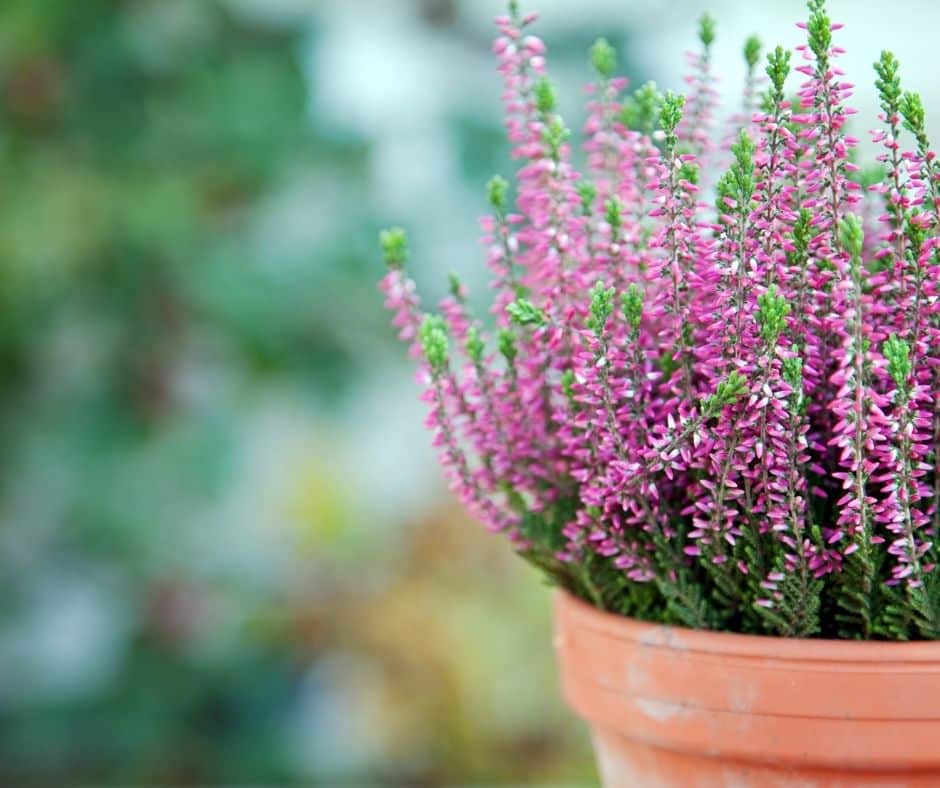
Heather is a resilient, low-growing shrub that brings a touch of cheer to winter gardens. Its delicate blooms come in shades of purple, pink, and white, providing soft color when much of the landscape is bare.
Heather is highly adaptable, thriving both in the ground and in containers. It’s perfect for borders, rock gardens, or as a ground cover and requires minimal care once established.
Plant heather in well-drained soil and give it plenty of sunlight for the best results.
2. Snowdrop
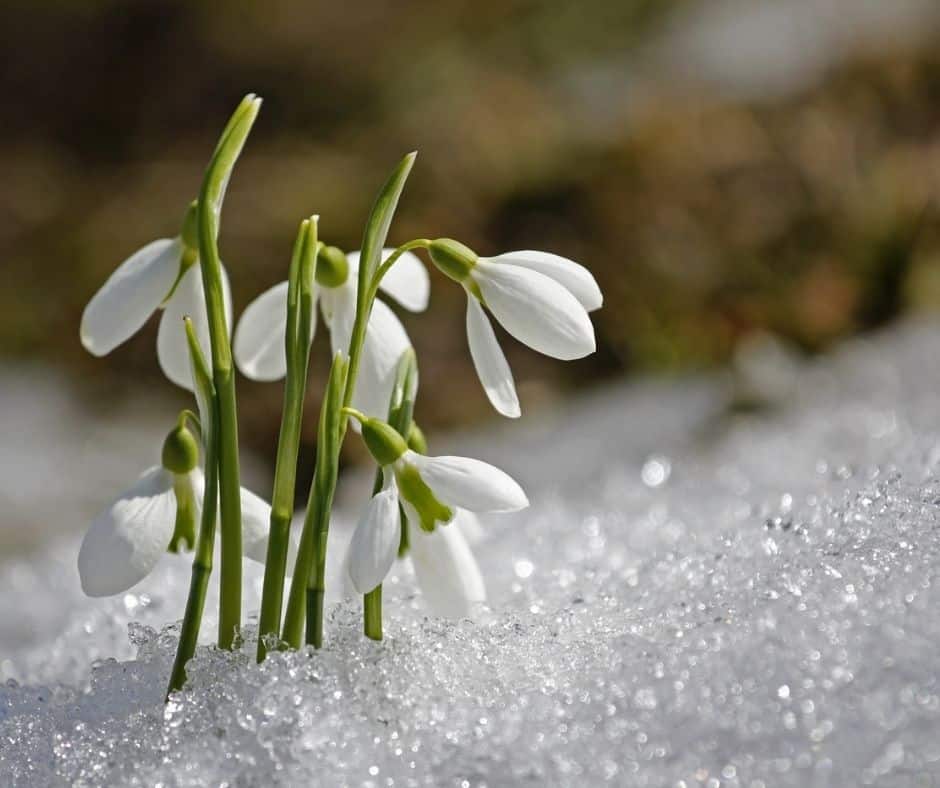
Snowdrops are one of the earliest signs that winter is nearing its end. Their delicate, nodding white flowers often push through frozen soil or patches of snow, creating a magical effect.
These bulbs need to be planted in the fall to bloom in late winter or early spring. They prefer cooler climates and will naturalize beautifully over time, returning each year in greater numbers if left undisturbed.
3. Calendula
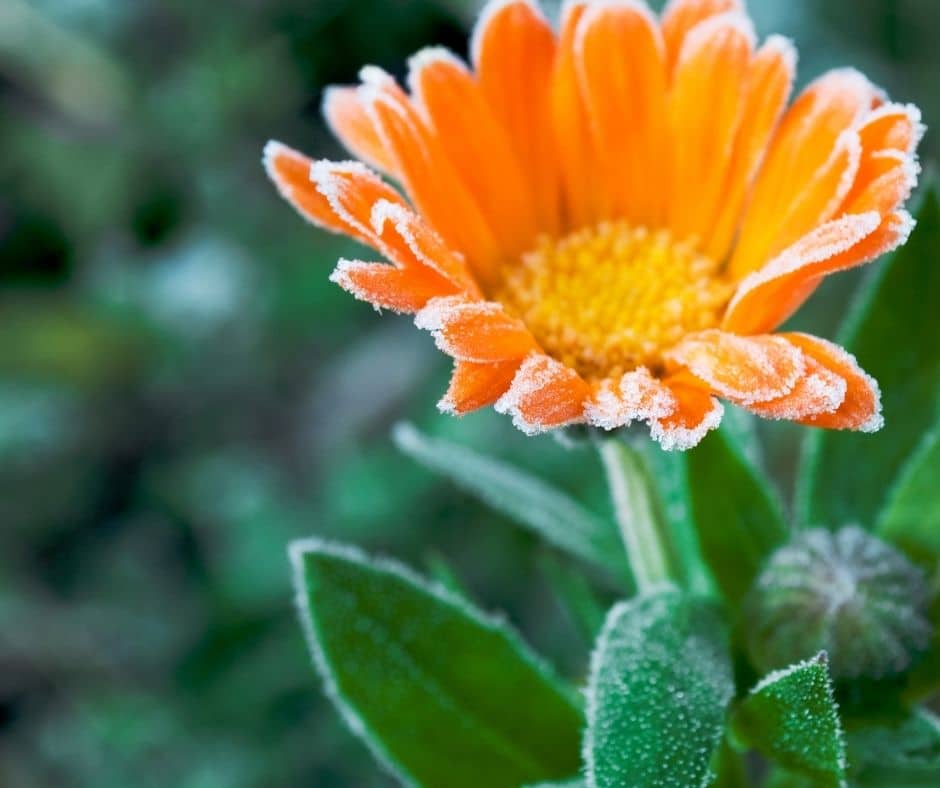
Calendulas, often called “pot marigolds,” are beloved for their cheerful orange and yellow blooms. Although often grown in spring, calendulas can handle mild winter temperatures and keep flowering even in cooler weather.
With their daisy-like petals and sunny disposition, calendulas are excellent for brightening up dull winter gardens.
They thrive in full sun and prefer well-drained soil. Regular deadheading will keep them blooming longer into the cold season.
4. Bachelor’s Buttons
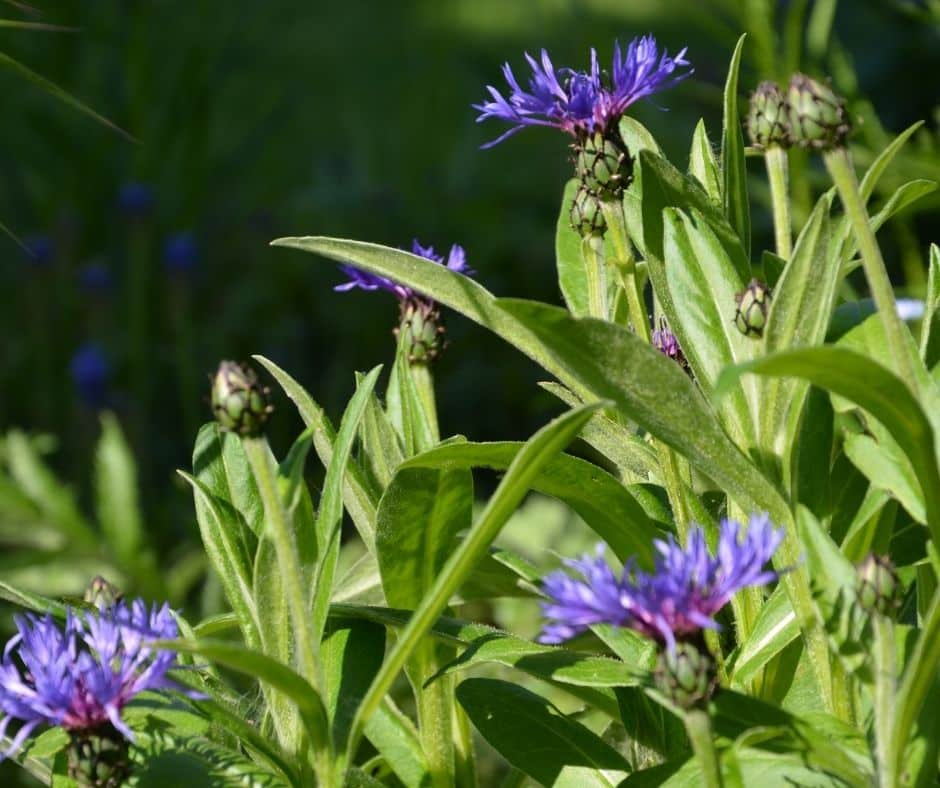
Bachelor’s Buttons, also known as cornflowers, offer charming blue blooms with a ruffled, textured appearance that adds softness to a winter garden.
They are hardy annuals capable of withstanding frost, and their nectar-rich flowers are fantastic for attracting bees and other pollinators even in cooler months. Bachelor’s Buttons prefer full sun and grow best in well-drained soil.
5. Nemesia
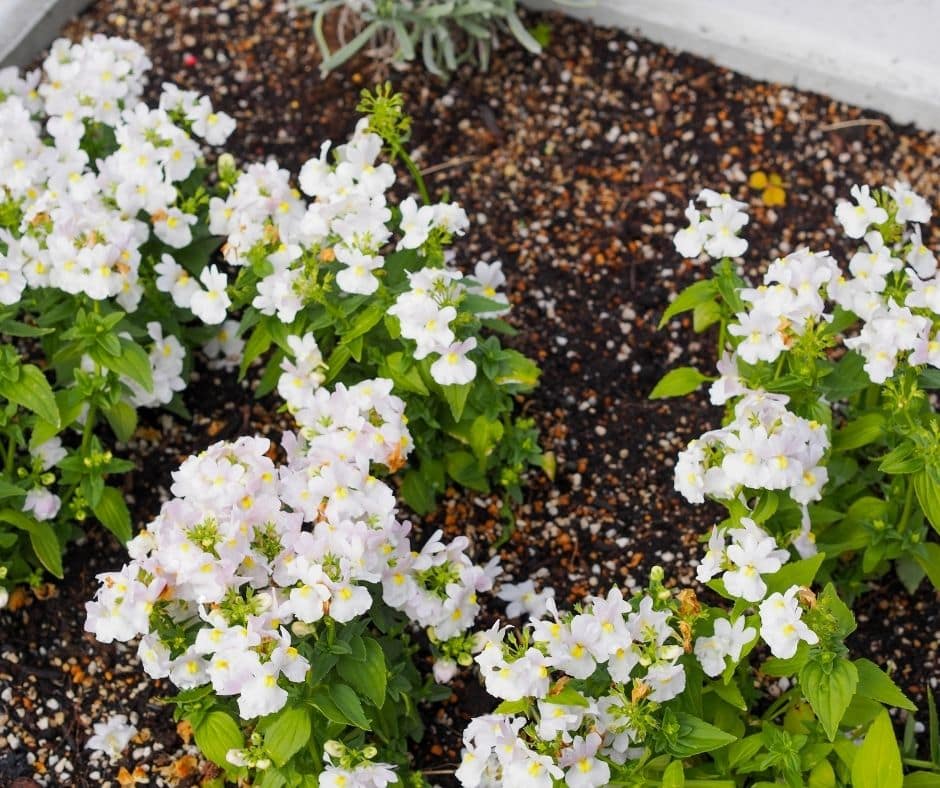
Nemesia adds vibrant splashes of color to winter gardens with its bright red, blue, purple, and white flowers.
Compact and bushy, this plant grows about 12 to 18 inches tall and is ideal for borders, window boxes, and containers.
Nemesia loves cool weather and blooms prolifically with minimal effort if planted in moist, well-drained soil and positioned in a spot with plenty of light.
6. Cyclamen
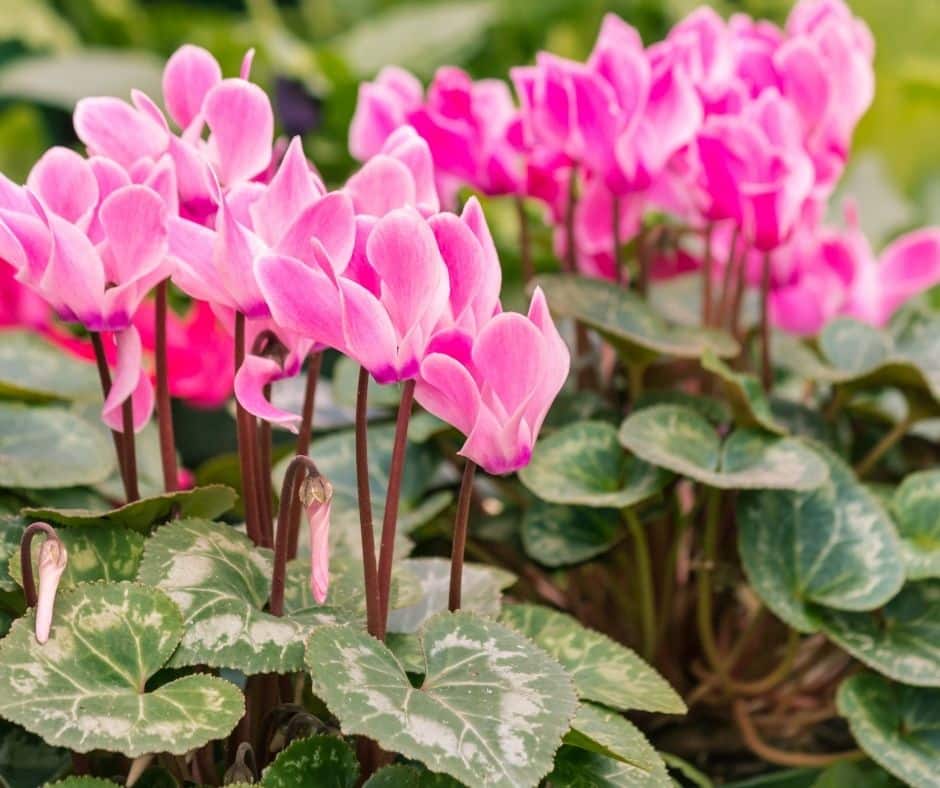
Cyclamen is a true winter star, prized for its upswept, butterfly-like blooms in shades of pink, white, and red.
The heart-shaped leaves, often patterned with silver, add extra ornamental appeal.
This plant is perfect for shady areas and can brighten patios, garden beds, or indoor spaces. Cyclamen prefers cooler temperatures and well-draining soil, flourishing during the cold months when most other flowers retreat.
7. Dusty Miller
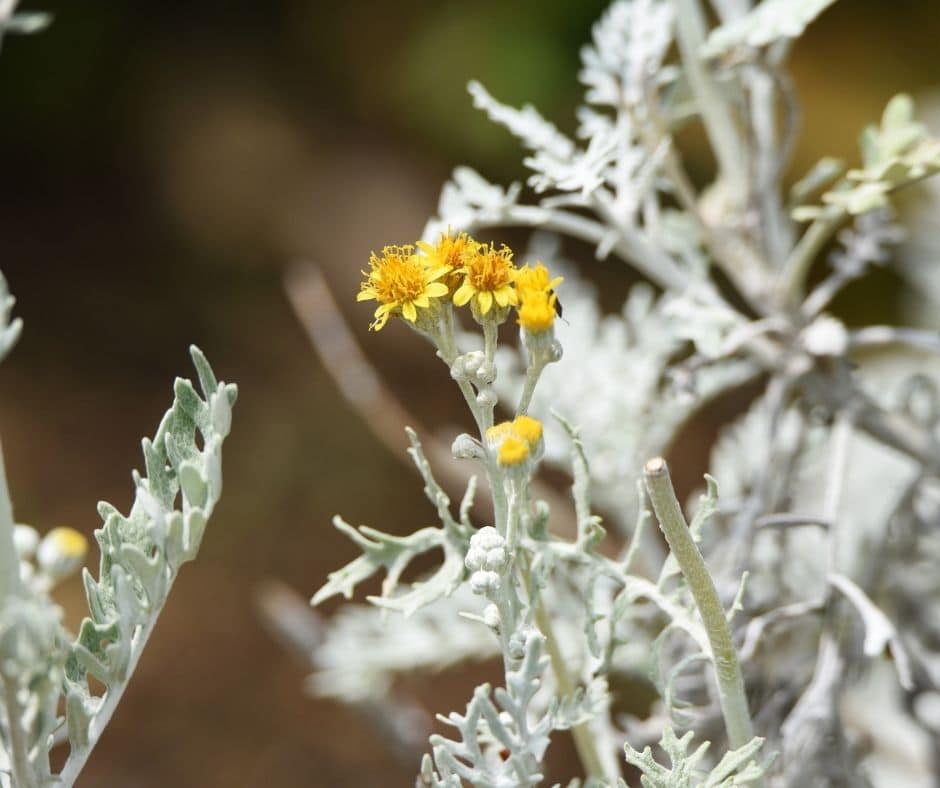
Dusty Miller is often grown for its striking, silver-gray foliage rather than its blooms, but its tiny yellow flowers can add subtle beauty in late winter.
The silvery leaves contrast beautifully with brighter flowers, making them an excellent background or filler plant in beds and borders.
Dusty Miller is drought-tolerant and thrives in full sun, needing little care once established.
8. Snapdragon
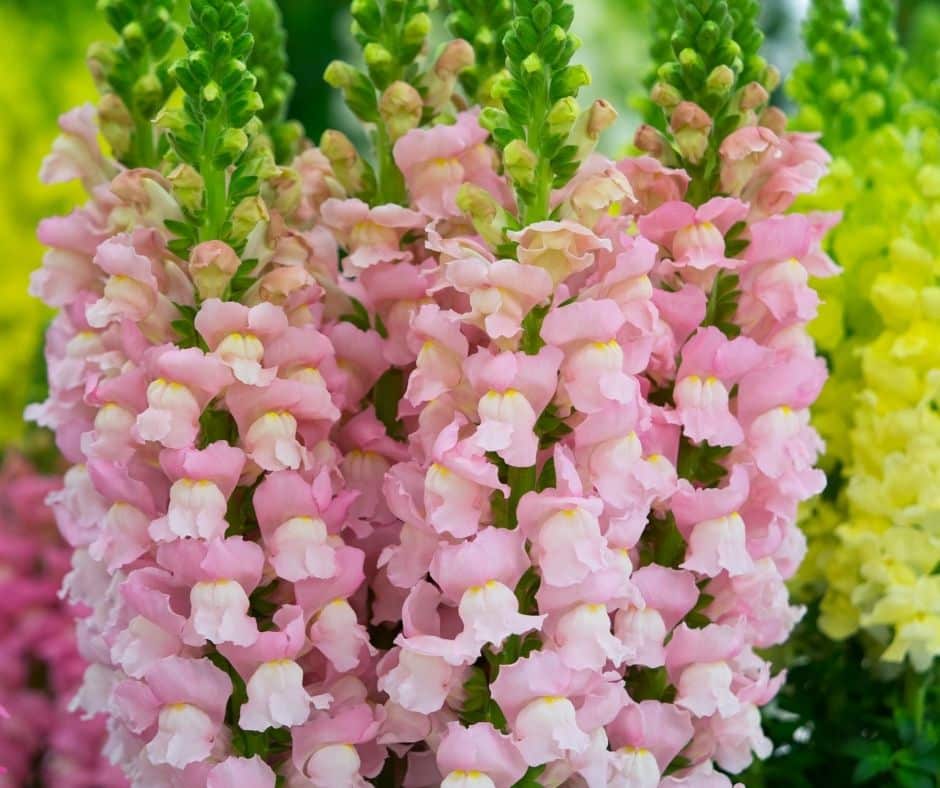
Snapdragons are another winter favorite, known for their whimsical, dragon-shaped flowers that come in a rainbow of colors.
Dwarf varieties stay compact, while taller ones make stunning backdrops in garden beds.
Snapdragons tolerate cool temperatures well and even improve their flowering with a little chill. They love full sun and regular watering, rewarding gardeners with abundant blooms from late fall through spring.
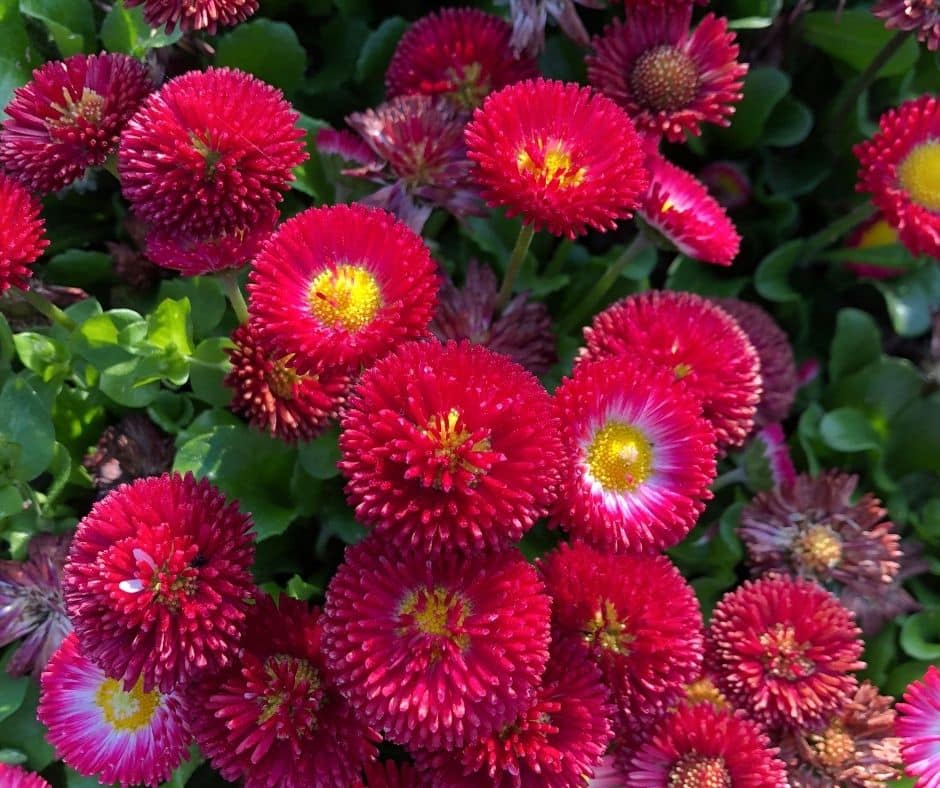
9. English Daisy
The classic English Daisy is a cold-hardy perennial that adds charm with its compact mounds of green foliage topped with small, button-like blooms.
Available in white, pink, red, or rose hues, English Daisies are perfect for edging paths, filling containers, or adding color to winter flower beds. They thrive in full sun to partial shade and require moist, well-draining soil to flourish.
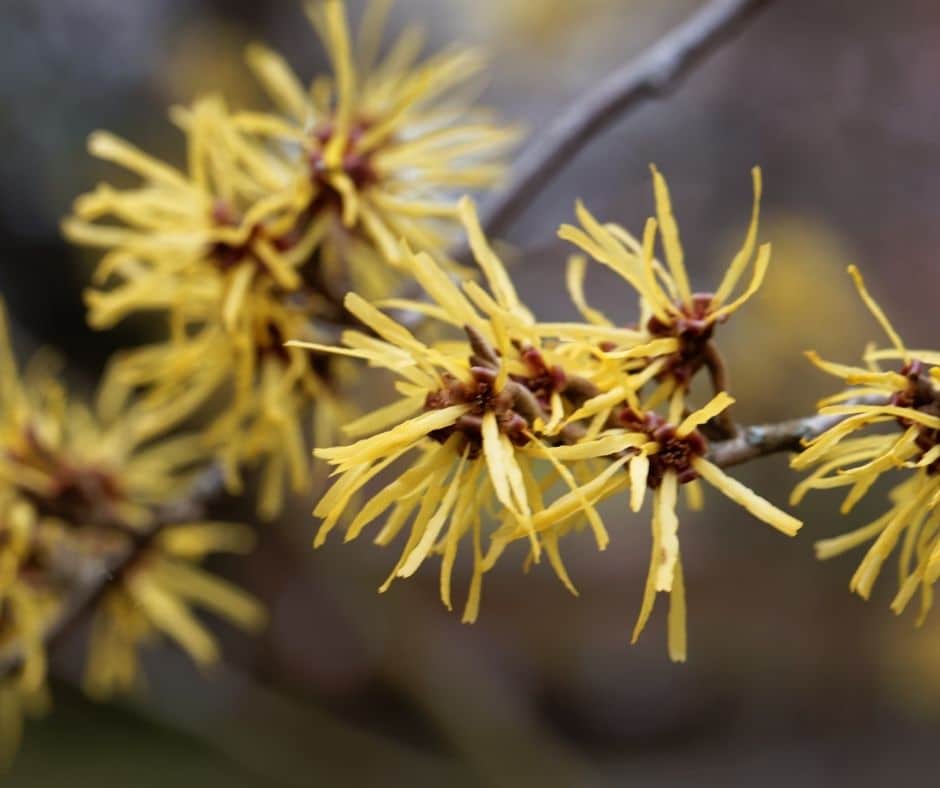
10. Witch Hazel
Witch Hazel is a standout winter shrub that bursts into bloom just when other plants are dormant. Its spidery, fragrant yellow, orange, or red flowers appear on bare branches, often during the coldest months.
This hardy shrub can grow up to 15 feet tall and is excellent for adding height, structure, and a surprising splash of winter color to your landscape.
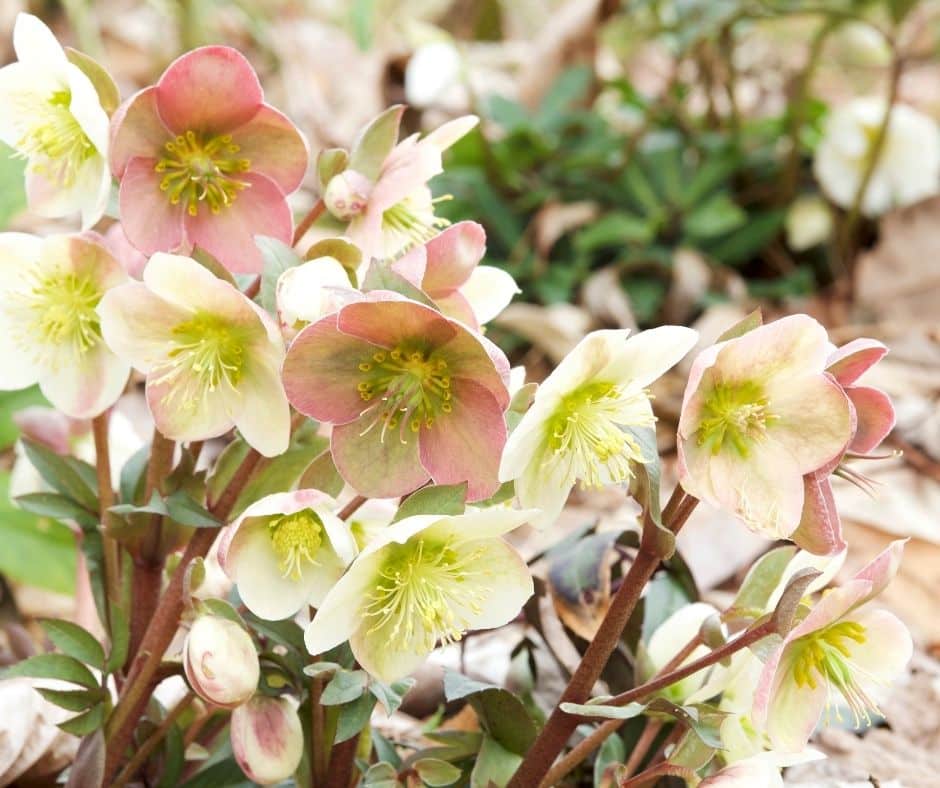
11. Hellebore
Often called the “Christmas Rose” or “Lenten Rose,” Hellebores are winter-flowering perennials that boast elegant, nodding flowers in shades of white, pink, green, purple, or even near-black.
They are exceptionally hardy, thrive in shady areas, and require minimal maintenance once established.
Hellebores are perfect for woodland gardens or shaded borders, adding subtle beauty when most other plants are dormant.
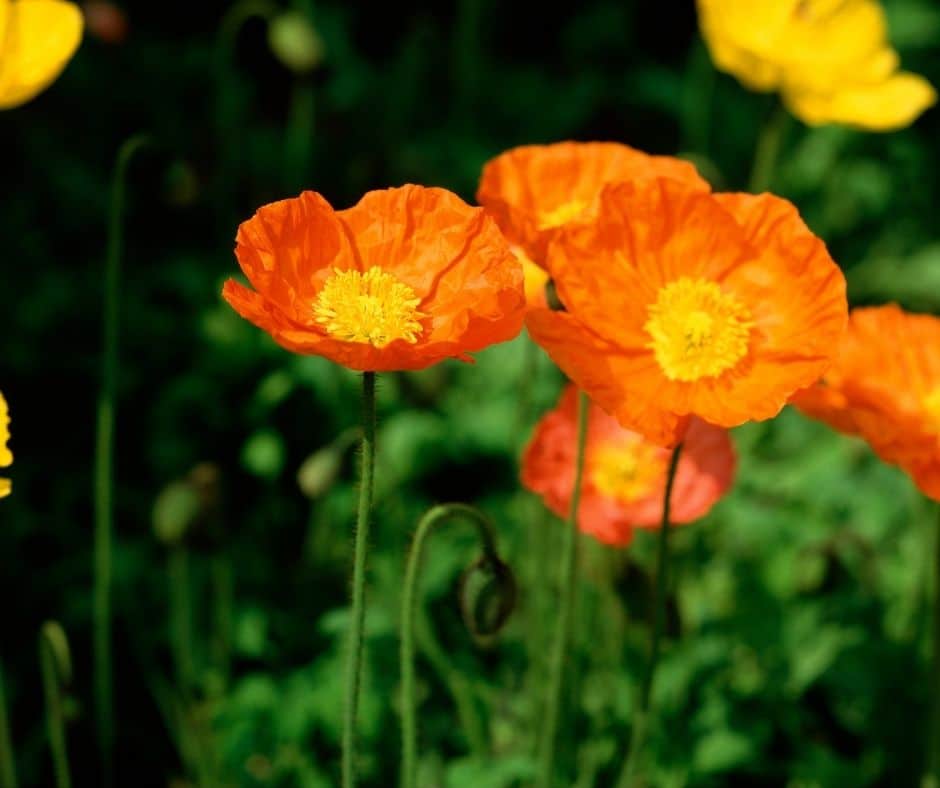
12. Iceland Poppy
Iceland Poppies bring a delicate, ethereal beauty to winter and early spring gardens with their satiny petals in shades of orange, pink, yellow, and white.
These plants grow about 1–2 feet tall and thrive in cooler climates. While they love full sun, they need consistent moisture to perform at their best.
Iceland Poppies offer vibrant color and soft movement, making them ideal for mass plantings or as accents in beds.
13. Camellia
Camellias are evergreen shrubs that produce spectacular rose-like blooms in winter and early spring. They come in shades ranging from pure white to deep pink and vibrant red, with lush, glossy leaves that look beautiful year-round.
Depending on the variety, camellias can grow anywhere from 6 to 10 feet tall, making them perfect as flowering hedges, specimen plants, or container showpieces.
They prefer acidic, well-drained soil and a sheltered spot away from harsh winter winds.
14. Ornamental Kale
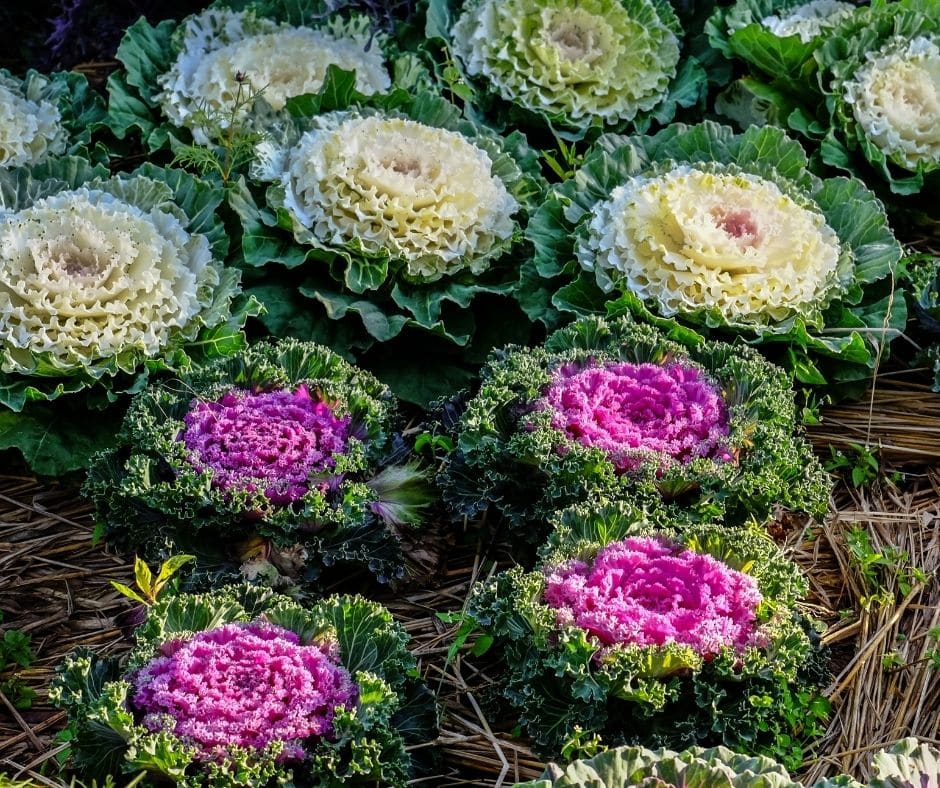
Ornamental Kale is a striking, hardy addition to any winter garden. Its colorful rosettes of ruffled leaves come in hues of pink, purple, green, and white, providing bold color even when snow falls.
These plants are easy to grow, tolerate frost well, and look beautiful lining walkways, framing beds, or decorating patios in containers.
15. Pansy
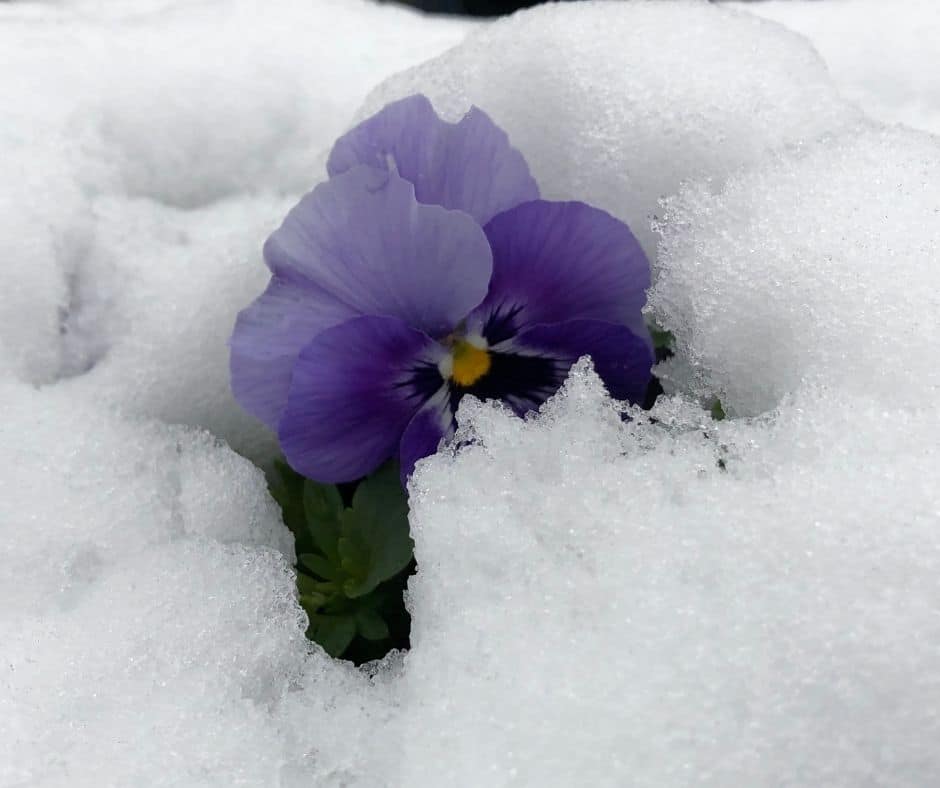
Pansies are the quintessential winter flower for many gardeners. Their cheerful, vividly colored blooms—often with distinctive “faces”—can brighten up any garden during the dreariest months.
Pansies are incredibly hardy, with many varieties surviving light snowfalls and freezing nights.
They thrive in cool temperatures and bloom continuously when given regular watering and partial to full sun exposure.
Winter gardens don’t have to be gray and lifeless. With a little planning and the right plant choices, you can enjoy a vibrant, colorful landscape even during the colder months.
From the delicate snowdrops and vibrant pansies to the dramatic blooms of camellias and witch hazels, these winter flowers offer a reminder that beauty thrives in every season.
Planting winter bloomers not only extends the joy of gardening year-round but also brings a unique charm that sets your garden apart from the rest.
So don’t let winter stop you—embrace the season with flowers that love the cold!


