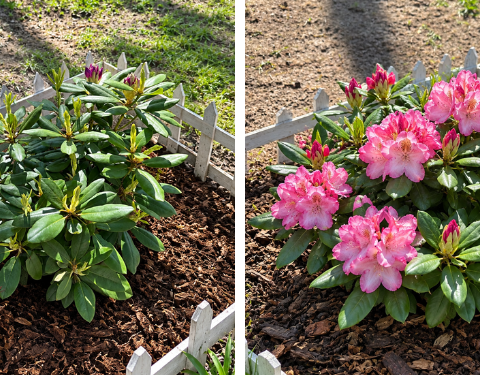
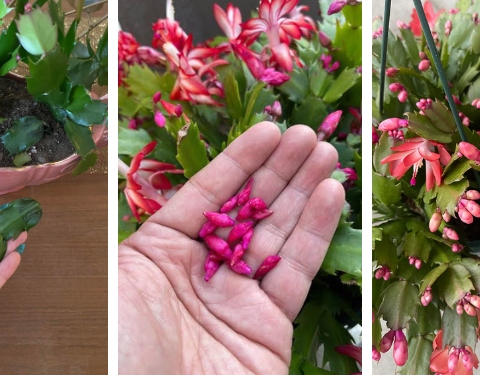
If you plan on growing a flower garden, there is no better choice to fill your containers or raised beds than perennials – particularly if you want to take a more low-maintenance approach.
Perennials, unlike annuals, do not have to be replanted every year. Instead, you’ll enjoy recurring blooms each and every year, with very little work or hassle on your part.
Here are several perennial species to consider if your goal is to create a garden with something in bloom at all times.
1. Russian Sage
Why It’s Special
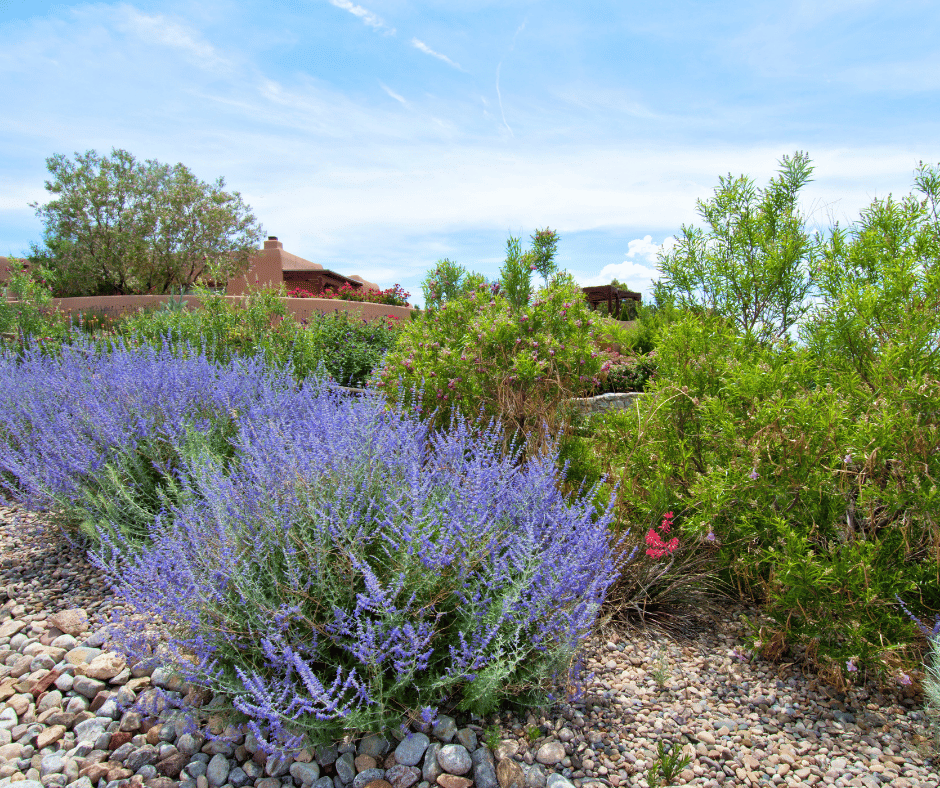
Russian sage is a tall, airy perennial with silvery foliage and lavender-blue flowers that bloom from midsummer to fall. It adds a touch of elegance and movement to the garden.
Benefits:
- Drought-Tolerant: Russian sage is perfect for xeriscaping and low-water gardens.
- Attracts Pollinators: Bees and butterflies are drawn to its long-lasting blooms.
2. Lavender
Why It’s Special
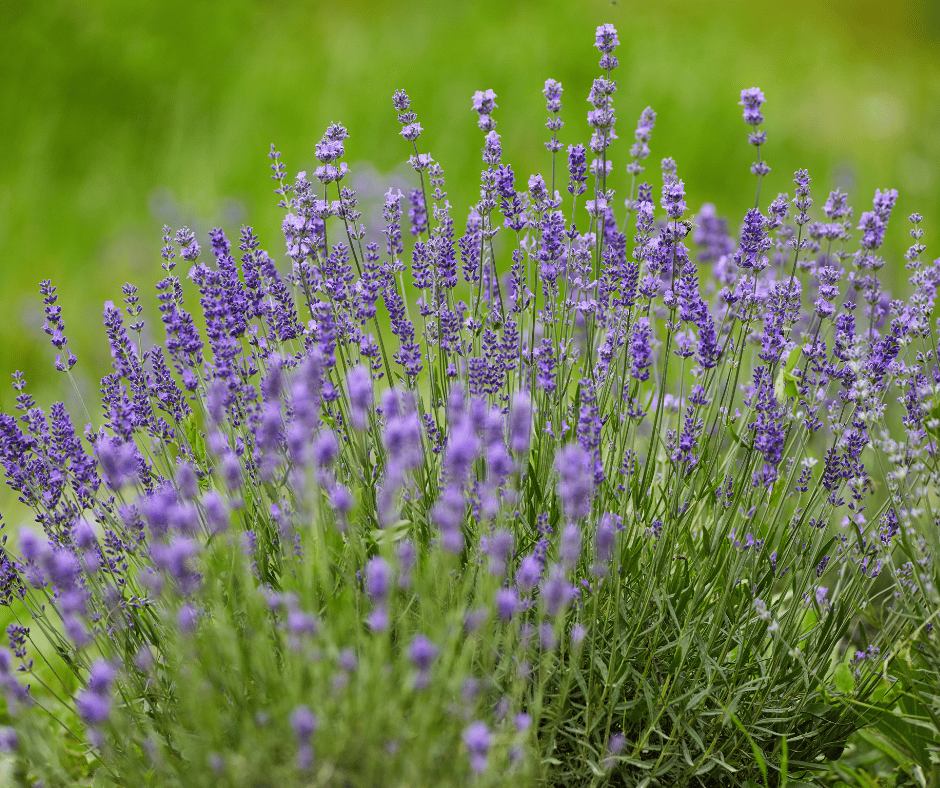
Lavender is cherished for its fragrant flowers and silvery-green foliage. It blooms from late spring to summer, and with proper care, it can rebloom in the fall.
Benefits:
- Aromatic: Lavender’s scent is calming and can be used in sachets and oils.
- Drought-Tolerant: Once established, lavender requires minimal water.
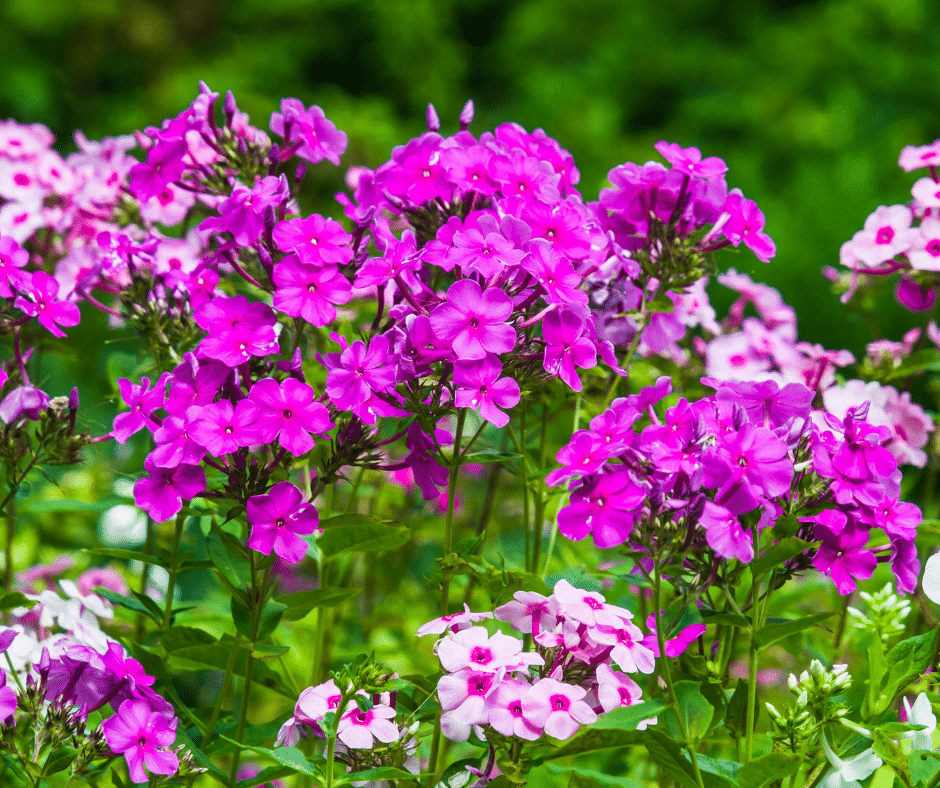
3. Garden Phlox
Why It’s Special
Phlox is a garden staple with large clusters of fragrant flowers that bloom from summer to early fall. The flowers come in a variety of colors, including pink, red, white, and purple.
Benefits:
- Fragrant: Phlox flowers have a sweet fragrance that attracts butterflies.
- Disease Resistant: Newer varieties are resistant to powdery mildew, a common problem with older types.
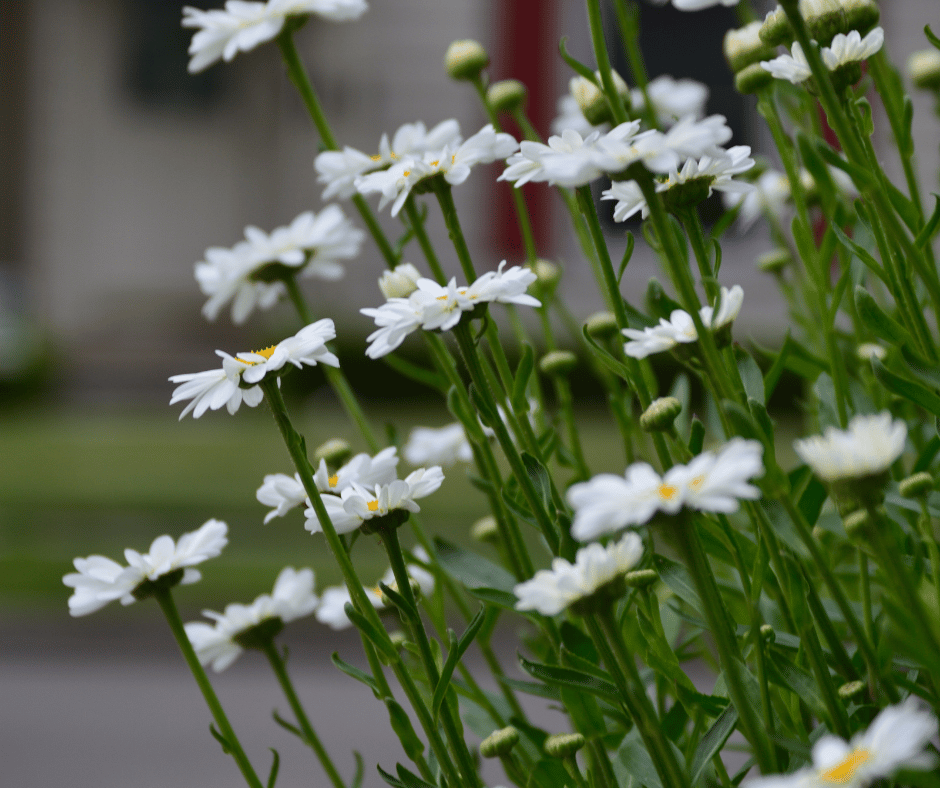
4. Shasta Daisy (Leucanthemum × superbum)
Why It’s Special
Shasta daisies are beloved for their classic white petals and yellow centers. These hardy perennials start blooming in early summer and can last well into the fall.
Benefits:
- Brightens Gardens: Their pure white blooms stand out against greenery.
- Low Maintenance: They thrive in full sun and well-drained soil.
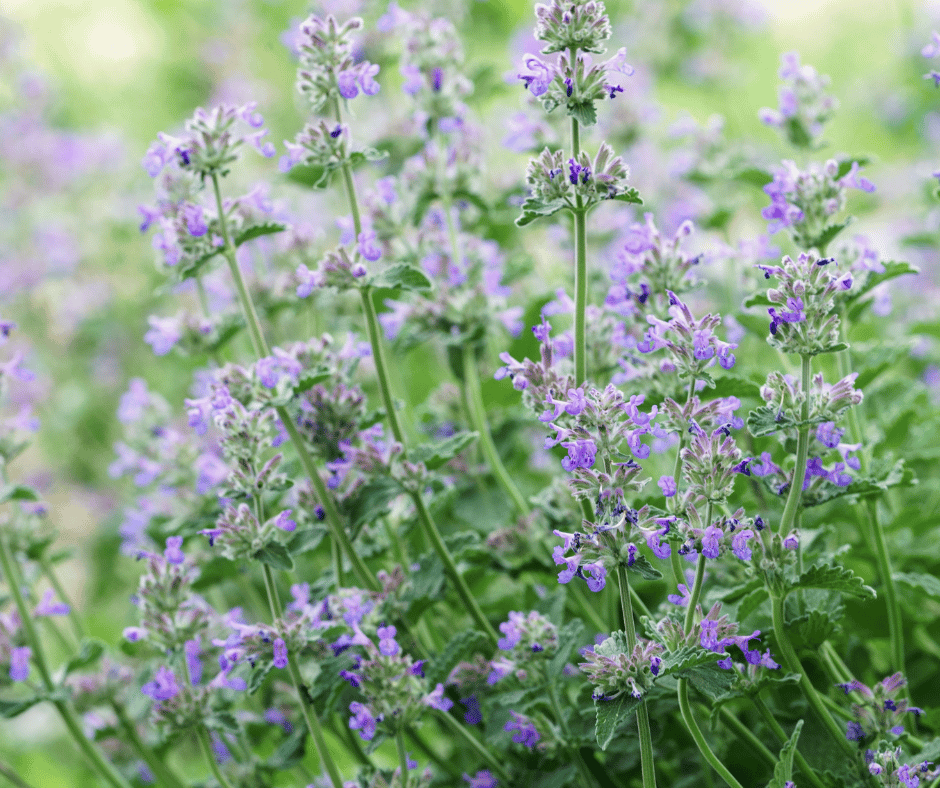
5. Catmint
Why It’s Special
Catmint is a resilient perennial with spikes of blue, lavender, or white flowers that bloom from late spring to early fall. Its aromatic foliage adds interest even when the flowers are not in bloom.
Benefits:
- Attracts Pollinators: Bees and butterflies love catmint flowers.
- Low Maintenance: Catmint is drought-tolerant and deer-resistant.
6. Black-Eyed Susan (Rudbeckia hirta)
Why It’s Special
Black-eyed Susans are a classic garden favorite with their bright yellow petals and dark, central cones. They are known for their long blooming period, often from mid-summer to the first frost.
Benefits:
- Attracts Pollinators: Bees, butterflies, and other pollinators love them.
- Low Maintenance: These flowers are drought-tolerant and easy to grow.
7. Coreopsis (Coreopsis spp.)
Why It’s Special
Coreopsis, also known as tickseed, produces cheerful, daisy-like flowers in shades of yellow, orange, and red. They are prolific bloomers that start in early summer and continue until fall.
Benefits:
- Versatile: Suitable for borders, containers, and mass plantings.
- Long-Lasting Blooms: With regular deadheading, coreopsis will bloom continuously.
8. Echinacea (Echinacea purpurea)
Why It’s Special
Echinacea, or coneflower, is not only beautiful but also beneficial, known for its medicinal properties. The flowers come in various colors, including purple, pink, and white, and bloom from summer through fall.
Benefits:
- Attracts Pollinators: A favorite of bees and butterflies.
- Drought-Tolerant: Echinacea thrives in poor soil and requires minimal water.
9. Daylily (Hemerocallis spp.)
Why It’s Special
Daylilies are known for their vibrant, trumpet-shaped flowers that open in the morning and close at night. While each bloom lasts only a day, the plants produce new flowers continuously throughout the season.
Benefits:
- Variety of Colors: Available in nearly every color of the rainbow.
- Hardy and Resilient: Daylilies are extremely low maintenance and adaptable.
10. Salvia (Salvia spp.)
Why It’s Special
Salvias are striking perennials with spiky blooms in shades of purple, blue, red, and white. They bloom from late spring to early fall, adding height and color to the garden.
Benefits:
- Attracts Pollinators: Hummingbirds and butterflies are particularly fond of salvia.
- Heat Tolerant: Salvias are ideal for hot, sunny spots in the garden.
11. Geranium (Geranium spp.)
Why It’s Special
Perennial geraniums, also known as cranesbills, are versatile, hardy plants with mounds of colorful flowers that bloom from spring through fall.
Benefits:
- Ground Cover: Geraniums make excellent ground covers, filling in gaps in the garden.
- Deer Resistant: They are generally not favored by deer, making them a good choice for areas with deer problems.
12. Gaillardia (Gaillardia x grandiflora)
Why It’s Special
Also known as blanket flower, Gaillardia features bright, daisy-like blooms in fiery shades of red, orange, and yellow. They bloom from early summer until the first frost.
Benefits:
- Heat Tolerant: Gaillardia thrives in hot, sunny conditions.
- Long Bloom Period: With deadheading, they will bloom continuously.
13. Rudbeckia (Rudbeckia fulgida)
Why It’s Special
Similar to Black-eyed Susan, Rudbeckia features vibrant yellow or orange flowers with dark centers. These perennials bloom from mid-summer to fall.
Benefits:
- Wildlife Friendly: Attracts pollinators and provides seeds for birds.
- Easy to Grow: Rudbeckia is hardy and requires minimal care.
14. Veronica (Veronica spp.)
Why It’s Special
Veronica, also known as speedwell, features spikes of blue, purple, pink, or white flowers that bloom from spring to fall. They add vertical interest to garden beds and borders.
Benefits:
- Extended Bloom Period: Regular deadheading encourages continuous blooms.
- Compact Growth: Veronica is ideal for small gardens or container planting.
These 14 luminous perennial flowers not only bring vibrant color to your garden throughout the season but also require minimal care and attract beneficial pollinators.
By choosing a mix of these hardy bloomers, you can create a garden that dazzles from spring to fall, year after year.