Do you love the idea of filling your home with beautiful greenery but feel like every plant you bring home ends up wilting, browning, or mysteriously dying? You’re not alone.
Many plant lovers start out enthusiastic but quickly feel discouraged when their efforts don’t produce thriving results.
The truth is, not all houseplants are created equal—some require more attention and specific conditions to grow, while others are incredibly forgiving.
If you’re just getting started with houseplants or want easy-care greenery that won’t suffer when life gets busy, this list of low-maintenance houseplants is exactly what you need.
These resilient indoor plants can survive missed waterings, less-than-perfect lighting, and a little neglect. Perfect for beginners or anyone looking to add stress-free greenery to their space.
1. Aloe Vera (Aloe barbadensis miller)
A classic for beginners, Aloe Vera is a hardy succulent that thrives on minimal care. Its thick, gel-filled leaves not only store water—making it drought-tolerant—but also have healing properties for burns and cuts.
Place Aloe in a sunny spot like a windowsill and water it every 2–3 weeks, allowing the soil to dry completely in between. Too much water is the only real danger.
This plant also prefers well-draining soil and benefits from occasional repotting as it grows.
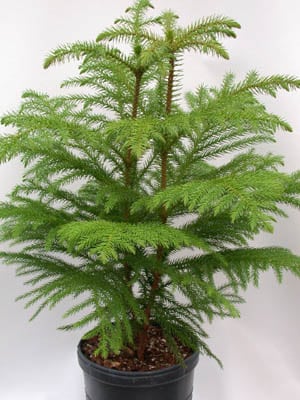
2. Norfolk Island Pine (Araucaria heterophylla)
Often mistaken for a small Christmas tree, the Norfolk Island Pine is a soft, feathery evergreen that adds charm to any indoor space.
While it’s technically not a true pine, it loves bright light and moderate humidity. Indoors, it can reach heights of 5–10 feet over time.
It prefers indirect light and well-drained soil, and while it doesn’t need frequent watering, it doesn’t like to dry out completely either. Avoid cold drafts, and it will thrive.
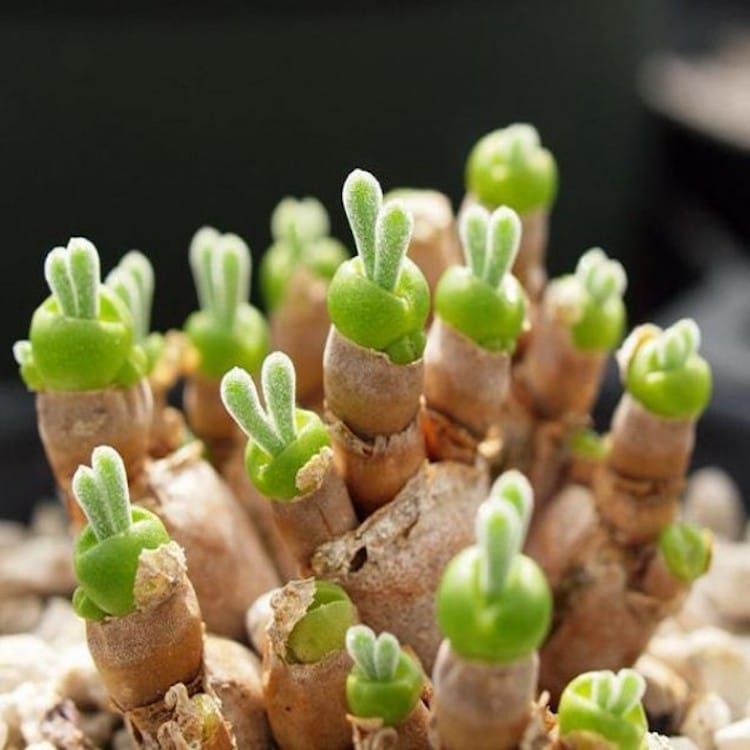
3. Rabbit’s Ear (Kalanchoe tomentosa)
Also known as Panda Plant, the Rabbit’s Ear is a fuzzy-leafed succulent with silvery-green foliage edged in dark brown.
It’s an attractive and compact plant perfect for desks, windowsills, or shelves. Its thick, velvety leaves help retain water, making it highly drought-resistant.
Bright, indirect light is best, and it only needs watering when the soil is completely dry. Too much humidity can cause problems, so a dry indoor environment is ideal.
4. Peperomia (Peperomia spp.)
Peperomia is a small houseplant with a huge variety of leaf shapes and colors, including deep greens, silvers, reds, and even variegated patterns.
Varieties like Peperomia obtusifolia (baby rubber plant) are especially beginner-friendly.
This plant enjoys medium light but can adapt to low light. It doesn’t like soggy soil, so let the top layer dry before watering. Peperomia grows slowly and stays compact, making it a great choice for small spaces.
5. English Ivy (Hedera helix)
A classic trailing plant, English Ivy is perfect for hanging baskets, shelves, or training up small trellises.
It thrives in moderate to bright indirect light but can adapt to lower light conditions. Water it when the top inch of soil is dry and provide a pot with good drainage.
English Ivy appreciates cooler indoor temperatures and some humidity, making it perfect for bathrooms or kitchens.
6. Chinese Evergreen (Aglaonema commutatum)
One of the easiest plants for low-light rooms, Chinese Evergreen is highly adaptable and very forgiving.
Its attractive leaves can be green, silver, red, or pink depending on the variety.
It’s tolerant of dry air and low humidity and doesn’t mind the occasional missed watering. Just keep it away from cold drafts and ensure its soil stays lightly moist. This plant is perfect for shady corners or dimly lit living rooms.
7. Red-Edged Dracaena (Dracaena marginata)
The Dracaena marginata, or Dragon Tree, is a striking indoor plant with thin green leaves edged in red.
It can grow several feet tall and adds a vertical element to any room. Dracaenas are excellent air-purifying plants and need very little water.
Let the soil dry out between waterings, and keep it in a spot with bright, indirect light. Too much direct sun can scorch its leaves.
8. Rubber Tree (Ficus elastica)
With its bold, glossy leaves and ability to grow tall indoors, the Rubber Tree makes a dramatic statement in any room.
It prefers bright, indirect light but can tolerate low light, making it a flexible option. Water it only when the top few inches of soil are dry.
You only need to fertilize during spring and summer, and the rest of the year, it’s content to be left alone.
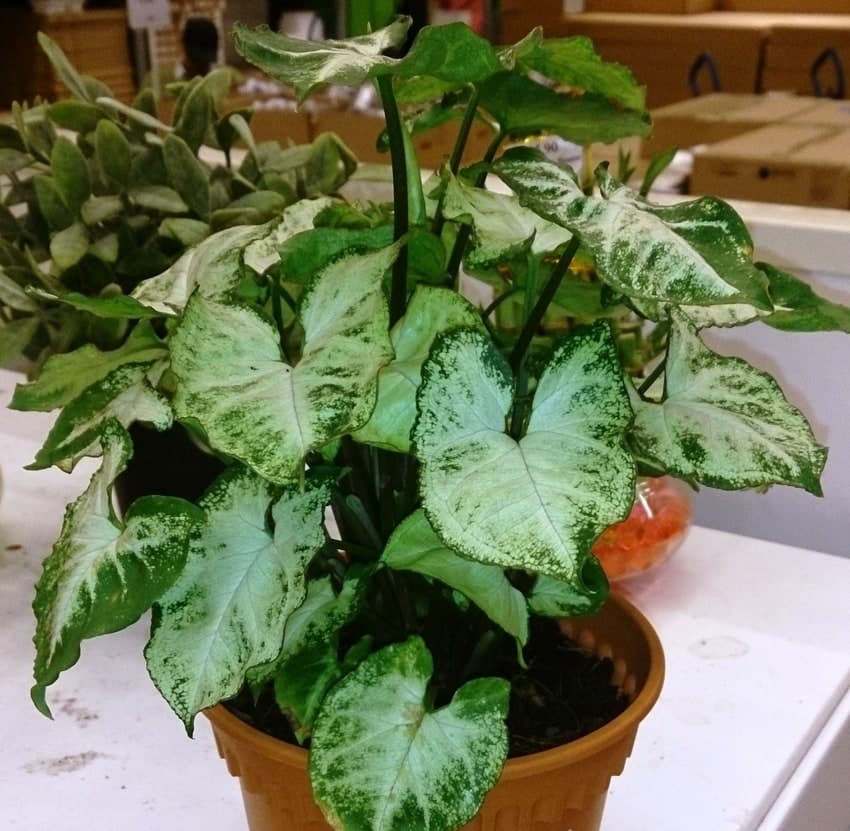
9. Arrowhead Vine (Syngonium podophyllum)
The Arrowhead Vine gets its name from its uniquely shaped leaves, which change form as the plant matures. It’s a fast grower and adds a lush, tropical vibe to your home.
It enjoys bright, indirect light but adapts to low light well. Keep the soil lightly moist, and increase humidity if the leaf tips start to brown.
It’s easy to propagate in water, so you can grow new plants from stem cuttings with ease.
10. Boston Fern (Nephrolepis exaltata)
Despite its delicate appearance, the Boston Fern is surprisingly resilient. This lush, arching plant thrives in high humidity and indirect light.
It’s a great addition to bathrooms where the air tends to be moist. Keep the soil consistently damp, but not soggy, and mist the leaves during dry months.
Though it may drop some fronds from time to time, it bounces back quickly with consistent care.
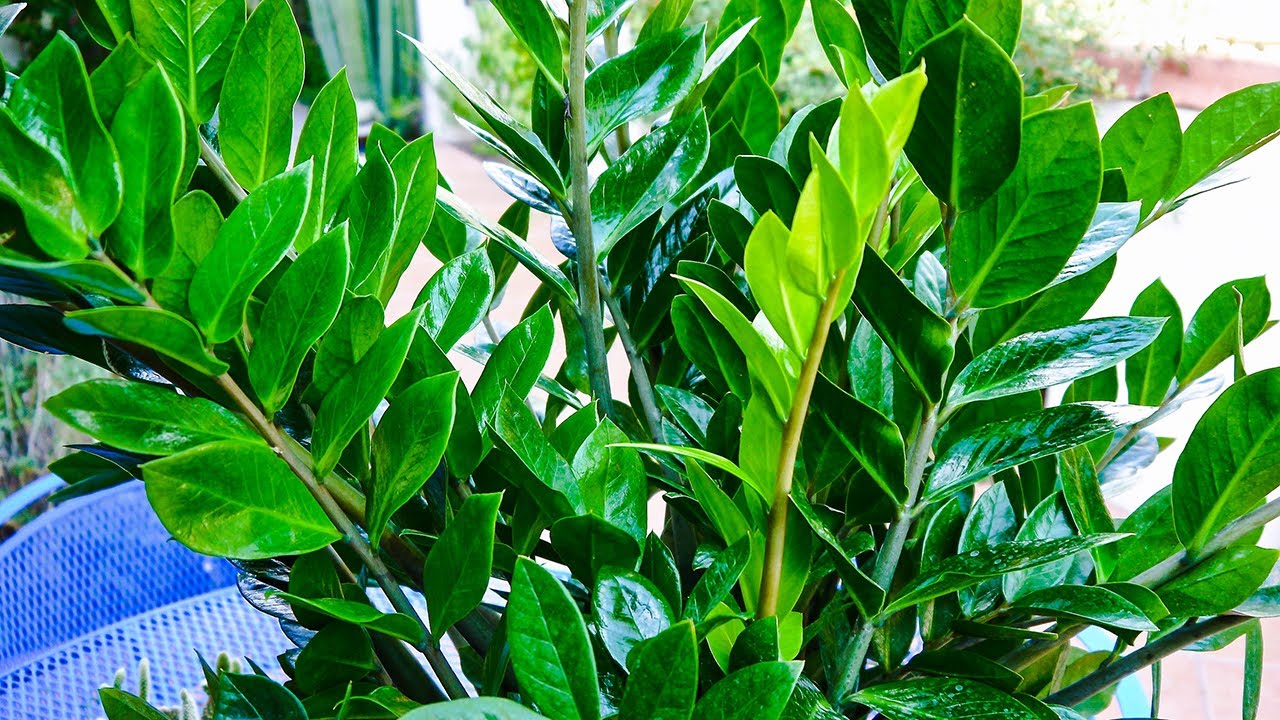
11. ZZ Plant (Zamioculcas zamiifolia)
The ZZ Plant is legendary for its toughness. It tolerates low light, dry air, irregular watering, and still looks fantastic with its shiny, dark green leaves.
It’s perfect for office desks or rooms with limited natural light. Water it sparingly—maybe once every 2–3 weeks. Overwatering is the only real threat.
ZZ Plants grow slowly but require almost no maintenance, making them ideal for anyone with a busy lifestyle.
12. Croton (Codiaeum variegatum)
If you want a splash of bold color, Croton is your go-to plant. Its leaves feature a mix of red, orange, yellow, and green, and they become more vibrant with brighter light.
Though Crotons can adapt to low light, they do best near a bright window. Keep the soil evenly moist and wipe down the leaves occasionally to keep them shiny.
Avoid sudden changes in temperature or light, which can cause leaf drop.
13. Crown of Thorns (Euphorbia milii)
Despite its thorny appearance, the Crown of Thorns is a cheerful, flowering succulent that can bloom year-round under the right conditions.
It prefers bright light, thrives in dry indoor air, and only needs occasional watering. Its red, pink, or yellow flowers appear at the tips of its stems and last for weeks.
Be cautious with handling, as the plant has sharp spines and a milky sap that can irritate skin.

14. Succulents (Various species)
No list of low-maintenance plants is complete without succulents. From Echeveria to Haworthia, these desert natives thrive on neglect.
They need plenty of sunlight and well-draining soil, but aside from that, they ask very little of you. Water deeply but only when the soil is completely dry, usually every 2–3 weeks.
Succulents come in endless shapes and colors, perfect for mixing and matching in decorative pots.
If you’ve struggled with keeping houseplants alive in the past, don’t give up just yet.
The plants listed here are tough, forgiving, and made for people who want the beauty of greenery without the stress of constant care.
Whether you have low light, a busy schedule, or just forget to water now and then, these low-maintenance houseplants will keep thriving—and bring life, color, and charm to your home all year long.
Start with one or two, and watch your confidence (and your indoor jungle) grow.