A pergola adorned with lush vines and colorful blooms can transform any garden into a charming and tranquil retreat.
Whether you’re dreaming of a shady escape filled with fragrant flowers, dramatic foliage, or cascading blossoms, the right climbing plant can turn a simple pergola into a breathtaking focal point.
Climbing plants do more than enhance the aesthetic of your outdoor space. They also offer natural shade, attract pollinators like hummingbirds and butterflies, and create a sense of privacy and intimacy in your garden.
In this article, we’ll explore 13 of the best climbing plants for pergolas, along with growing tips, climate considerations, and advice for creating a thriving, vertical garden.
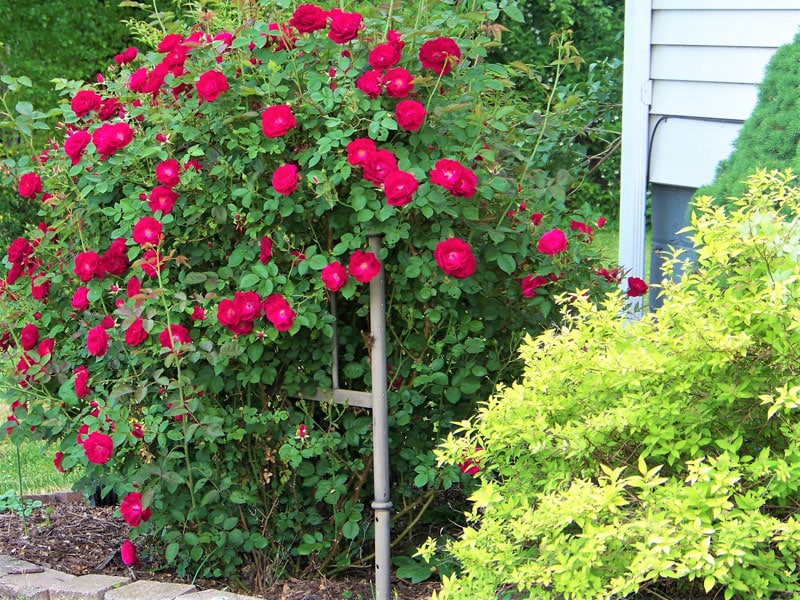
1. Climbing Rose (Rosa spp.)
Few plants offer the romantic appeal of climbing roses. With varieties available in nearly every color, they’re ideal for pergolas when trained properly from a young age.
Key Features:
-
Height: Up to 12 feet
-
Zones: 4–9 (depending on variety)
-
Sunlight: Full sun
-
Soil: Well-draining and slightly acidic
Why Grow It:
-
Abundant blooms
-
Long flowering season
-
Adds fragrance and cottage garden charm
Tip: Choose repeat-blooming or ever-blooming varieties for color all summer long.
2. Honeysuckle (Lonicera spp.)
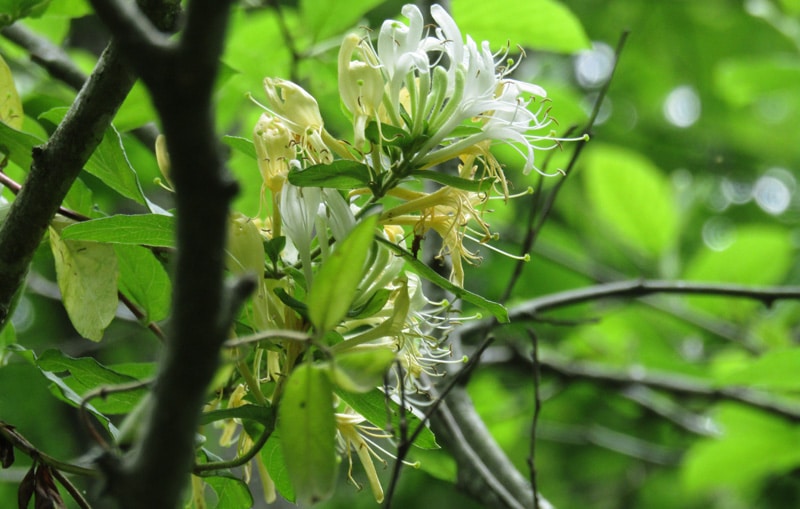
Fast-growing and fragrant, honeysuckle vines are known to attract hummingbirds, butterflies, and bees. Its tubular flowers range from white and yellow to red and orange.
Key Features:
-
Height: Up to 20 feet
-
Zones: 4–9
-
Sunlight: Partial to full sun
-
Soil: Adaptable, well-drained
Why Grow It:
-
Sweet, lingering fragrance
-
Long bloom period (late spring to fall)
-
Great for privacy and pollinators
3. Clematis (Clematis spp.)
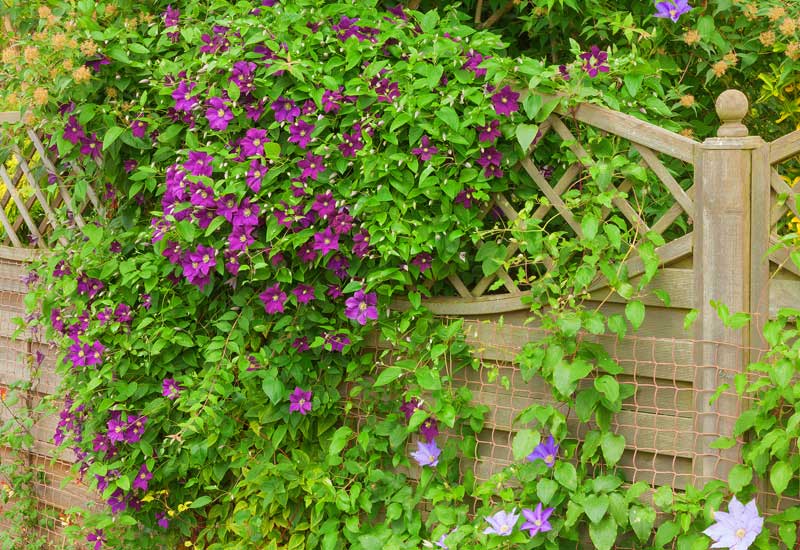
With large, colorful blooms in shades of purple, pink, blue, and white, clematis is one of the most versatile and stunning climbers for pergolas.
Key Features:
-
Height: 6–12 feet or more
-
Zones: 4–9
-
Sunlight: Full sun on top, shade at roots
-
Soil: Moist but well-drained
Why Grow It:
-
A wide variety of bloom shapes and colors
-
Can flower multiple times a season
-
Pairs beautifully with other climbers like roses
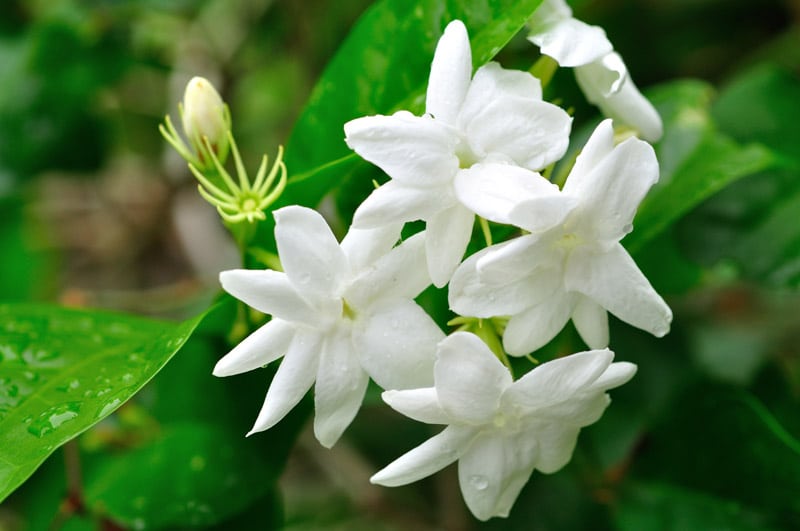
4. Jasmine (Jasminum spp.)
Jasmine vines are prized for their intensely fragrant white or yellow flowers, which bloom abundantly in warm climates.
Key Features:
-
Height: Up to 35 feet
-
Zones: 6–10
-
Sunlight: Partial to full sun
-
Soil: Well-drained, rich soil
Why Grow It:
-
Sweet, soothing scent
-
Evergreen in warmer zones
-
Attracts pollinators
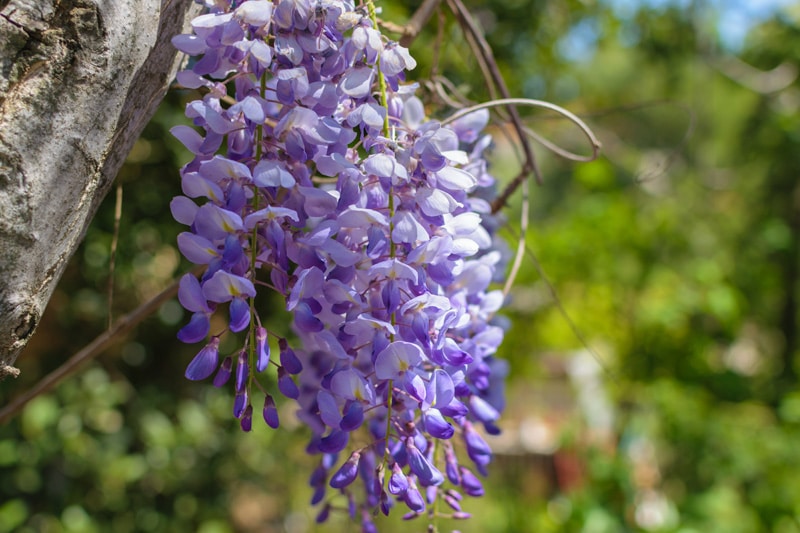
5. Wisteria (Wisteria sinensis or W. floribunda)
Wisteria’s cascading clusters of violet, purple, or white blooms create a stunning, fairytale-like display. It’s a vigorous grower and needs sturdy support.
Key Features:
-
Height: Up to 25 feet
-
Zones: 4–9
-
Sunlight: Full sun
-
Soil: Moist, well-drained, slightly acidic
Why Grow It:
-
Dramatic floral impact
-
Long lifespan
-
Attracts bees and butterflies
Tip: Prune regularly to prevent overgrowth and encourage flowering.
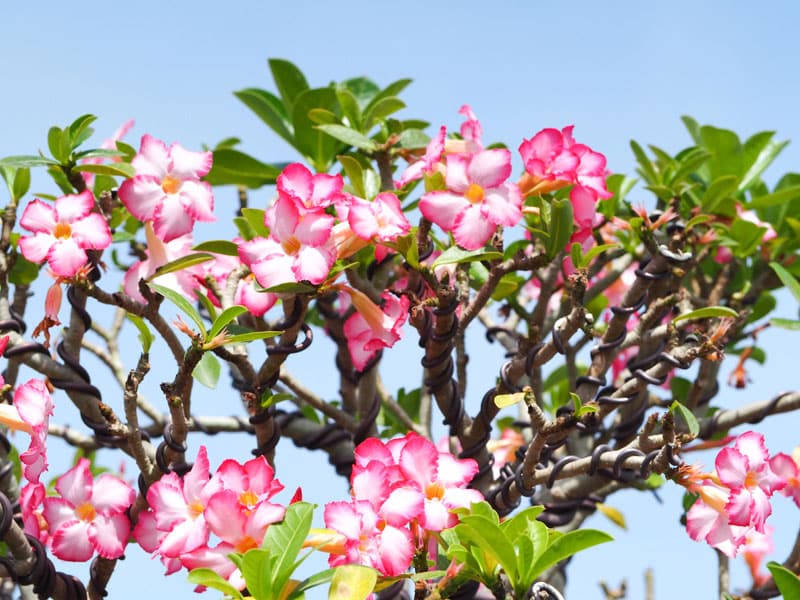
6. Bignonia (Bignonia capreolata)
Also called crossvine, this fast-growing native climber offers bright, trumpet-shaped flowers in orange and red tones, blooming in spring and early summer.
Key Features:
-
Height: Up to 50 feet
-
Zones: 5–9
-
Sunlight: Full to partial sun
-
Soil: Slightly acidic, well-drained
Why Grow It:
-
Attracts hummingbirds
-
Low maintenance
-
Excellent for quick coverage
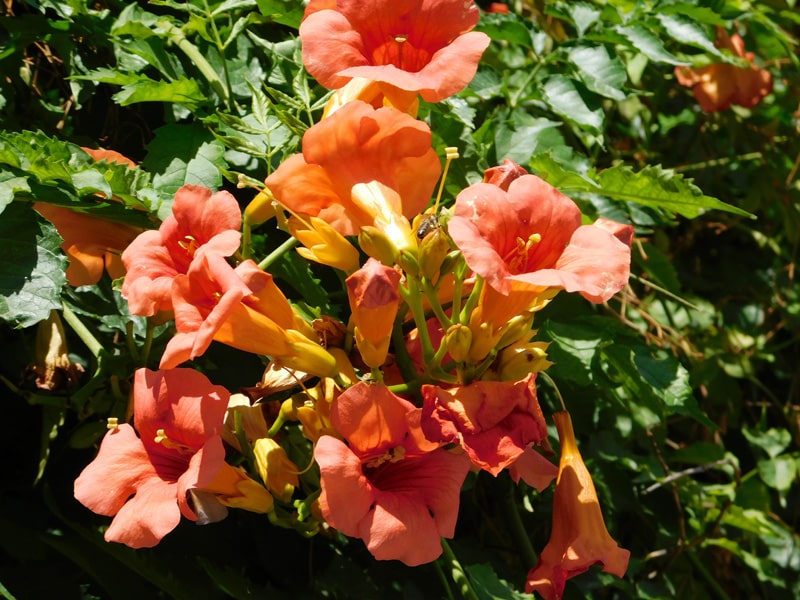
7. Trumpet Vine (Campsis radicans)
Trumpet vine is a show-stopping climber with large, flared blooms in shades of orange, red, or yellow. It’s perfect for attracting hummingbirds.
Key Features:
-
Height: Up to 40 feet
-
Zones: 5–9
-
Sunlight: Full sun to partial shade
-
Soil: Well-draining
Why Grow It:
-
Bold blooms
-
Great for sunny pergolas
-
Tolerant of drought and poor soil
Note: Can be aggressive — prune and contain growth annually.
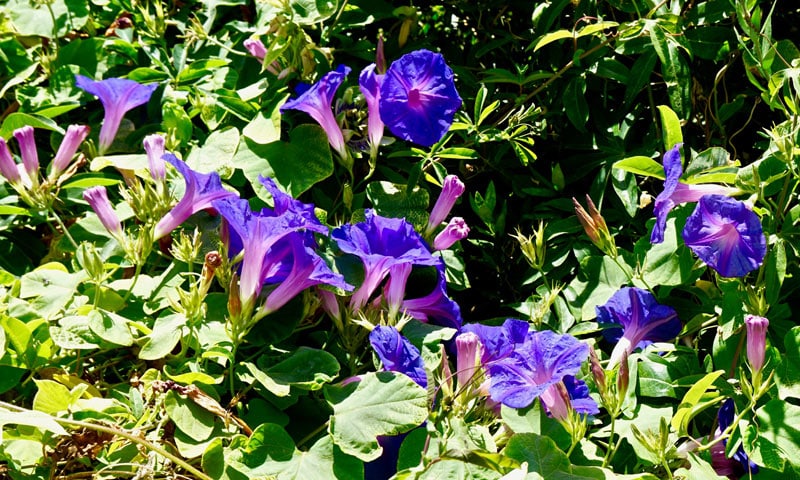
8. Morning Glory (Ipomoea spp.)
A cheerful and fast-growing annual vine, morning glory features brilliant blue, purple, or pink trumpet-shaped blooms that open each morning.
Key Features:
-
Height: Up to 15 feet
-
Zones: 3–10 (annual in most areas)
-
Sunlight: Full sun
-
Soil: Well-drained, not too rich
Why Grow It:
-
Quick coverage
-
Gorgeous flowers all summer
-
Attracts pollinators
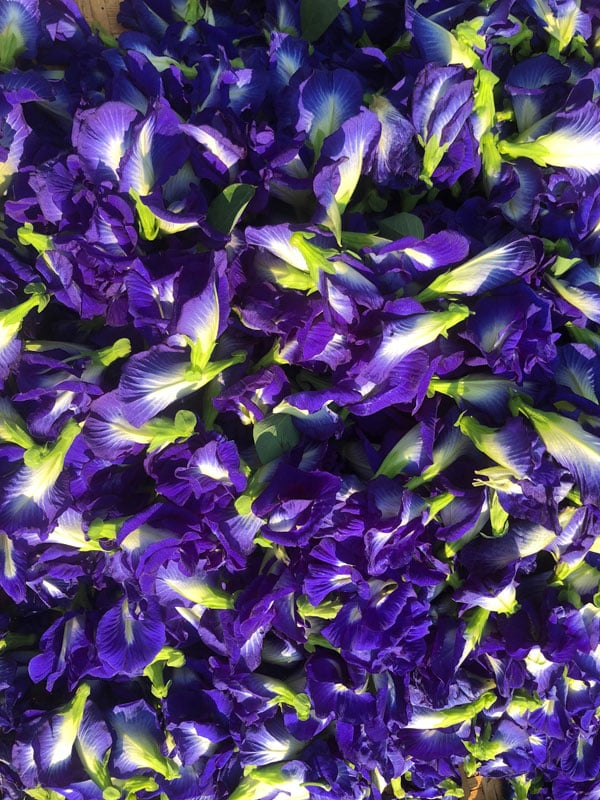
9. Butterfly Pea (Clitoria ternatea)
This tropical vine produces deep blue, violet, or white flowers and thrives in warm, humid climates. It’s popular for tea and ornamental use.
Key Features:
-
Height: Up to 10 feet
-
Zones: 10–11
-
Sunlight: Full sun
-
Soil: Moist, well-drained
Why Grow It:
-
Unique blooms
-
Attracts butterflies
-
Drought-tolerant once established
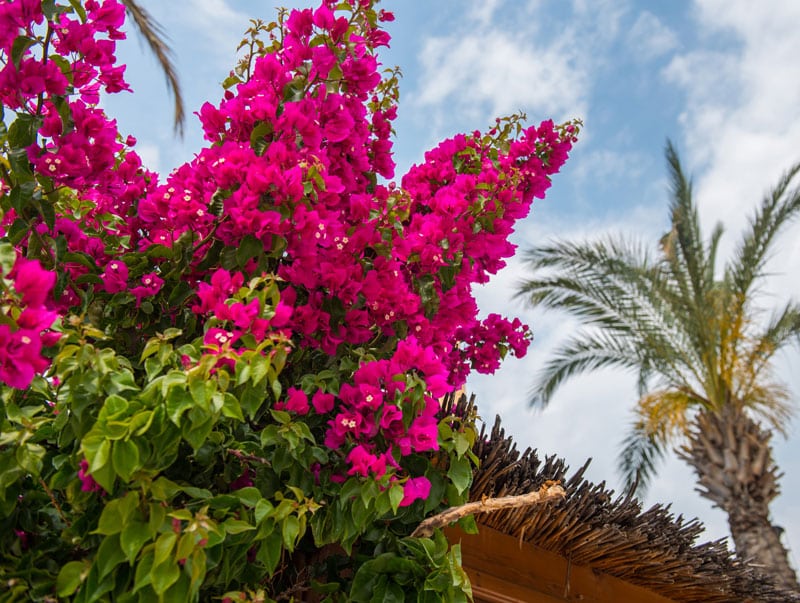
10. Bougainvillea (Bougainvillea spp.)
A bold, tropical favorite, bougainvillea boasts vibrant pink, purple, orange, or white bracts. It’s an evergreen in warmer climates.
Key Features:
-
Height: Up to 30 feet
-
Zones: 9–11
-
Sunlight: Full sun
-
Soil: Well-drained, slightly acidic
Why Grow It:
-
Colorful and long-blooming
-
Drought-tolerant
-
Great for covering pergolas in hot, dry climates
11. Bleeding Heart Vine (Clerodendrum thomsoniae)
Not to be confused with the bleeding heart perennial, this vine produces clusters of white and red heart-shaped flowers in humid regions.
Key Features:
-
Height: Up to 15 feet
-
Zones: 9–11
-
Sunlight: Partial shade to full sun
-
Soil: Moist, fertile soil
Why Grow It:
-
Exotic, romantic blooms
-
Long flowering period
-
Ideal for tropical or subtropical gardens

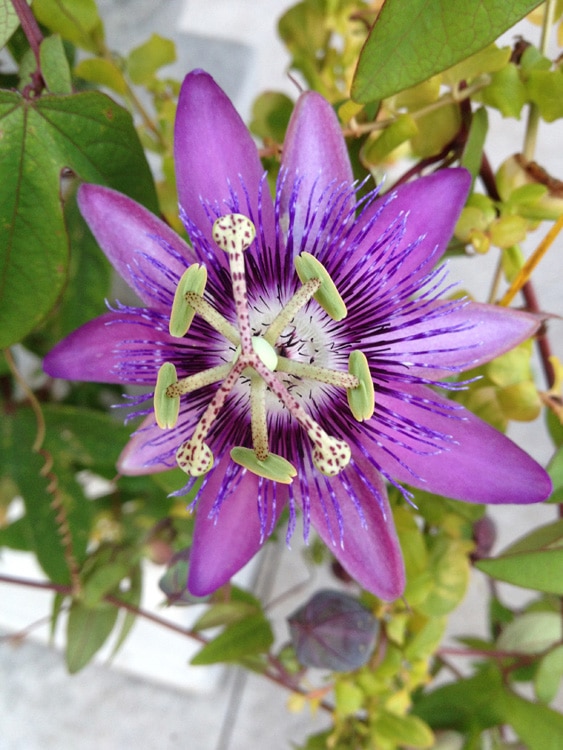
12. Passion Flower (Passiflora spp.)
Known for its extravagant, alien-like blooms, the passion flower is a vigorous grower and excellent for covering pergolas with unique beauty.
Key Features:
-
Height: Up to 30 feet
-
Zones: 7–10 (or as annual)
-
Sunlight: Full sun
-
Soil: Well-drained
Why Grow It:
-
Attracts pollinators
-
Edible fruit on some varieties
-
Stunning tropical flowers
13. White Potato Vine (Solanum jasminoides)
A fast-growing, evergreen vine that produces clusters of star-shaped white flowers, often with a faint lilac hue.
Key Features:
-
Height: Up to 25 feet
-
Zones: 9–11
-
Sunlight: Full or partial sun
-
Soil: Well-draining
Why Grow It:
-
Delicate, ornamental blooms
-
Ideal for subtropical climates
-
Low maintenance
Tips for Growing Climbing Plants on a Pergola
To ensure success and a long-lasting display, follow these essential pergola gardening tips:
1. Support Matters
Make sure your pergola is structurally sound. Some climbers like wisteria or trumpet vine can get heavy.
2. Prune Regularly
Pruning controls growth, encourages blooming, and prevents vines from overwhelming other plants.
3. Train Your Vines
Use soft garden ties or twine to help young vines latch onto pergola beams. Some may need guidance early on.
4. Water and Feed Wisely
Climbers grow fast — keep them hydrated and use balanced fertilizer during the growing season.
5. Choose Plants Based on Climate
Match the plant’s hardiness zone and sunlight needs to your location for the best results.
From the romantic charm of climbing roses to the tropical allure of passionflowers, there’s a perfect climbing plant for every garden style.
These plants not only beautify your pergola but also invite nature in, attracting birds, butterflies, and beneficial pollinators.
Whether you’re creating a shady retreat, a fragrant floral tunnel, or a dramatic garden focal point, these climbing plants will help you build a pergola that’s more than just a structure — it’s an experience.