Many gardeners treat March as the official start of seed season. Seed racks appear, garden centers get busy, and planting calendars begin circulating.
But experienced growers know a key truth: if you wait until March for certain crops, you’re already late for the best early harvests.
Some vegetables and herbs need a long indoor start. Others perform best when established in cool conditions before spring fully arrives.
A few rely on day length or slow early growth that cannot be rushed later. Missing this early window doesn’t ruin your garden – but it does delay harvests, reduce yields, and shorten your most productive growing period.
Starting the right seeds before March gives plants time to build roots, thicken stems, and prepare for transplanting at exactly the right moment. The payoff is earlier picking, longer harvest windows, and stronger plants overall.
Why Some Seeds Must Be Started Before March
Not all plants grow at the same speed. The crops that need a pre-March start usually share one or more of these traits:
- Slow early growth
- Long maturity time
- Warm germination requirements
- Day-length sensitivity
- Cool-season preference
- Poor performance when direct-sown late
Starting early allows:
- Root establishment before transplant
- Earlier flowering and fruiting
- Better cold tolerance
- Reduced pest pressure
- Longer total harvest season
1. Peppers (Sweet and Hot)
Peppers are one of the most important seeds to start before March. They are slow to germinate and even slower to size up. From seed to transplant-ready plant often takes 8–10 weeks.
If started late, peppers:
- Flower later
- Produce fewer fruits
- Struggle in early heat waves
Early starts produce thicker stems and earlier fruit set – critical for both sweet and hot varieties.
Start: Indoors with bottom heat and strong light.
2. Eggplant
Eggplant grows at nearly the same pace as peppers and benefits from the same early schedule. It needs warmth, steady light, and time to build structure.
Late-started eggplant often remains small and yields poorly. Early seedlings establish faster outdoors and handle transplant shock better.
Start: Indoors in warm conditions.
3. Onions (From Seed)
Onions grown from seed must be started early because bulb size depends on leaf growth before day-length triggers bulb formation.
If seedlings are too small when long days arrive, bulbs stay small – no matter how long you grow them afterward.
Early starts lead to:
- Larger bulbs
- Better storage quality
- Stronger root systems
Start: Indoors under bright light.
4. Leeks
Leeks are extremely slow-growing and require a long runway. From seed to thick harvest stems can take months.
Starting before March allows:
- Strong stem thickening
- Better flavor development
- Fall-sized harvests
Late starts produce thin, pencil-sized leeks.
Start: Indoors, cool but bright.
5. Celery
Celery is one of the slowest and most demanding seedlings. Germination is slow, early growth is slow, and transplant size takes time.
If started late:
- Stalks remain thin
- Plants bolt faster
- Texture suffers
Start: Indoors now – not later.
6. Celeriac (Celery Root)
Celeriac is even slower than celery and absolutely requires a pre-March start in most climates.
It needs:
- Long cool development
- Early root establishment
- Extended growing time
Without an early start, roots never size up properly.
Start: Indoors with patience.
7. Broccoli (Early Crops)
For early spring harvest broccoli, seeds must be started before March so transplants are ready for cool-weather planting.
Early broccoli:
- Forms heads before heat
- Avoids pest surges
- Produces tighter crowns
March starts often push harvest into warm weather, reducing quality.
Start: Indoors or under cover.
8. Cabbage
Cabbage is a classic cool-season crop that benefits from early establishment.
Pre-March starts produce:
- Firmer heads
- Better cold tolerance
- Earlier harvest
Late starts increase the risk of splitting and pest damage.
Start: Indoors or in a cold frame.
9. Cauliflower
Cauliflower is timing-sensitive. Heat stress ruins head formation. Early starts are key to success.
Seedlings started before March:
- Mature in cool weather
- Form better heads
- Avoid stress deformities
Late starts often produce small or loose curds.
Start: Indoors early.
10. Head Lettuce (Not Leaf Lettuce)
Leaf lettuce can be direct sown later – but head lettuce benefits from an early indoor start.
Early starts allow:
- Faster head formation
- Better structure
- Earlier harvests
Heading types take longer than loose-leaf varieties.
Start: Indoors or under cover.
11. Spinach (Under Cover)
Spinach prefers cold soil but still benefits from protected early sowing.
Starting before March under cover gives:
- Earlier leaf harvest
- Sweeter flavor
- Reduced bolting
Late spinach often runs straight to seed.
Start: Cold frame, tunnel, or greenhouse.
12. Parsley
Parsley is notoriously slow to germinate – often taking 2–3 weeks just to sprout.
Starting before March ensures:
- Strong transplants
- Earlier cutting
- Fuller plants
Late sowing delays usable harvest by months.
Start: Indoors with patience and steady moisture.
Herbs That Benefit from Pre-March Starts
While not vegetables, these herbs strongly benefit from early sowing:
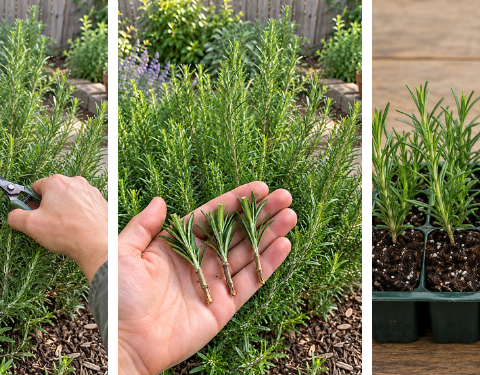
- Rosemary
- Thyme
- Oregano
- Sage
- Lavender
They grow slowly and reward early starts with stronger plants.
Indoor vs Under-Cover Starts
Use indoor starts for:
- Warm-season crops
- Slow growers
- Heat-loving plants
Use under-cover starts for:
- Cool-season crops
- Cold-tolerant greens
- Brassicas
Matching method to plant type improves success.
Common Early-Start Mistakes
Starting early only helps if conditions are right.
Avoid:
- Weak window light (causes legginess)
- Overwatering
- Starting too many seeds at once
- No airflow
- No plan for potting up
Good light + moderate water + spacing = strong seedlings.
What Happens If You Wait Until March
If you delay these crops until March:
- Harvest shifts weeks later
- Yields shrink
- Heat stress increases
- Pest exposure rises
- Plant size decreases
- Season shortens
You can still grow – but not optimize.
The Early Start Advantage Compounds
A plant started 3–4 weeks earlier doesn’t just harvest earlier – it:
- Develops deeper roots
- Handles transplant stress better
- Produces longer
- Competes with weeds better
- Resists drought better
Time gained early multiplies later.
If you want early harvests and peak performance, certain seeds simply cannot wait until March.
Peppers, eggplant, onions, leeks, celery, celeriac, brassicas, parsley, and protected greens all benefit from a pre-March start.