The kitchen is the heart of the home—where food is made, family gathers, and memories are created.
It’s also a space filled with warmth, humidity, and natural light, making it an excellent environment for many houseplants.
Adding greenery to your kitchen not only enhances aesthetics but also purifies the air, boosts your mood, and, in some cases, provides fresh herbs for cooking.
Whether you have a small apartment kitchen with a windowsill or a large open-plan kitchen with lots of light, there’s a houseplant that can thrive in your space.
From low-maintenance greenery to functional edible plants, here are 12 of the best houseplants to grow in your kitchen for both beauty and utility.
1. Spider Plant (Chlorophytum comosum)
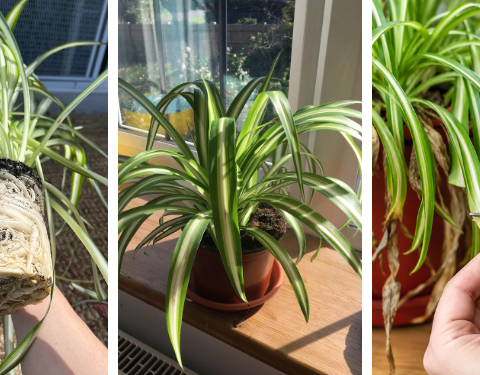
Spider plants are one of the easiest and most adaptable houseplants to grow indoors.
With their arching green-and-white striped leaves and small offshoots (or “spiderettes”), they add a lively, cascading touch to kitchen shelves, counters, or hanging baskets.
Spider plants are excellent air purifiers and tolerate a wide range of light conditions.
They prefer bright, indirect light but will also survive in low light. Keep the soil slightly moist, and you’ll have a healthy, hardy plant that continues to grow and produce baby spider plants to share or repot.
2. English Ivy (Hedera helix)
English ivy is a graceful trailing plant perfect for kitchens with limited space. Its evergreen leaves come in various shades of green and variegation, making it a beautiful addition to hanging baskets, high shelves, or even as a topiary.
Ivy prefers cool, indirect light and consistent watering. It also helps purify the air and can be trained to grow along kitchen walls or around windows for a charming, cottage-like effect.
Just be sure to keep it out of reach of pets, as it can be toxic if ingested.
3. Aloe Vera
Aloe vera is not only visually appealing with its thick, spiky, fleshy leaves but also highly practical in the kitchen.
Known for its medicinal properties, aloe vera gel can be used to soothe burns and cuts—a valuable feature when working with heat or sharp tools.
Aloe prefers a sunny windowsill and thrives in well-draining soil. Water sparingly, allowing the soil to dry out between waterings, as aloe is drought-tolerant and sensitive to overwatering.
4. Herbs (Basil, Mint, Rosemary, Thyme, and Parsley)
Nothing is more convenient or rewarding than snipping fresh herbs right from your kitchen windowsill while cooking.
Herbs like basil, mint, rosemary, thyme, and parsley grow well in small containers with good drainage and plenty of sunlight.
South-facing windows are ideal for these culinary favorites. Not only do they offer vibrant greenery and pleasant aromas, but they also elevate the flavors of your meals.
Rotate your herbs regularly for even growth, and be sure to harvest them frequently to encourage bushiness.
5. Pothos (Epipremnum aureum)
Pothos is one of the most forgiving indoor plants, perfect for beginner plant parents or busy kitchens.
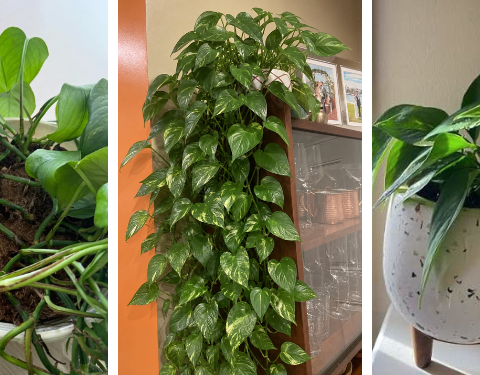
Its cascading vines with heart-shaped leaves thrive in a wide range of light—from low to bright, indirect sunlight—and tolerate occasional missed waterings.
Pothos looks stunning when placed on top of a kitchen cabinet or allowed to trail from a hanging planter. This plant also works hard to clean indoor air of toxins like formaldehyde and benzene.
6. Snake Plant (Sansevieria trifasciata)
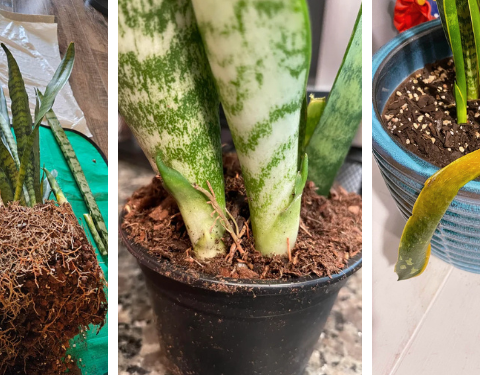
The snake plant, also known as mother-in-law’s tongue, is an excellent choice for kitchens due to its resilience and vertical growing habit.
Its tall, upright leaves add a modern, architectural element to kitchen décor. Snake plants can thrive in low-light environments and need very little water—making them ideal for corners or countertops that don’t receive much sunlight.
They are also known for improving indoor air quality by absorbing toxins and converting carbon dioxide to oxygen at night.
7. ZZ Plant (Zamioculcas zamiifolia)
The ZZ plant is another robust, low-maintenance houseplant perfect for kitchens. With its waxy, deep green leaves and compact shape, it makes a striking visual statement on shelves or islands.
It tolerates low light and infrequent watering, which means it can survive even the busiest kitchen environments.
The ZZ plant also resists pests and is one of the best options for those with little time to dedicate to plant care.
8. Cast Iron Plant (Aspidistra elatior)
True to its name, the cast iron plant is practically indestructible. It can handle low light, fluctuating temperatures, humidity, and even occasional neglect—conditions often found in busy kitchens.
Its dark green, upright leaves give it a bold presence in any kitchen space. While it doesn’t offer flowers or fragrance, its sheer durability and air-purifying qualities make it a valuable addition to your indoor garden.
9. Chinese Evergreen (Aglaonema)
Chinese evergreen is a stylish houseplant with broad, variegated leaves that range from silvery-green to pink and red tones.
It thrives in low to medium light and prefers consistently moist but not soggy soil. Its compact growth makes it a suitable plant for countertops or corners.
This plant is also one of NASA’s top-rated air purifiers, helping to remove indoor toxins and promote a fresher kitchen environment.
10. Peace Lily (Spathiphyllum)
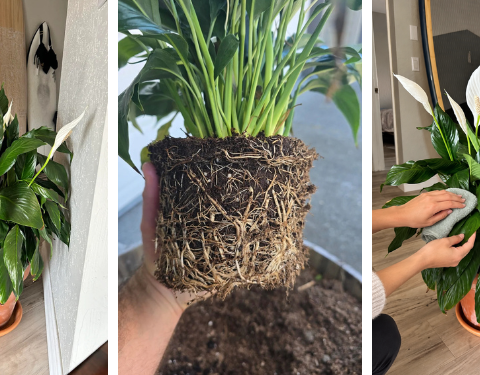
The peace lily is not only one of the most elegant indoor plants, but it also has one of the best reputations for filtering airborne pollutants.
Its white, sail-like flowers and glossy green leaves add a touch of class to any kitchen setting. Peace lilies prefer low to medium light and should be watered when the top inch of soil feels dry.
They also thrive in the higher humidity typically found in kitchens, making them ideal for the space.
11. Peperomia
Peperomia is a compact, decorative plant that comes in a wide variety of leaf shapes, textures, and colors—ranging from green and silver to red and purple hues.
These houseplants are perfect for kitchen spaces due to their small size and low-maintenance nature. Peperomias prefer moderate to bright indirect light and should be watered sparingly.
Their striking appearance and resilience make them an excellent choice for shelves, windowsills, or plant groupings.
12. Air Plants (Tillandsia)
If you’re short on counter or shelf space, air plants are a creative and space-saving solution. These unique plants don’t require soil to grow and absorb moisture and nutrients through their leaves.
You can display them in hanging glass terrariums, mounted on wood, or tucked into decorative bowls. They thrive in bright, indirect light and benefit from a weekly misting or quick soak in water.
Air plants bring a modern, artistic flair to kitchens and are virtually mess-free.
Decorating your kitchen with houseplants is more than just a trend—it’s a way to create a calming, healthy, and vibrant space in the most-used room of your home.
From air-purifying champions like spider plants and snake plants to functional herbs that boost your cooking, there’s a perfect plant for every kitchen style and size.
When choosing houseplants for your kitchen, consider the light levels, space availability, and how much maintenance you’re willing to commit to.