

As more of us spend time indoors—whether working, relaxing, or sleeping—indoor air quality has become a growing concern.
The air inside our homes can often be more polluted than outdoor air, thanks to the invisible chemicals released from common household products and furnishings.
If you’re looking for a natural and affordable way to detoxify your living space, look no further than houseplants.
Certain indoor plants act as living air filters, helping to remove harmful toxins while also adding beauty, calm, and a touch of nature to your home.
What’s in Our Indoor Air?
Many modern homes are filled with synthetic materials and products that release volatile organic compounds (VOCs).
These harmful chemicals are commonly found in:
-
Formaldehyde: Found in carpets, pressed wood furniture, upholstery, glues, paints, and household cleaners.
-
Benzene: Present in plastics, synthetic fibers, rubber, tobacco smoke, and detergents.
-
Trichloroethylene: Used in paints, varnishes, adhesives, and rug-cleaning solutions.
-
Xylene: Found in paint thinners, rubber products, and vehicle exhaust.
-
Ammonia: Common in window cleaners, floor waxes, and fertilizers.
Health Risks of Poor Indoor Air Quality
Exposure to these airborne toxins can cause a variety of health problems, including:
-
Allergies and respiratory irritation
-
Headaches and dizziness
-
Fatigue and trouble concentrating
-
Irritated eyes, nose, and throat
-
Long-term risks: Prolonged exposure to VOCs has been linked to liver and kidney damage, nervous system disorders, and even certain types of cancer.
Fortunately, nature offers a beautiful solution. According to NASA’s Clean Air Study, many indoor plants can absorb these toxins through their leaves and roots, making them natural air-purifiers.
Here are 12 easy-to-care-for houseplants that help improve air quality while brightening up your home.
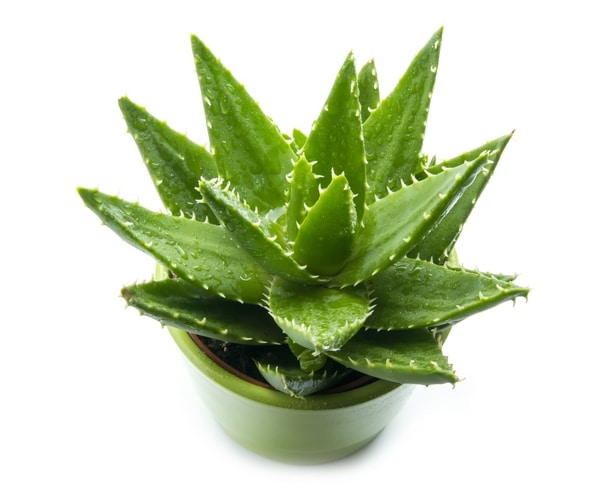
1. Aloe Vera (Aloe barbadensis miller)
Not only is aloe famous for its healing gel that soothes cuts and burns, but it’s also effective at removing formaldehyde and benzene from the air—two common VOCs found in paints and cleaning products.
-
Light: Prefers bright, indirect sunlight.
-
Water: Allow soil to dry out between waterings.
-
Bonus: Also works as a natural remedy for skin issues.
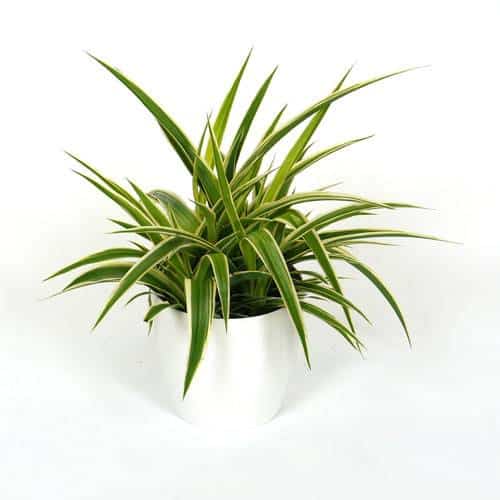
2. Spider Plant (Chlorophytum comosum)
The spider plant is a hardy, beginner-friendly choice that’s great for hanging baskets or tabletops.
It removes formaldehyde, carbon monoxide, benzene, and xylene, making it one of the most effective all-around purifiers.
-
Light: Thrives in moderate to bright, indirect sunlight.
-
Water: Water regularly; allow top inch of soil to dry out between watering.
-
Bonus: Non-toxic to pets and propagates easily.
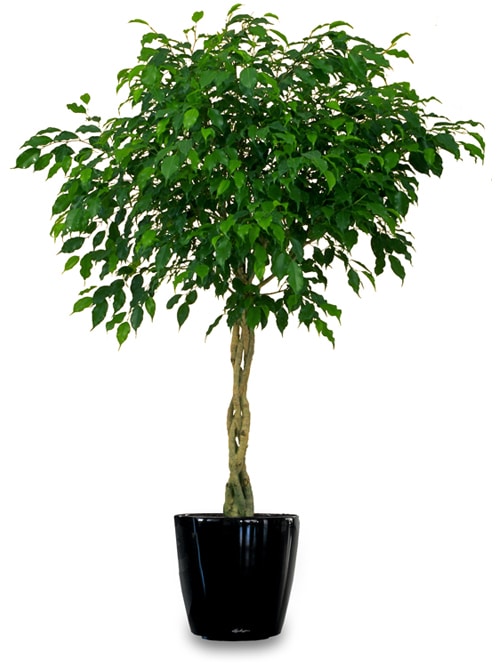
3. Weeping Fig (Ficus benjamina)
The elegant weeping fig is known for filtering out formaldehyde, benzene, and trichloroethylene.
While it can be a bit fussy, the air-cleansing benefits are worth the effort.
-
Light: Bright, indirect light; avoid drafts.
-
Water: Keep soil evenly moist but not soggy.
-
Tip: Avoid moving the plant frequently, as it dislikes change.
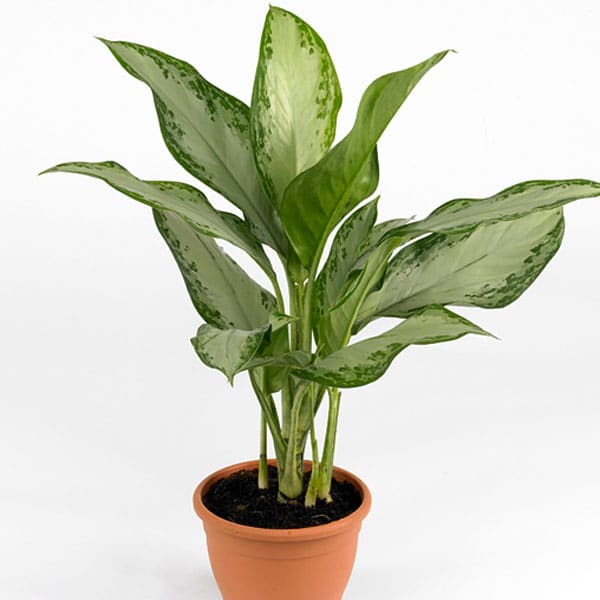
4. Chinese Evergreen (Aglaonema modestum)
One of the easiest plants to care for, Chinese evergreens are known for removing a broad range of pollutants, including formaldehyde and benzene.
-
Light: Tolerates low light, ideal for dim rooms.
-
Water: Water moderately; allow the soil to dry slightly between waterings.
-
Note: Toxic if ingested—keep away from pets and small children.
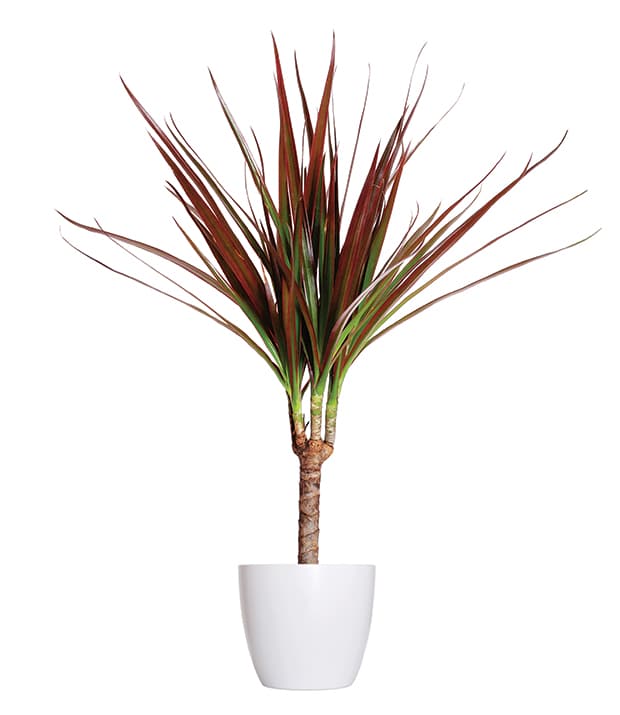
5. Red-Edged Dracaena (Dracaena marginata)
This eye-catching plant with its striking red edges is a powerful detoxifier, especially effective against xylene, trichloroethylene, and formaldehyde.
-
Light: Bright, filtered light.
-
Water: Keep the soil lightly moist; avoid overwatering.
-
Tip: Can grow up to 6 feet tall indoors—perfect for corners and empty walls.
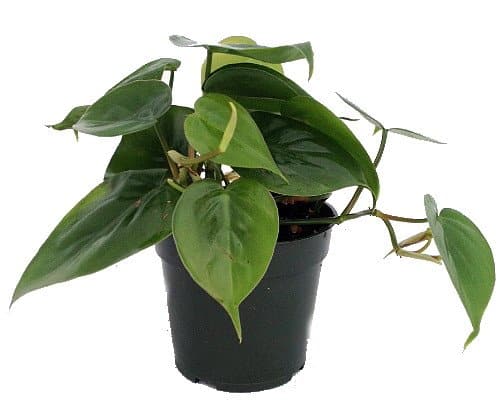
6. Heartleaf Philodendron (Philodendron hederaceum)
This fast-growing trailing plant removes formaldehyde and other indoor toxins. It’s excellent for shelves or hanging planters.
-
Light: Tolerates low light but prefers bright, indirect sun.
-
Water: Water when the top inch of soil is dry.
-
Caution: Toxic to pets and children if ingested.
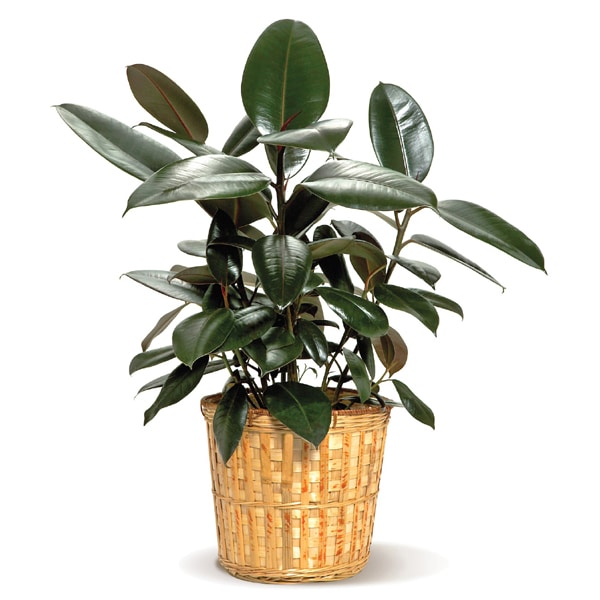
7. Rubber Plant (Ficus elastica)
Another member of the ficus family, the rubber plant is extremely efficient at removing formaldehyde from indoor air.
-
Light: Bright, indirect light.
-
Water: Let the top layer of soil dry between waterings.
-
Bonus: Grows well in cooler temperatures and can handle neglect.
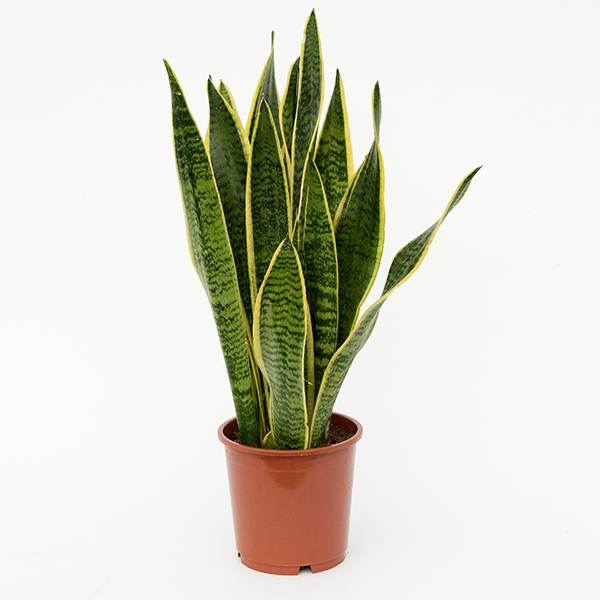
8. Snake Plant (Sansevieria trifasciata ‘Laurentii’)
Also known as the Mother-in-Law’s Tongue, this plant is among the top air-purifying species. It removes formaldehyde and benzene, and uniquely, releases oxygen at night, making it ideal for bedrooms.
-
Light: Low to bright indirect light.
-
Water: Water sparingly; prefers dry conditions.
-
Low Maintenance: Extremely tolerant of neglect and low humidity.
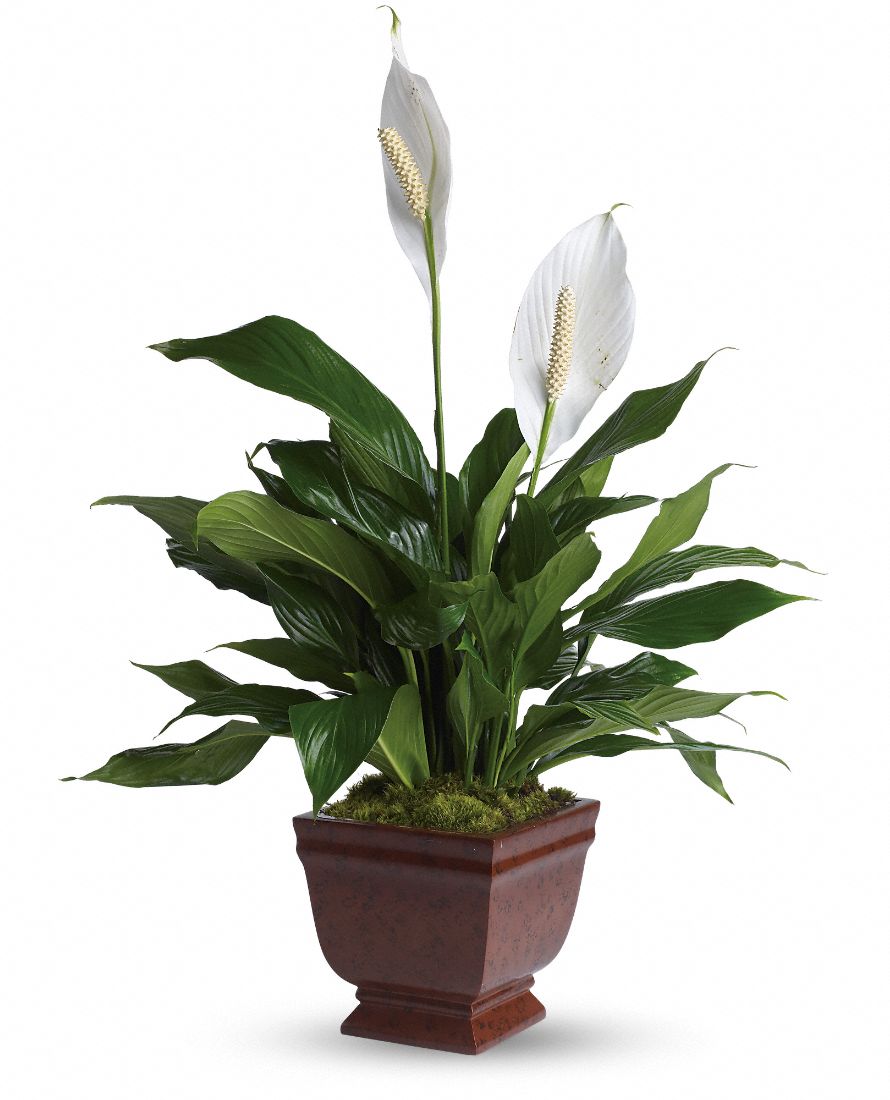
9. Peace Lily (Spathiphyllum ‘Mauna Loa’)
The peace lily is one of NASA’s top-rated plants for removing airborne toxins, including formaldehyde, benzene, and trichloroethylene. It also absorbs mold spores from the air.
-
Light: Low to medium light.
-
Water: Keep soil consistently moist.
-
Caution: Toxic to pets and children—use with care in family homes.
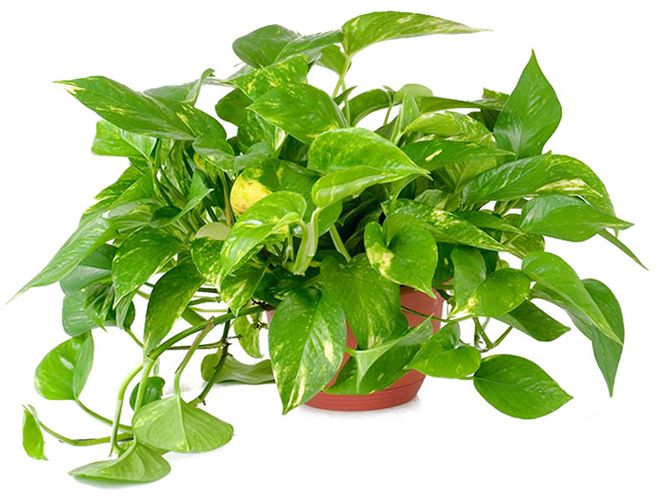
10. Pothos (Epipremnum aureum)
Pothos, also called devil’s ivy, is a vigorous vine that’s excellent for cleaning formaldehyde from furniture and carpets.
-
Light: Low to bright, indirect light.
-
Water: Let soil dry between waterings.
-
Bonus: Fast-growing and easy to propagate.
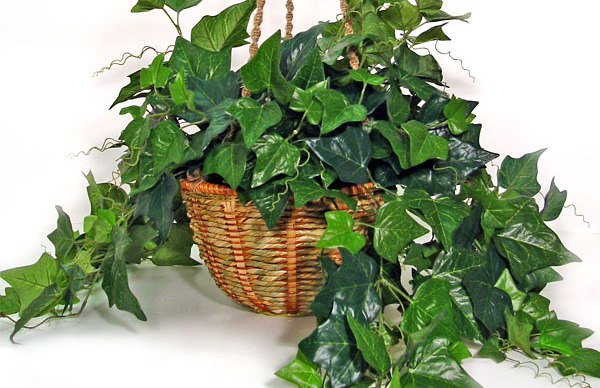
11. English Ivy (Hedera helix)
This trailing vine is not only attractive—it’s also known to reduce airborne fecal particles and mold, making it a great option for bathrooms or homes with pets.
-
Light: Medium to bright indirect light.
-
Water: Keep soil slightly moist.
-
Caution: Can be toxic if ingested—keep out of reach of pets and kids.
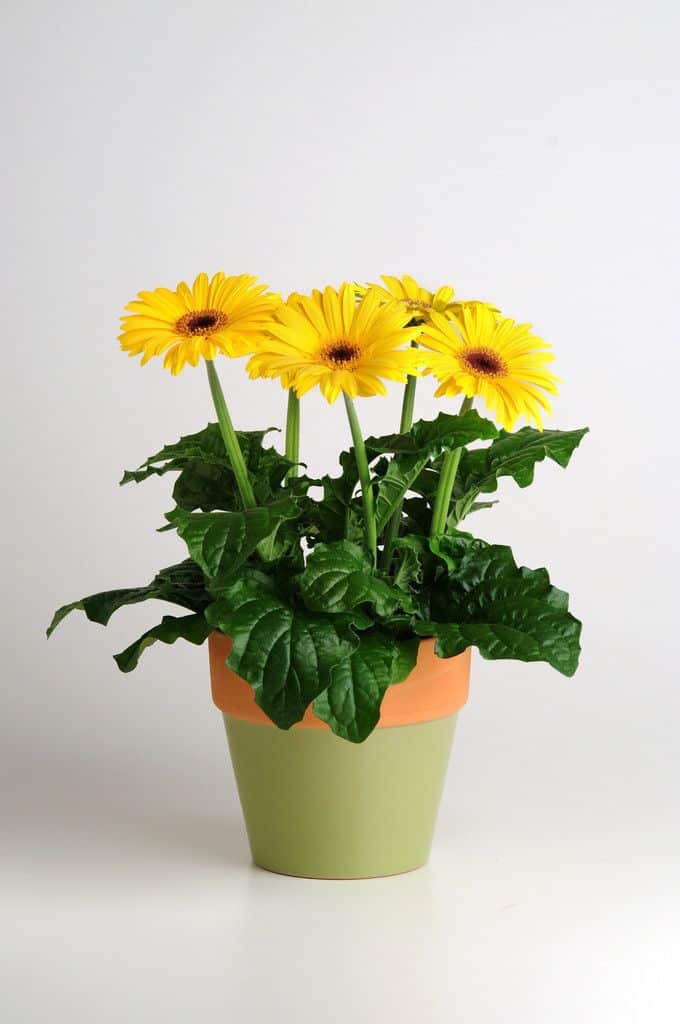
12. Gerbera Daisy (Gerbera jamesonii)
Don’t let its cheerful appearance fool you—this flowering plant is a powerful air cleaner, particularly effective at removing benzene and trichloroethylene.
-
Light: Needs bright light, ideally with a few hours of direct sun.
-
Water: Keep soil evenly moist.
-
Bonus: Adds a splash of color while working hard to clean the air.
Bringing just a few of these air-purifying plants into your home can dramatically improve indoor air quality, while also adding natural beauty and a calming, spa-like ambiance to your space.
Whether you’re designing a green bedroom retreat, refreshing your workspace, or simply wanting to breathe cleaner air, these plants are both practical and stylish choices.
Be sure to choose plants that match your lighting conditions, lifestyle, and pet safety needs—and watch your indoor environment thrive.


