Houseplants add beauty and freshness to any home, but some popular varieties can be hazardous to children and pets.
While many plants improve air quality and boost mood, others contain toxins that can cause irritation, vomiting, or even more severe health issues if ingested.
If you have little ones or furry friends at home, it’s essential to know which plants to avoid or place out of reach.
In this article, we’ll explore 11 common houseplants that are toxic to children and pets, their potential dangers, and safer alternatives to consider.
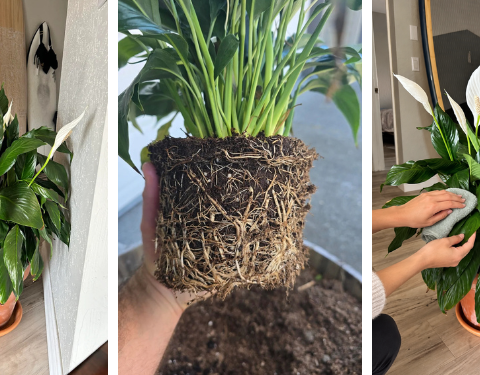
1. Peace Lily (Spathiphyllum)
Why It’s Toxic:
- Contains calcium oxalate crystals, which can cause burning, swelling, and irritation if ingested.
- Can lead to difficulty swallowing, vomiting, and drooling in pets and children.
Safer Alternative:
- Spider Plant (Chlorophytum comosum) – Non-toxic and air-purifying.
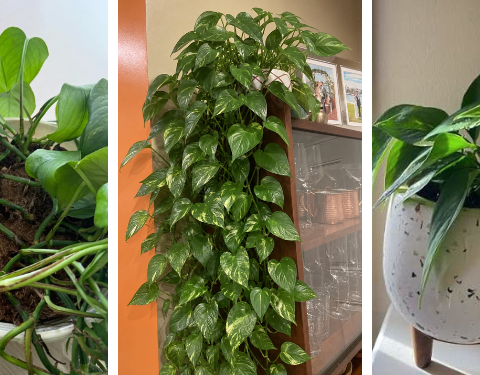
2. Pothos (Epipremnum aureum)
Why It’s Toxic:
- Contains insoluble calcium oxalates, leading to oral irritation, swelling, and digestive discomfort.
- In pets, symptoms include vomiting, excessive drooling, and pawing at the mouth.
Safer Alternative:
- Boston Fern (Nephrolepis exaltata) – Safe for both kids and pets.
3. Dieffenbachia (Dumb Cane)
Why It’s Toxic:
- The sap contains oxalates and proteolytic enzymes, causing severe irritation, swelling, and difficulty breathing if ingested.
- Can lead to temporary loss of speech if chewed, hence the name “Dumb Cane.”
Safer Alternative:
- Areca Palm (Dypsis lutescens) – A pet-friendly, tropical alternative.
4. Philodendron
Why It’s Toxic:
- Contains calcium oxalates, which cause oral irritation, swelling, vomiting, and excessive drooling.
- All parts of the plant are toxic to cats, dogs, and small children.
Safer Alternative:
- Calathea (Calathea spp.) – Beautiful, patterned foliage without toxicity concerns.
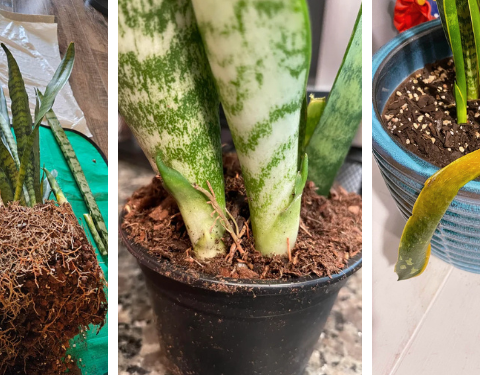
5. Snake Plant (Sansevieria trifasciata)
Why It’s Toxic:
- Contains saponins, which can cause nausea, vomiting, and diarrhea in pets and mild irritation in humans.
- Can lead to lethargy and stomach discomfort in cats and dogs.
Safer Alternative:
- Cast Iron Plant (Aspidistra elatior) – Hardy, pet-safe, and low maintenance.
6. Oleander (Nerium oleander)
Why It’s Toxic:
- One of the most toxic houseplants, containing cardiac glycosides that affect the heart.
- Ingestion can lead to irregular heart rhythms, vomiting, and even death.
Safer Alternative:
- Hibiscus (Hibiscus rosa-sinensis) – Beautiful, flowering, and non-toxic.
7. ZZ Plant (Zamioculcas zamiifolia)
Why It’s Toxic:
- Contains calcium oxalates, leading to skin irritation, oral discomfort, and digestive distress.
- Not deadly but can cause significant irritation.
Safer Alternative:
- Parlor Palm (Chamaedorea elegans) – Elegant, non-toxic, and easy to care for.
8. Sago Palm (Cycas revoluta)
Why It’s Toxic:
- Contains cycasin, a toxin that can cause liver failure, vomiting, diarrhea, and seizures.
- Extremely toxic, even in small amounts.
Safer Alternative:
- Areca Palm (Dypsis lutescens) – Non-toxic and provides a similar aesthetic.
9. English Ivy (Hedera helix)
Why It’s Toxic:
- Contains triterpenoid saponins, which can cause severe digestive issues, difficulty breathing, and skin irritation.
- More dangerous if ingested in large amounts.
Safer Alternative:
- Swedish Ivy (Plectranthus verticillatus) – A non-toxic, trailing alternative.
10. Croton (Codiaeum variegatum)
Why It’s Toxic:
- The sap is highly irritating, leading to skin rashes and digestive distress.
- Can cause nausea, vomiting, and drooling in pets.
Safer Alternative:
- Prayer Plant (Maranta leuconeura) – Colorful foliage with no toxicity risks.
11. Calla Lily (Zantedeschia spp.)
Why It’s Toxic:
- Contains calcium oxalate crystals, leading to severe throat irritation, swelling, and pain.
- Can cause excessive drooling and vomiting in pets.
Safer Alternative:
- African Violet (Saintpaulia) – Bright, pet-friendly flowers.
Tips for Keeping a Safe Home with Houseplants
If you already have toxic houseplants, consider these precautions:
- Keep plants out of reach – Place them on high shelves or use hanging planters.
- Monitor pets and children – Train pets not to chew on leaves, and educate kids about plant safety.
- Choose safe alternatives – Opt for non-toxic varieties whenever possible.
- Know emergency contacts – Keep your vet’s number handy and know your local poison control hotline.
While houseplants add a touch of greenery and improve indoor air quality, some can pose serious risks to children and pets.
By choosing safer alternatives or taking precautions, you can enjoy a lush home without compromising the safety of your loved ones.