If you love gardening but live in an apartment or have a busy lifestyle, growing succulents is the perfect hobby for you.
These low-maintenance, drought-resistant plants will add beauty to your home with their unique shapes, textures, and colors. With just a little care, your apartment can turn into a mini indoor oasis filled with these fascinating plants.
Succulents come in many different varieties, and this guide will help you understand why they are a great choice for indoor gardening, how to care for them, and which ones are best for your space.
Why You Should Grow Succulents
Succulents are one of the easiest houseplants to grow. They require minimal attention and thrive in conditions where other plants struggle. Here’s why they make the perfect addition to your indoor space:
Low Water Needs: Succulents store water in their thick leaves, stems, and roots, allowing them to survive in dry environments with infrequent watering.
Unique & Sculptural Appeal: Their strong, geometric leaves and vibrant colors make them living works of art that complement any interior design.
Tolerant of Dry Indoor Air: During the winter, most houseplants struggle due to low humidity, but succulents adapt well to dry air, making them ideal for apartment living.
Space-Saving & Versatile: Many succulents are small and compact, making them perfect for windowsills, shelves, and desks. They can also be grown in hanging baskets, wall planters, or terrariums.
Purifies Indoor Air: Some succulent varieties help filter air pollutants, contributing to a healthier indoor environment.
How to Care for Succulents Indoors
Although succulents are hardy, they still require some basic care to flourish indoors. Follow these essential tips:
1. Provide Enough Sunlight
Succulents need at least 6 hours of bright, indirect sunlight daily. Place them near a south or east-facing window for best results. If you don’t get enough natural light, consider using a grow light to keep your plants healthy.
Tip: If you notice your succulent stretching or leaning toward the light, it may not be getting enough sun.
2. Avoid Overwatering
Succulents do not like wet soil. Water only when the soil is completely dry—this typically means watering once every 1-2 weeks. During winter, they require even less water.
Tip: Always use well-draining soil and pots with drainage holes to prevent root rot.
3. Choose the Right Soil & Pot
Use a cactus or succulent potting mix that drains quickly. Avoid regular garden soil, as it retains too much moisture. Terracotta or clay pots are the best choices since they allow excess moisture to evaporate.
Tip: Add sand or perlite to the soil for better drainage.
4. Maintain Proper Temperature & Humidity
Succulents thrive in temperatures between 60-80°F (15-27°C). Avoid placing them near cold drafts or heating vents, as extreme temperature fluctuations can cause stress.
Tip: Keep humidity levels low to prevent fungal diseases.
1. Aloe Vera (Aloe Vera) – The Healing Succulent
Why Grow It? Known for its medicinal properties, Aloe Vera soothes burns, skin irritations, and scrapes.
Care Tips: Prefers bright, indirect light; water when the soil is fully dry.
Fun Fact: Native to Northeast Africa, Aloe Vera grows slowly and reaches 1-2 feet tall.
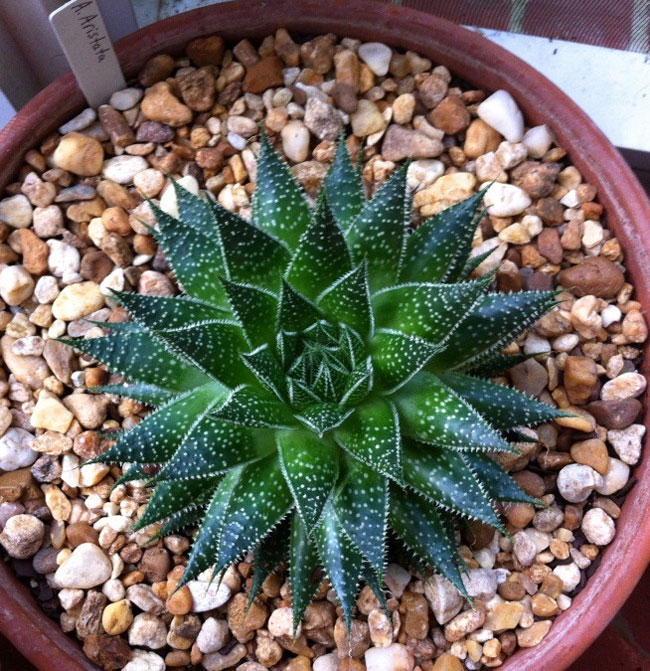
2. Zebra Plant (Haworthia fasciata) – The Striped Beauty
Why Grow It? Its white-striped leaves resemble zebra patterns, making it a striking plant.
Care Tips: Thrives in bright, indirect light; repot every 12-24 months.
Fun Fact: This South African plant only grows 5-6 inches tall, making it perfect for small spaces.
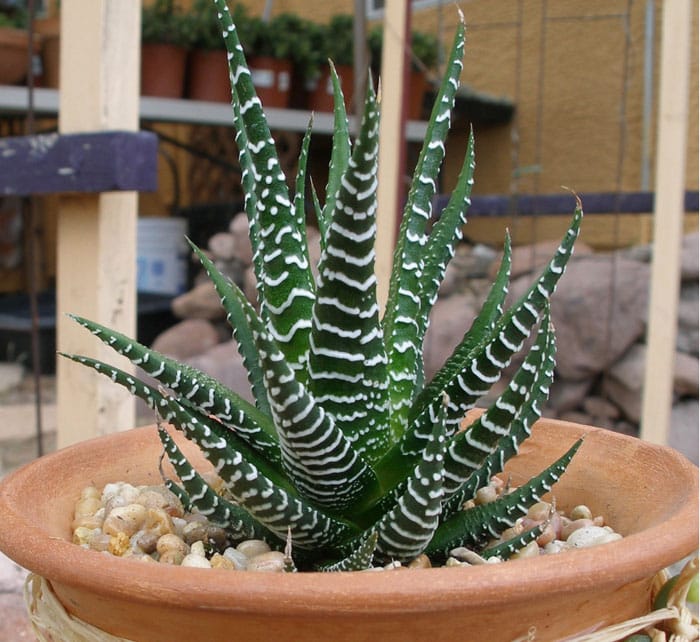
3. Ponytail Palm (Beaucarnea recurvata) – The Lazy Gardener’s Favorite
Why Grow It? A slow-growing, drought-tolerant succulent that requires minimal attention.
Care Tips: Prefers bright light; only water when the soil almost completely dries out.
Fun Fact: Can reach up to 8 feet indoors!
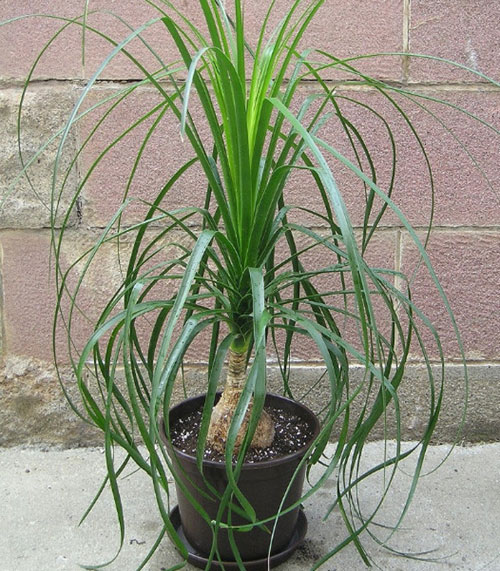
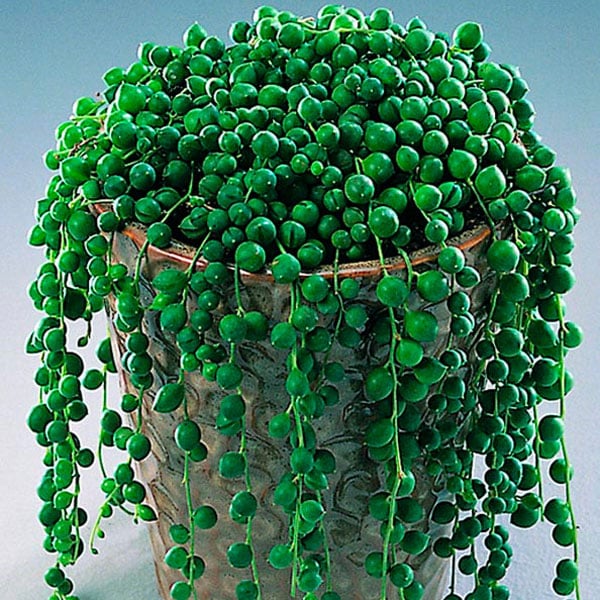
4. String of Pearls (Senecio rowleyanus) – The Trailing Succulent
Why Grow It? Features small green beads that dangle like a necklace—perfect for hanging planters.
Care Tips: Needs bright light; water sparingly.
Fun Fact: Native to Southwestern Africa, this succulent grows quickly.
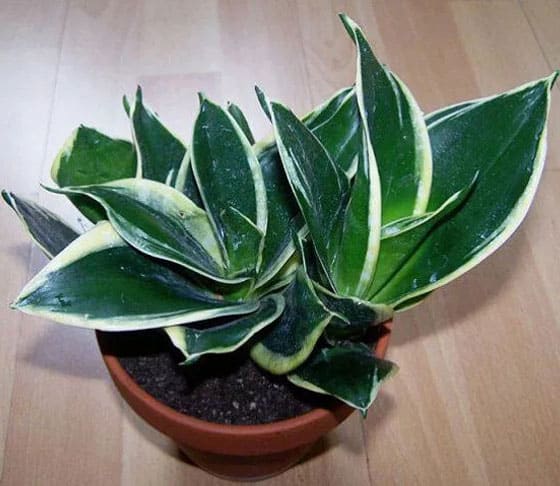
5. Bird’s Nest Sansevieria (Sansevieria trifasciata ‘Hahnii’)
Why Grow It? Requires very little light and tolerates dry indoor air.
Care Tips: Allow the top inch of soil to dry before watering.
Fun Fact: It doesn’t like drafts or heating vents.
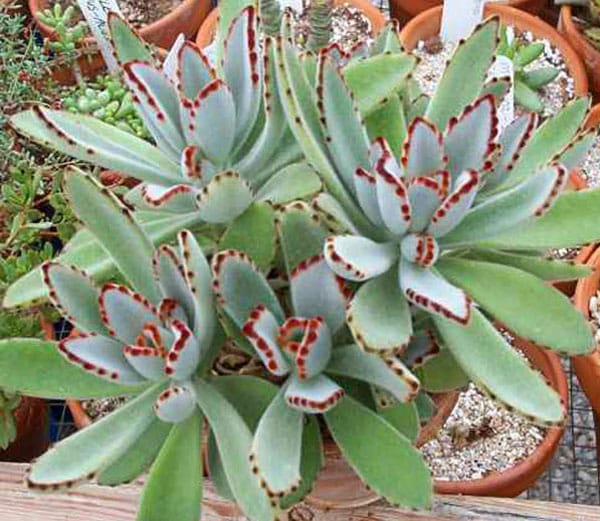
6. Panda Plant (Kalanchoe tomentosa)
Why Grow It? Its fuzzy, soft leaves with dark red tips make it unique.
Care Tips: Prefers bright, indirect light; water only when soil is dry.
Fun Fact: Grows 12-18 inches tall.
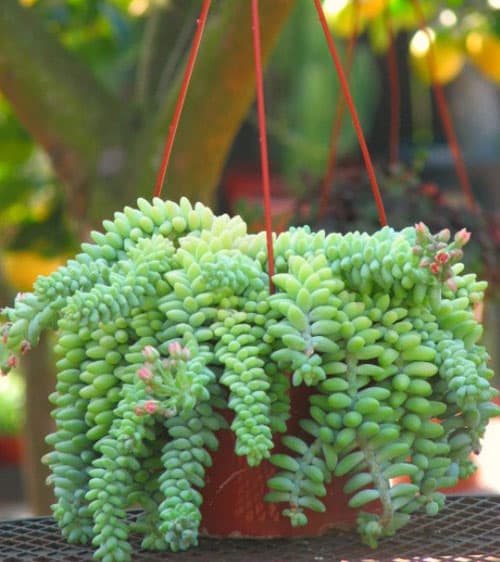
7. Burro’s Tail (Sedum morganianum)
Why Grow It? A trailing succulent perfect for hanging baskets.
Care Tips: Prefers medium to high light; leaves are fragile, so handle carefully.
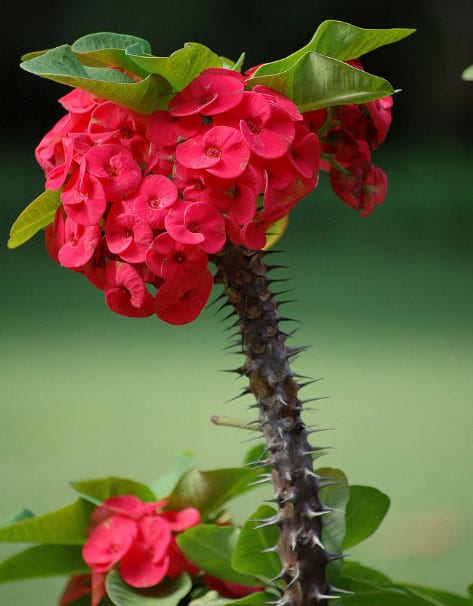
8. Crown of Thorns (Euphorbia milii)
Why Grow It? Blooms year-round with bright flowers!
Care Tips: Water when the top inch of soil dries.
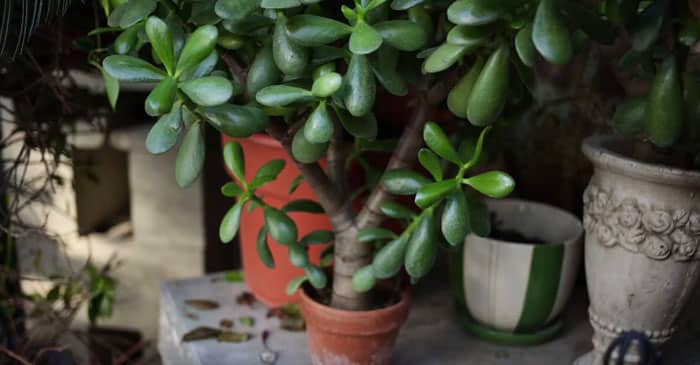
9. Jade Plant (Crassula ovata)
Why Grow It? A symbol of prosperity and one of the easiest succulents to grow.
Care Tips: Requires little water and rarely needs repotting.
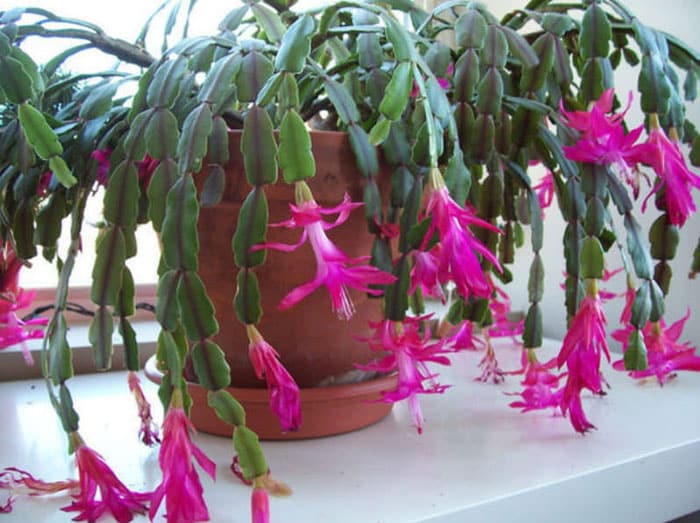
10. Christmas Cactus (Schlumbergera x buckleyi)
Why Grow It? Produces beautiful pink or red flowers in winter!
Care Tips: Needs medium to high light; allow soil to dry between watering.
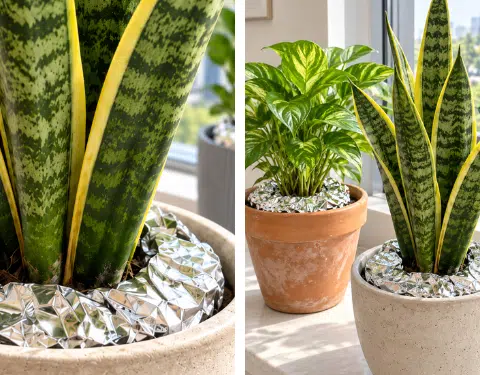
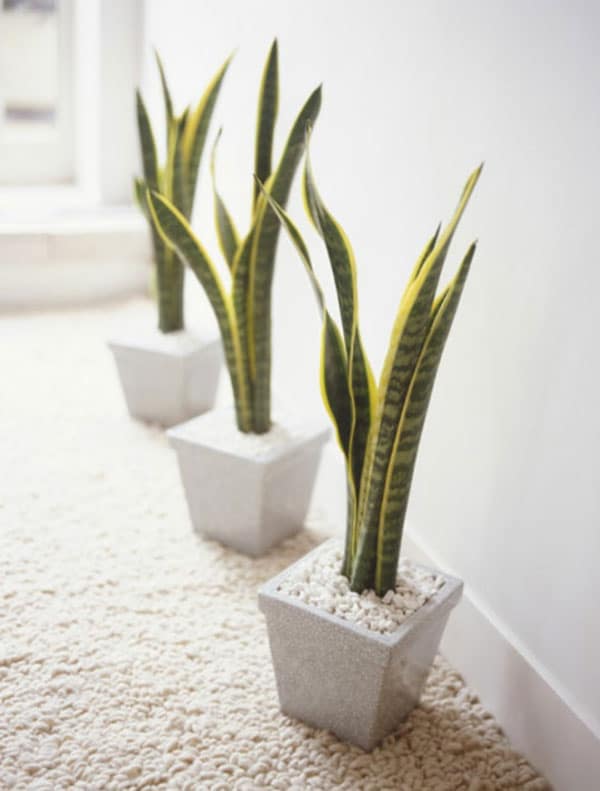
11. Snake Plant (Sansevieria trifasciata)
Why Grow It? One of the hardiest succulents—requires very little care.
Care Tips: Let soil dry completely before watering.
Growing succulents indoors is fun, rewarding, and easy! With minimal effort, you can enjoy vibrant, sculptural greenery that purifies the air and adds elegance to your home.
Pick a few succulents from this list, follow our care tips, and watch your indoor garden thrive!