Cucumbers are one of the easiest and most productive garden vegetables, but they’re also surprisingly sensitive to certain plant neighbors.
Where you place your cucumbers can significantly influence their growth, disease resistance, flavor, and overall yield.
Some vegetables compete for nutrients, attract harmful pests, or spread diseases that cucumbers are especially vulnerable to.
Others, however, act as natural protectors – repelling insects, conserving moisture, and improving pollination.
Whether you’re planting in raised beds, containers, or a backyard garden, knowing which vegetables to avoid and which ones to pair with cucumbers can completely transform your harvest.
Here are 10 vegetables you should never plant with cucumbers – and 5 excellent companions that help them thrive.
Why Companion Planting Matters for Cucumbers
Cucumbers are heavy feeders, moisture-loving, and prone to pests like cucumber beetles, squash bugs, and aphids.
They’re also susceptible to fungal diseases, powdery mildew, and root competition.
Companion planting can influence:
- nutrient availability
- root space
- moisture levels in the soil
- pest pressure
- disease spread
- pollination
- overall plant vigor
Choosing the right neighbors helps cucumbers grow faster, stay healthier, and produce more fruit.
10 Vegetables You Should Never Plant With Cucumbers
These vegetables compete, interfere, or cause issues that cucumbers struggle to overcome.
1. Potatoes
Potatoes and cucumbers compete heavily for nutrients, but the bigger issue is disease. Potatoes are prone to blight and other soilborne pathogens that can spread easily to cucumbers.
Because both crops require rich soil and steady moisture, they stress each other and reduce yields on both sides.
2. Melons (Cantaloupe, Watermelon, Honeydew)
Cucumbers and melons attract the same pests – especially cucumber beetles – and share similar fungal diseases such as powdery mildew.
Planting them together creates a magnet for pests and more rapid disease spread. Both plants also want the same nutrients, so they battle for resources.
3. Pumpkins
Pumpkins are aggressive growers and heavy feeders, capable of overtaking cucumbers easily. They also attract squash bugs and beetles that can destroy cucumber vines quickly.
Since they cross-attract pests, keeping them apart reduces overall garden stress.
4. Zucchini & Summer Squash
Zucchini and cucumbers are closely related and share nearly identical pests and diseases. Powdery mildew spreads instantly between them.
Their large leaves also shade cucumber vines, causing poor fruit development and lower yields.
5. Winter Squash (Butternut, Acorn, Spaghetti Squash)
Like pumpkins and zucchini, winter squash creates dense vines that compete strongly for space and nutrients.
They also host squash vine borers and beetles – two pests cucumbers suffer immensely from.
6. Sage
Sage is a strong-smelling herb, but unlike basil or dill, it doesn’t benefit cucumbers. Its potent oils can stunt cucumber growth and interfere with root development.
Sage prefers dry soil, while cucumbers demand steady moisture – making them incompatible neighbors.
7. Fennel
Fennel secretes allelopathic compounds that inhibit the growth of many vegetables, including cucumbers.
These chemicals slow root expansion and reduce fruiting. Almost all crops grow poorly near fennel.
8. Tomatoes
Tomatoes and cucumbers are both vining, nutrient-hungry plants that compete aggressively for nitrogen and potassium.
They are also both prone to blight and fungal diseases. Crowding these two crops increases humidity, encourages pests like whiteflies, and reduces airflow.
9. Brassicas (Cabbage, Broccoli, Cauliflower, Kale, Brussels Sprouts)
Brassicas and cucumbers struggle as neighbors because brassicas are heavy feeders and demand high nitrogen. They quickly strip nutrients from the soil, leaving cucumbers weak and pale.
They also attract pests like cabbage worms, which cucumbers do not tolerate well.
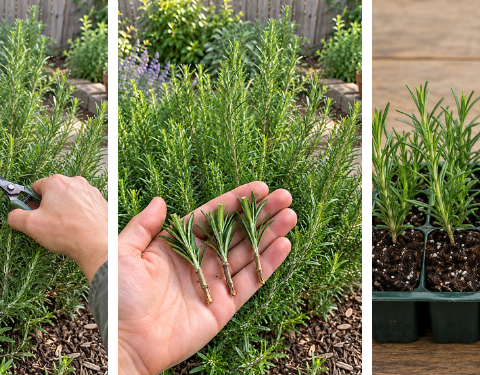
10. Aromatic Herbs (Oregano, Rosemary, Thyme)
Unlike dill or mint, strong woody herbs like rosemary and thyme prefer dry, lean soil conditions. Their root systems and soil preferences clash with cucumber requirements.
Cucumbers planted nearby often show stunted growth or poor fruit set.
5 Vegetables (And Herbs) That Help Cucumbers Thrive
These plants support cucumbers in powerful ways – improving pollination, deterring pests, and enriching the soil.
1. Dill
Dill is one of the best companions for cucumbers. It attracts beneficial insects like predatory wasps, ladybugs, lacewings, and hoverflies – all of which feed on cucumber beetles and aphids.
Dill also enhances cucumber flavor and helps improve pollination rates.
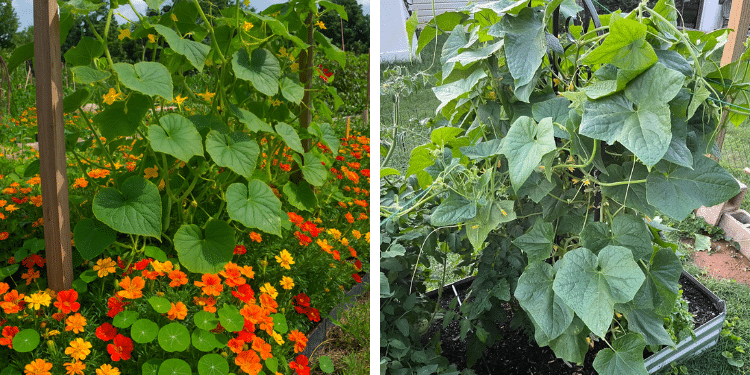
2. Nasturtiums
Nasturtiums act as a living pest trap. They attract aphids, beetles, and whiteflies away from cucumbers and hold them on their own leaves instead.
Their sprawling foliage also helps keep soil cool and moist – exactly what cucumbers need.
3. Radishes
Radishes grow quickly and act as a natural pest repellent. They deter cucumber beetles and loosen compacted soil, helping cucumber roots spread easily.
Some gardeners even plant radishes as a “sacrificial crop” to lure beetles away.
4. Marigolds
Marigolds deter nematodes and many cucumber pests with their natural compounds. They also attract pollinators, improving fruit set.
Their bright flowers bring beneficial insects into the garden, helping cucumbers produce more fruit.
5. Lettuce
Lettuce grows shallow roots, so it doesn’t compete with cucumbers. Instead, its leafy structure shades the soil and helps retain moisture – something cucumbers absolutely love.
Lettuce also matures quickly, allowing succession planting beside cucumber vines.
Bonus Companions Worth Mentioning
While not vegetables, the following plants also support cucumbers:
- Basil: repels flies and beetles
- Mint: deters ants and aphids (plant in pots to prevent spreading)
- Sunflowers: act as natural trellises
- Beans: fix nitrogen into the soil
These companions create a more balanced ecosystem where cucumbers grow stronger and more productive.
Tips for Successful Cucumber Companion Planting
To maximize your cucumber harvest, keep these principles in mind:
- ensure good airflow between plants
- avoid overcrowding – cucumbers need space
- use mulch to maintain moisture
- rotate crops each year to avoid soilborne disease
- separate incompatible plants with physical distance
- mix in quick-growing companions like radishes or lettuce
Companion planting works best when your garden layout supports the natural needs of each plant.
Cucumbers flourish when planted near the right companions – and decline quickly when paired with the wrong ones.