More and more homeowners are turning their yards into edible landscapes, blending beauty with functionality.
Edible landscaping is the practice of growing fruits, nuts, and edible plants that not only enhance your garden’s aesthetics but also provide delicious homegrown food.
If you want a unique, vibrant, and productive yard, consider planting edible trees and shrubs.
These 10 extraordinary varieties will beautify your space while offering fresh, delicious harvests year after year!
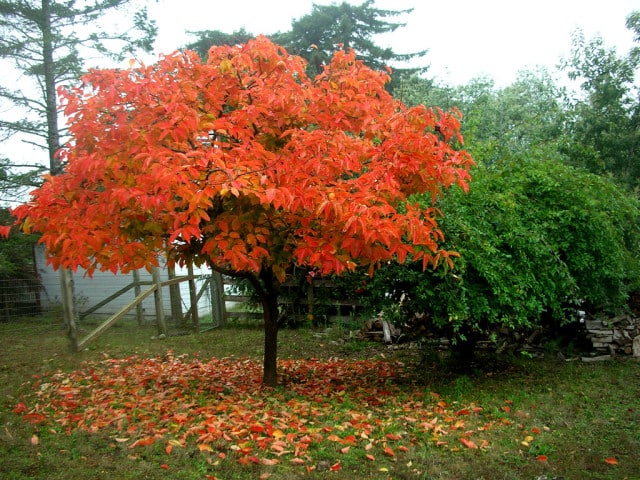
1. Persimmon Tree (Diospyros virginiana & Diospyros kaki)
The persimmon tree is a stunning addition to any yard, offering lush foliage, fragrant blooms, and sweet fruit in the fall.
✅ Why Grow It?
✔️ Produces sweet, honey-like fruit in late autumn.
✔️ Stunning orange foliage in the fall.
✔️ Drought-resistant and low-maintenance once established.
🌱 Best Growing Conditions:
- Hardy in zones 4-9 (varies by variety).
- Prefers full sun and well-drained soil.
- Can grow up to 30 feet tall.
💡 Tip: Harvest after the first frost for the best flavor!
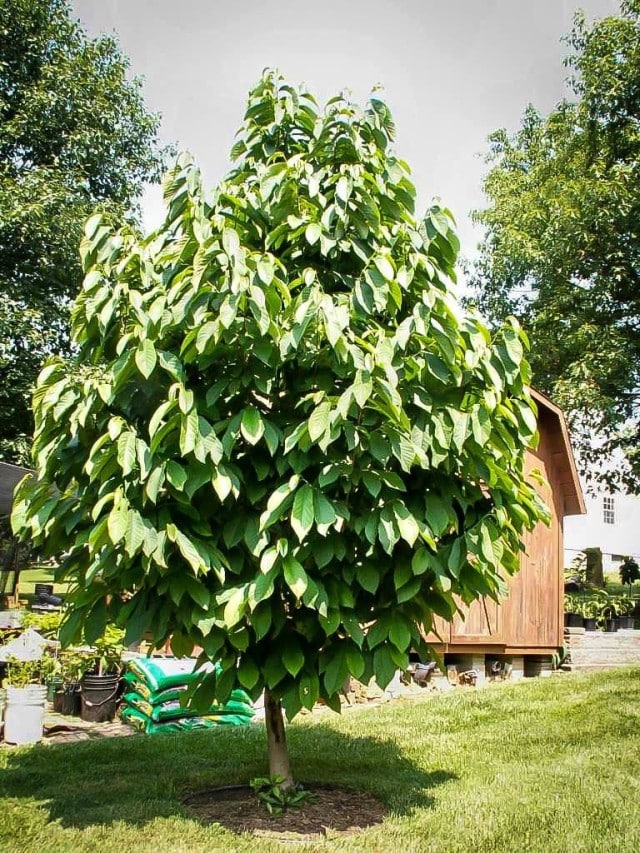
2. Pawpaw (Asimina triloba) – The ‘Indian Banana’
The pawpaw tree is a rare, native North American fruit tree with tropical-flavored fruit similar to banana, mango, and melon.
✅ Why Grow It?
✔️ Produces large, creamy-textured fruit up to 6 inches long.
✔️ Thrives in shaded areas, making it ideal for woodland gardens.
✔️ Extremely cold-hardy for a tropical-tasting fruit.
🌱 Best Growing Conditions:
- Hardy in zones 5-9.
- Prefers partial shade but can tolerate full sun.
- Grows 15-30 feet tall.
💡 Tip: Pawpaws need two trees for pollination—plant at least two for fruit production.
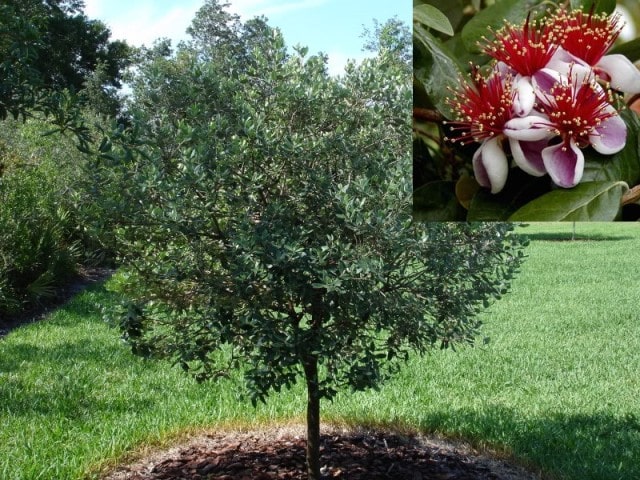
3. Pineapple Guava (Feijoa sellowiana)
This exotic evergreen shrub is both beautiful and productive, offering sweet, fragrant fruit and edible flowers.
✅ Why Grow It?
✔️ Produces delicious, pineapple-flavored fruit.
✔️ Attractive pink-red flowers that are also edible.
✔️ Works as a hedge, ornamental shrub, or container plant.
🌱 Best Growing Conditions:
- Hardy in zones 8-10.
- Prefers full sun to partial shade.
- Can grow 10-15 feet tall but is easily pruned.
💡 Tip: Hand-pollination increases fruit yield if bees are scarce.
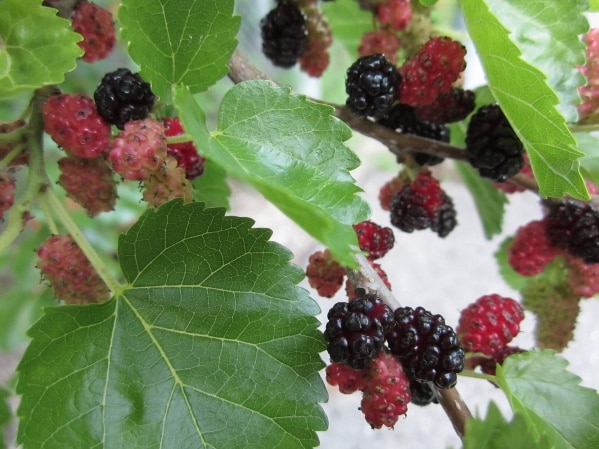
4. Mulberry Tree (Morus spp.)
Mulberry trees are fast-growing, hardy, and prolific fruit producers, making them perfect for home gardens.
✅ Why Grow It?
✔️ Produces delicious, blackberry-like fruit perfect for eating fresh or making jams.
✔️ Attracts birds and beneficial pollinators.
✔️ Tolerates partial shade and poor soil.
🌱 Best Growing Conditions:
- Hardy in zones 5-8.
- Prefers full sun to partial shade.
- Grows up to 35 feet tall, but dwarf varieties are available.
💡 Tip: Harvest by gently shaking the tree to collect ripe berries!
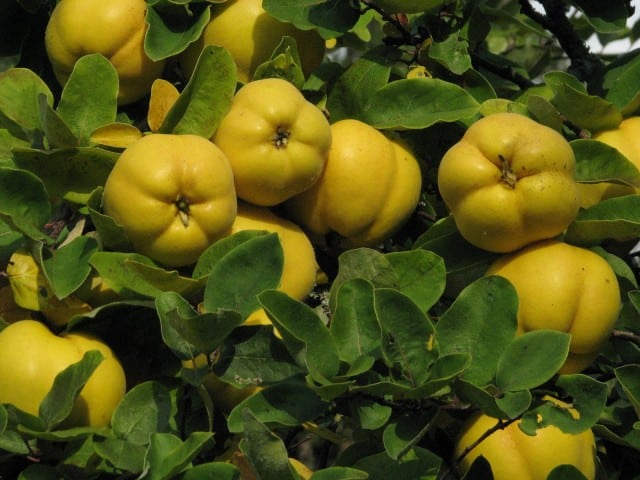
5. Fruiting Quince (Cydonia oblonga)
This ornamental fruit tree is known for its fragrant, golden-yellow fruit, which is perfect for making jams, jellies, and desserts.
✅ Why Grow It?
✔️ Produces large, fragrant fruit with high pectin content for preserves.
✔️ Displays stunning spring blossoms.
✔️ Compact size makes it ideal for small gardens.
🌱 Best Growing Conditions:
- Hardy in zones 5-9.
- Prefers full sun and well-drained soil.
- Grows 10-15 feet tall.
💡 Tip: Let quince fully ripen on the tree before harvesting for the best flavor.
6. Gooseberries & Currants (Ribes spp.)
Gooseberries and currants are cold-hardy, easy-to-grow shrubs that produce tart, juicy berries perfect for baking and preserves.
✅ Why Grow Them?
✔️ High in vitamin C and antioxidants.
✔️ Small, bushy shrubs ideal for hedgerows and containers.
✔️ Available in red, white, or black varieties.
🌱 Best Growing Conditions:
- Hardy in zones 3-8.
- Prefer full sun to partial shade.
- Grow 4-6 feet tall.
💡 Tip: Regular pruning improves fruit production and prevents diseases.
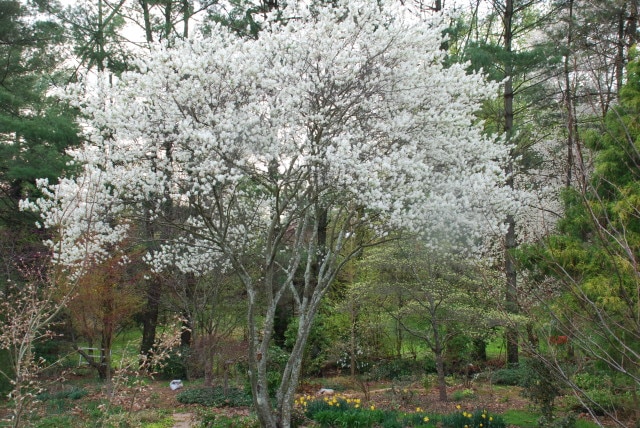
7. Juneberry (Amelanchier spp.)
Also known as serviceberry, Juneberry trees produce delicious, blueberry-like fruits in early summer.
✅ Why Grow It?
✔️ Produces sweet, edible berries perfect for fresh eating or baking.
✔️ Displays gorgeous white spring flowers.
✔️ Cold-hardy and low-maintenance.
🌱 Best Growing Conditions:
- Hardy in zones 3-8.
- Prefers full sun to partial shade.
- Grows 10-20 feet tall.
💡 Tip: Birds love Juneberries, so harvest them early!
8. Hardy Kiwifruit (Actinidia arguta)
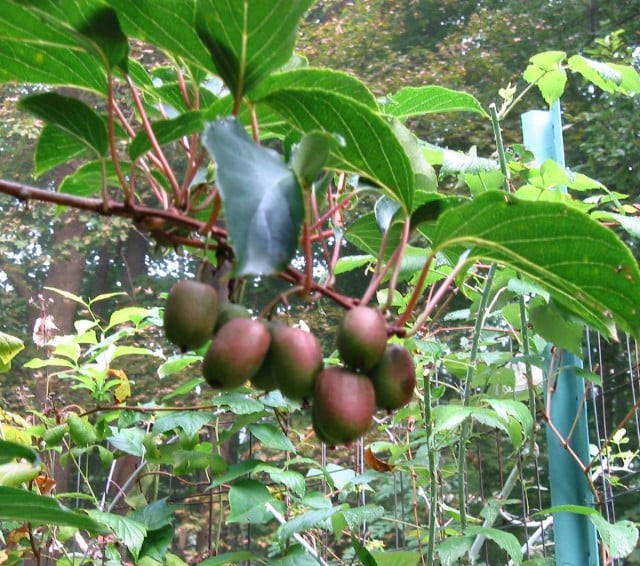
Unlike traditional kiwis, hardy kiwifruit thrives in colder climates and produces grape-sized, smooth-skinned fruit.
✅ Why Grow It?
✔️ Tolerates temperatures as low as -25°F.
✔️ Fast-growing vine that creates beautiful natural screens.
✔️ Produces small, deliciously sweet fruit.
🌱 Best Growing Conditions:
- Hardy in zones 4-9.
- Requires a sturdy trellis for climbing.
- Needs both male and female plants for fruiting.
💡 Tip: Prune regularly to control growth and maximize fruit production.
9. Highbush Cranberry (Viburnum trilobum)
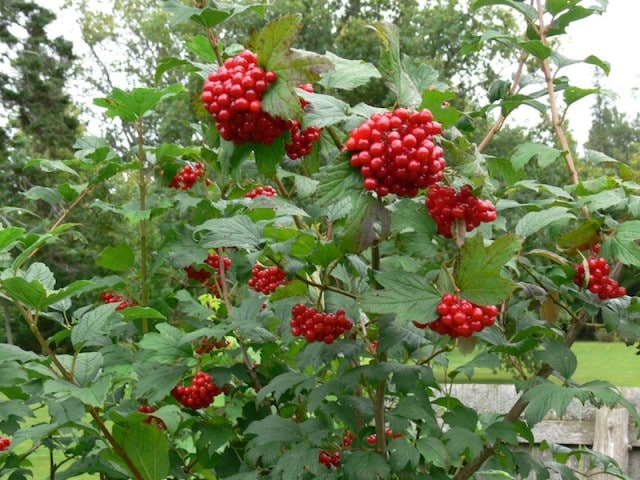
Highbush cranberry is a cold-hardy shrub that produces vibrant red berries, great for making sauces and jams.
✅ Why Grow It?
✔️ Ornamental appeal with white flowers and stunning fall color.
✔️ Hardy in cold climates.
✔️ Produces tart berries rich in vitamin C.
🌱 Best Growing Conditions:
- Hardy in zones 2-7.
- Prefers full sun to partial shade.
- Grows 10-15 feet tall.
💡 Tip: Berries are best harvested after the first frost for enhanced sweetness.
10. Cornelian Cherry (Cornus mas)
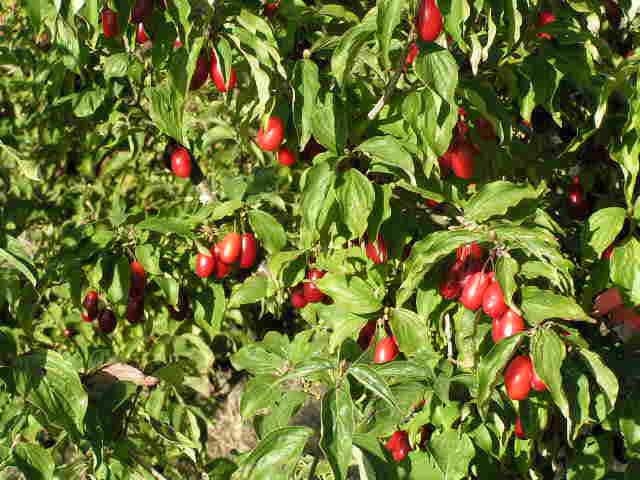
This beautiful small tree is a showstopper in any edible landscape, producing small, tart, cherry-like fruits.
✅ Why Grow It?
✔️ Stunning yellow flowers in early spring.
✔️ Produces nutrient-rich, sour-sweet fruit.
✔️ Resistant to pests and diseases.
🌱 Best Growing Conditions:
- Hardy in zones 5-8.
- Prefers full sun to partial shade.
- Grows 15-25 feet tall.
💡 Tip: Use Cornelian cherry fruit in jams, syrups, and desserts.
Edible trees and shrubs offer beauty, function, and sustainability to any yard. By planting fruit-bearing varieties, you can enjoy fresh, homegrown produce while enhancing your landscape’s natural beauty.