African violets are beloved houseplants known for their beautiful, delicate flowers and vibrant foliage. With the right care, these charming plants can bloom almost continuously throughout the year.
Here are ten essential tips to help you achieve constant blooms from your African violets.

1. Provide Adequate Light
Bright, Indirect Light
African violets thrive in bright, indirect light. Direct sunlight can scorch the leaves, while too little light can prevent blooming.
Tips:
- Place your African violets near an east or north-facing window.
- Use sheer curtains to diffuse intense sunlight.
- Consider using fluorescent or LED grow lights if natural light is insufficient.
2. Maintain Optimal Temperature
Consistent Warmth
African violets prefer a stable environment with temperatures between 65°F and 75°F.
Tips:
- Avoid placing them near drafts, heating vents, or air conditioners.
- Keep them away from cold windows during winter.
3. Water Properly
Bottom Watering
Proper watering is crucial for healthy African violets and continuous blooms.
Tips:
- Water from the bottom to prevent water from getting on the leaves, which can cause spots.
- Use room-temperature water to avoid shocking the roots.
- Allow the soil to dry slightly between waterings.
4. Use the Right Soil Mix
Well-Draining Soil
African violets require a soil mix that is light and well-draining to prevent root rot.
Tips:
- Use a commercial African violet potting mix or make your own by combining peat moss, perlite, and vermiculite.
- Ensure the pot has drainage holes to allow excess water to escape.
5. Fertilize Regularly
Balanced Nutrition
Regular fertilization promotes healthy growth and abundant blooms.
Tips:
- Use a balanced, water-soluble fertilizer formulated for African violets.
- Fertilize every 4-6 weeks during the growing season, reducing frequency in winter.
6. Repot as Needed
Fresh Soil
Repotting helps rejuvenate the plant by providing fresh soil and more room for growth.
Tips:
- Repot your African violets every 6-12 months.
- Choose a pot that is one size larger if the plant has outgrown its current container.
- Remove any dead or damaged leaves during repotting.
7. Maintain Humidity Levels
Humid Environment
African violets prefer a humid environment, which can be challenging to maintain indoors.
Tips:
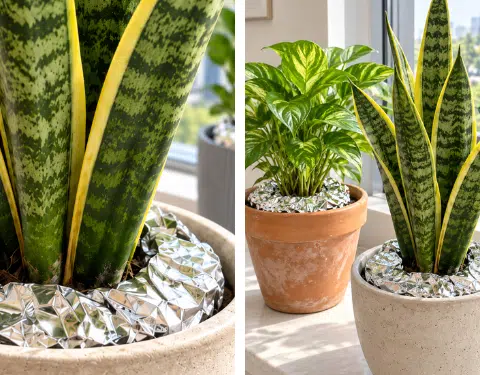
- Place a humidity tray or a shallow dish filled with water and pebbles under the pot.
- Group plants together to increase local humidity.
- Avoid misting the leaves directly to prevent fungal diseases.
8. Prune and Groom Regularly
Remove Spent Blooms
Regular pruning encourages new growth and keeps the plant looking tidy.
Tips:
- Remove spent blooms and yellowing leaves promptly.
- Pinch off any suckers (small shoots) to allow the main plant to thrive.
- Gently clean the leaves with a soft brush to remove dust.
9. Monitor for Pests and Diseases
Healthy Plants
Regular monitoring helps catch problems early before they affect blooming.
Tips:
- Inspect plants regularly for pests like aphids, mites, and mealybugs.
- Treat infestations promptly with insecticidal soap or neem oil.
- Watch for signs of disease, such as leaf spots or rot, and address them immediately.
10. Encourage Flowering
Bloom Boost
Specific techniques can encourage your African violets to bloom more profusely.
Tips:
- Gently brush the foliage with a soft brush to mimic natural movement and stimulate flowering.
- Keep the plant slightly root-bound to encourage blooming.
- Use a bloom-boosting fertilizer with higher phosphorus content occasionally.
With proper care and attention, African violets can bloom almost continuously, adding beauty and charm to your indoor space.
By following these ten tips, you can create an ideal environment for your African violets to thrive and produce abundant flowers.
Enjoy the vibrant colors and delicate blooms of these wonderful plants year-round.