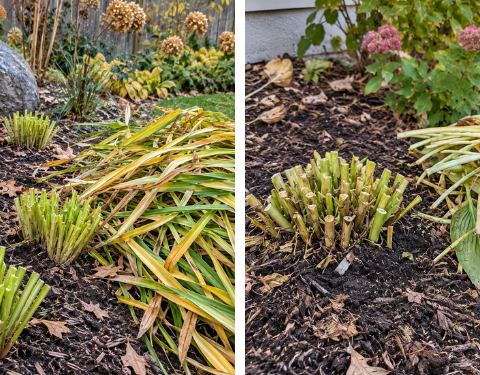
As the days get longer and temperatures rise, your garden needs proper preparation to ensure it thrives during the hot summer months.
The transition from spring to summer is a crucial time for your plants, and the actions you take now will set the stage for a lush, productive, and pest-free garden.
A well-prepared garden will resist drought, withstand heat, produce abundant vegetables, and bloom vibrantly all season long.
To help you get ready, here are 10 essential gardening tasks to complete now for a successful and beautiful summer garden!
1. Clean Up and Prepare Your Garden Beds
Before planting summer crops, it’s important to clear out old debris and refresh your garden beds.
What to Do:
Remove weeds – Weeds compete with your plants for nutrients, sunlight, and water.
Pull out dead plants – Remove any old, diseased, or unwanted plants that may harbor pests.
Loosen compacted soil – Use a garden fork or tiller to aerate and prepare the soil for new growth.
Add compost – Enrich the soil with organic compost, aged manure, or nutrient-rich mulch.
Note: Don’t leave debris in your garden! Dead plants and weeds can attract pests and diseases.
2. Prune Spring Plants and Trees
Early summer is the perfect time to prune certain plants to encourage healthy growth and maximize flowering and fruit production.
What to Prune:
Dead branches – Remove any winter-damaged limbs from trees and shrubs.
Spring-blooming plants – Trim back lilacs, forsythia, azaleas, and other spring-blooming shrubs after flowering.
Overgrown perennials – Cut back leggy stems to encourage fresh, compact growth.
Deadhead flowers – Removing spent blooms encourages continuous flowering throughout the season.
Note: Avoid pruning summer-blooming plants too early—they need time to develop buds
3. Test and Improve Your Soil
Soil health is essential for a productive summer garden. Before planting, test and amend your soil to ensure optimal growing conditions.
How to Improve Soil Health:
Test soil pH – Most summer vegetables prefer a slightly acidic to neutral pH (6.0–7.0).
Adjust soil pH – Add lime to raise pH or sulfur to lower it.
Enrich the soil – Mix in compost, organic fertilizers, or aged manure for extra nutrients.
Improve drainage – If the soil holds too much water, mix in sand or perlite to enhance aeration.
Note: Avoid using chemical fertilizers excessively—they can damage soil health in the long run.
4. Plant Summer Vegetables and Flowers
Now is the perfect time to plant heat-loving crops and summer-flowering plants.
Best Vegetables to Plant Now:
✔️ Tomatoes
✔️ Peppers
✔️ Cucumbers
✔️ Squash
✔️ Beans
✔️ Corn
✔️ Eggplant
Best Flowers for Summer Blooms:
✔️ Marigolds (Great for repelling pests!)
✔️ Sunflowers (Attracts pollinators)
✔️ Petunias (Low maintenance and colorful)
✔️ Zinnias (Heat-tolerant and long-blooming)
✔️ Dahlias (Adds a stunning focal point to gardens)
Note: Don’t delay planting! Many summer crops need time to establish before the peak summer heat.
5. Set Up an Efficient Watering System
As temperatures rise, your plants will need consistent watering to stay hydrated and healthy.
Watering Tips for Summer:
Install a drip irrigation system – Conserves water and delivers moisture directly to plant roots.
Use mulch – Helps retain moisture and prevents rapid evaporation.
Water early or late – Water in the morning or evening to prevent water loss.
Collect rainwater – Use rain barrels to store water for dry spells.
Note: Avoid watering during the hottest part of the day—it wastes water and can scorch plants.
6. Apply Mulch to Retain Moisture and Suppress Weeds
Mulching is one of the best things you can do to protect your garden from summer heat.
Best Mulch Options:
✔️ Straw (Great for vegetable gardens)
✔️ Wood chips (Perfect for flower beds and trees)
✔️ Grass clippings (Adds nitrogen to soil)
✔️ Shredded leaves (Breaks down into organic matter)
✔️ Benefits of Mulching:
✔️ Retains moisture
✔️ Suppresses weed growth
✔️ Regulates soil temperature
✔️ Improves soil health over time
Note: Avoid piling mulch too close to plant stems—this can cause rot.
7. Control Pests and Prevent Diseases
Warm weather attracts more pests and plant diseases, so take action early.
How to Keep Your Garden Pest-Free:
Inspect plants regularly – Check for chewed leaves, holes, and sticky residue.
Encourage beneficial insects – Ladybugs and praying mantises naturally control pests.
Use organic pest deterrents – Neem oil, diatomaceous earth, and homemade garlic spray are great options.
Practice crop rotation – Reduces the risk of soil-borne diseases.
Note: Avoid using harsh chemical pesticides—they can harm pollinators and beneficial insects.
8. Support Climbing Plants and Staked Crops
Many summer crops need extra support as they grow taller.
How to Support Plants:
Stake tall plants – Tomatoes, peppers, and sunflowers need sturdy stakes.
Use trellises – Ideal for cucumbers, beans, and climbing flowers.
Tie plants gently – Use soft garden ties to avoid damaging stems.
Note: Don’t wait too long to provide support—plants will become harder to train as they grow larger.
9. Feed Plants with Organic Fertilizer
Summer plants need extra nutrients for strong roots, lush foliage, and abundant blooms.
✔️ Best Organic Fertilizers:
- Compost
- Fish emulsion
- Aged manure
- Bone meal & blood meal
✔️ Feed plants based on their needs:
- Leafy greens → High nitrogen (for foliage)
- Fruiting plants → Phosphorus-rich fertilizer (for flowers & fruit)
- Root crops → Balanced nutrients
Note: Don’t over-fertilize! Too much nitrogen = lots of leaves but little fruit.
10. Get Your Lawn Summer-Ready
Your lawn also needs attention to stay lush and green during hot months.
Mow at the right height – Keep grass at least 3 inches tall to retain moisture.
Aerate compacted soil – Helps oxygen and nutrients reach grass roots.
Water deeply but infrequently – Encourages deep root growth.
Apply slow-release organic fertilizer – Keeps the lawn healthy all summer.
Note: Avoid mowing grass too short—it becomes susceptible to drought and weeds.
By taking these 10 essential steps, your garden will flourish all summer long.
What’s your top gardening task this month? Share your tips in the comments!