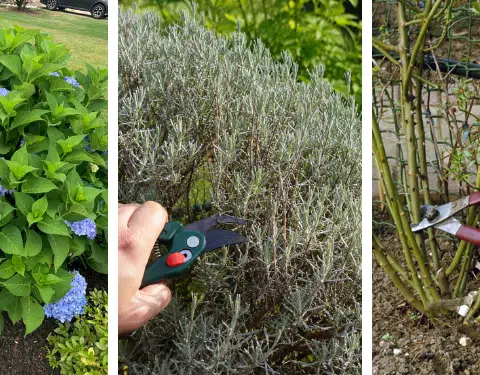
Yellowing leaves on your beloved houseplants or garden greens can be alarming.
Whether you’re a beginner gardener or a seasoned plant parent, one of the most common issues you’ll face is chlorosis—a condition where plant leaves turn yellow due to lack of chlorophyll.
Fortunately, most causes of yellowing leaves are easy to identify and correct once you know what to look for.
In this article, we’ll break down the 10 most common reasons your plants are turning yellow, along with simple solutions to restore your greenery to full health.
1. Overwatering
Why It Happens:
Overwatering is the leading cause of yellow leaves. When roots sit in soggy soil for too long, they become deprived of oxygen and begin to rot. This prevents the plant from absorbing water and nutrients properly, causing stress and yellowing.
Signs to Look For:
-
Yellow leaves with mushy or brown roots
-
Soil that feels wet days after watering
-
Drooping despite moist soil
Solution:
Let the soil dry out before watering again. Make sure your pot has proper drainage holes, and use a well-draining potting mix. Stick your finger 1–2 inches into the soil; only water when it feels dry.
2. Underwatering
Why It Happens:
While overwatering is common, not giving your plants enough water can also cause yellow leaves. When a plant is thirsty, it sacrifices older leaves to preserve moisture for new growth.
Signs to Look For:
-
Crispy, curled, or wilting yellow leaves
-
Dry, compacted soil pulling away from the pot edges
Solution:
Water thoroughly, ensuring water drains out the bottom of the pot. Establish a consistent watering schedule based on your plant type and environmental conditions.
3. Lack of Light
Why It Happens:
Plants need light to produce chlorophyll. If your plant isn’t getting enough sunlight, its leaves may turn yellow and fall off, especially on the lower, older leaves.
Signs to Look For:
-
Leggy growth
-
Pale or yellow lower leaves
-
Plant leaning toward light
Solution:
Move the plant to a brighter location or provide a grow light. Research your plant’s specific light requirements—some need direct sun, while others prefer bright, indirect light.
4. Nutrient Deficiency
Why It Happens:
Plants rely on key nutrients like nitrogen, magnesium, and iron to stay green and vibrant. A deficiency, especially in nitrogen, often causes older leaves to yellow while new leaves remain green.
Signs to Look For:
-
Yellowing starting at the base
-
Veins that remain green while the tissue turns yellow
-
Stunted growth
Solution:
Use a balanced, water-soluble fertilizer (such as 10-10-10) or one tailored to your plant type. For iron or magnesium deficiencies, look for specific supplements like chelated iron or Epsom salt.
5. Pest Infestation
Why It Happens:
Insects such as spider mites, aphids, whiteflies, and mealybugs feed on plant sap, stressing the plant and causing yellowing leaves.
Signs to Look For:
-
Sticky residue (honeydew) or white webbing
-
Yellow speckles or holes in leaves
-
Visible insects on the undersides of leaves
Solution:
Wipe the leaves with insecticidal soap or neem oil. For severe infestations, isolate the plant and use a stronger treatment. Regularly inspect plants to catch pests early.
6. Root Bound Plants
Why It Happens:
When a plant outgrows its container, its roots become tangled and compacted. This limits their ability to absorb nutrients and water, leading to yellowing.
Signs to Look For:
-
Roots circling the bottom or poking through the drainage holes
-
Stunted growth
-
Yellow or dropping leaves
Solution:
Repot the plant into a slightly larger container using fresh potting soil. Gently loosen the roots before placing them in the new pot to encourage healthy growth.
7. Temperature Stress
Why It Happens:
Plants are sensitive to extreme temperatures. Sudden drops, drafts, or overly warm conditions can cause leaves to yellow and drop.
Signs to Look For:
-
Yellowing along the leaf edges
-
Leaf drop after a change in location
-
Leaves turning yellow shortly after exposure to cold
Solution:
Keep plants away from heating vents, air conditioners, or drafty windows. Maintain a consistent temperature range suited to the specific plant.
8. Improper Soil pH
Why It Happens:
If your soil is too acidic or alkaline, it can lock out nutrients, even if they’re present. This causes nutrient deficiencies and yellowing.
Signs to Look For:
-
Yellow leaves despite fertilizing
-
Poor growth or bloom production
-
Soil crusting or discoloration
Solution:
Use a soil pH test kit. Most houseplants thrive in a slightly acidic to neutral pH (6.0–7.0). Amend the soil with lime to raise pH or sulfur to lower it as needed.
9. Natural Aging
Why It Happens:
Sometimes, yellowing leaves are simply a sign of the plant’s natural life cycle. Older leaves at the bottom of the plant age and fall off to make way for new growth.
Signs to Look For:
-
Yellowing of only the oldest leaves
-
Healthy new growth on top
Solution:
No action is needed! You can gently remove the yellow leaves to tidy up the plant. As long as new growth looks healthy, your plant is doing just fine.
10. Transplant Shock
Why It Happens:
If you’ve recently repotted or relocated your plant, it may show signs of stress as it adjusts to new surroundings. This can include drooping and yellowing leaves.
Signs to Look For:
-
Yellowing within days of repotting
-
No sign of pests or watering issues
-
Drooping without clear reason
Solution:
Be patient. Keep the plant in stable conditions and avoid fertilizing until it recovers. Most plants bounce back in a week or two.
If your plant is turning yellow, don’t panic. Use this guide to diagnose the most likely cause based on symptoms, environment, and care habits.
Many yellowing issues can be reversed quickly with the right adjustments.