Whether you prefer starting flower seeds indoors for a head start on spring or sowing them directly into garden beds, many annual flowers are incredibly rewarding and beginner-friendly.
These fast-growing blooms not only offer a burst of color in both sunny and shady landscapes but also tend to have high germination rates and quick maturity, producing armloads of blooms throughout summer and into fall.
Even better, many of these annuals are self-seeding, meaning they’ll drop seeds and return year after year with minimal effort – essentially giving you free flowers.
Here are 10 of the easiest and most beautiful annual flowers to grow from seed:
1. Sweet Alyssum (Lobularia maritima)
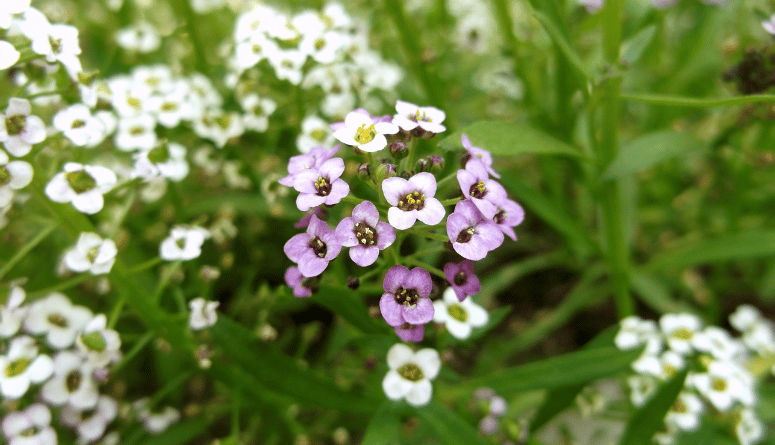
Sweet alyssum is a charming, low-growing flower with tiny, clustered blossoms in white, pink, lavender, or purple. It has a delightful honey-like fragrance and blooms from early spring until the first frost.
You can start seeds indoors four to six weeks before the last frost or directly sow them outdoors once the soil is workable.
Simply scatter the seeds over the soil surface and press them down gently – do not cover them, as they need light to germinate. Keep the soil moist until sprouts appear, usually within 5 to 10 days.
Alyssum makes an excellent border plant or filler for containers, and it’s highly attractive to pollinators like bees and butterflies.
2. Marigold (Tagetes spp.)
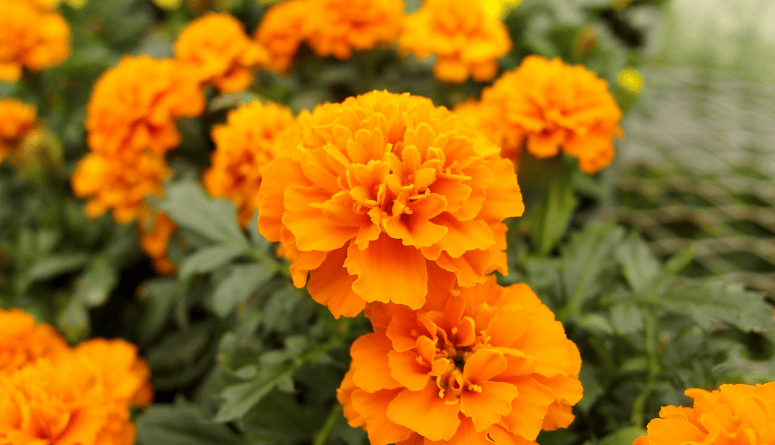
Marigolds are a garden staple, valued for their bright, cheerful blooms in yellow, orange, red, and gold. They are known for their ability to repel certain garden pests, making them a functional and ornamental choice.
Marigold seeds germinate quickly – within 4 to 7 days – and can be started indoors or sown directly in the garden after the danger of frost has passed. Sow seeds about 1/8 inch deep and thin seedlings as they grow.
They are sun lovers and require very little maintenance. Deadheading will encourage more blooms and extend the flowering season.
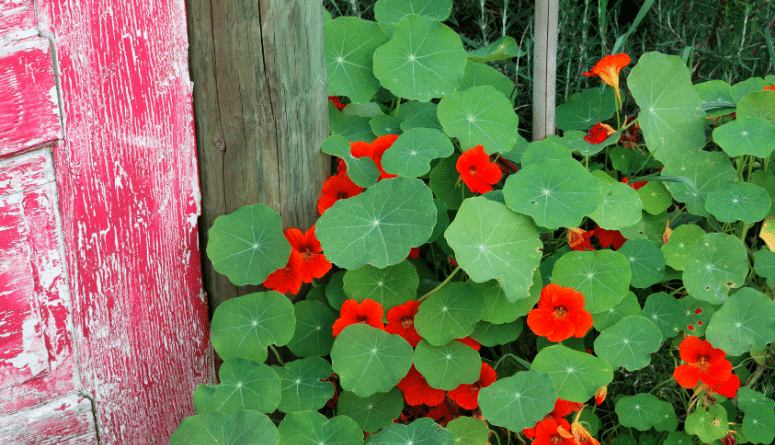
3. Nasturtium (Tropaeolum majus)
Nasturtiums are beloved for their vibrant flowers and rounded leaves that bring a tropical feel to the garden.
They are among the easiest annuals to grow and have the added benefit of being entirely edible – the flowers, leaves, and even the seeds can be used in the kitchen.
The seeds are large and easy to handle, making them ideal for children or beginner gardeners. Sow them directly in warm soil after the last frost, about 1/2 inch deep and spaced 10 to 12 inches apart. Germination occurs within 7 to 10 days.
Nasturtiums thrive in poor soil and don’t need fertilizing. They’re ideal for borders, containers, or trailing from hanging baskets.
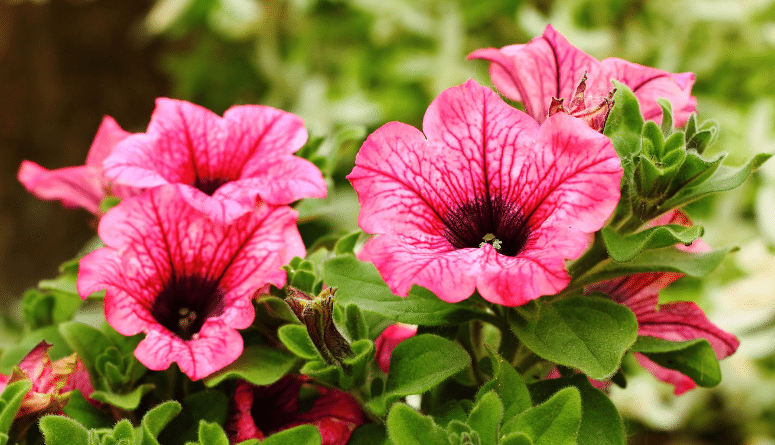
4. Petunia (Petunia × atkinsiana)
Petunias are popular for container gardens, window boxes, and hanging baskets due to their bright, showy blooms that come in nearly every color imaginable.
While petunias can be a bit slow to start from seed, they’re worth the effort. Start seeds indoors about 10 weeks before your last frost date.
Sprinkle seeds on the soil surface and keep them under bright light and consistent moisture.
Once planted outdoors, petunias will bloom continuously from late spring to fall, especially if deadheaded regularly. Choose trailing or mounding varieties based on your design needs.
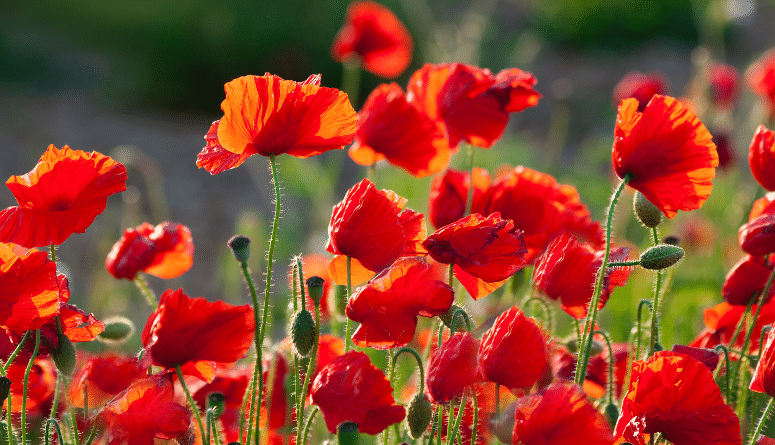
5. Poppy (Papaver spp.)
Annual poppies bring a soft, romantic look to the garden with their delicate, papery petals in shades of red, pink, white, and orange. While they don’t transplant well, they excel when direct-sown in cool soil.
Sow poppy seeds in early spring, even before the final frost. Scatter seeds on the surface of the soil and lightly press them in – they need light to germinate. Water gently and consistently.
Many varieties will self-seed readily, ensuring a naturalized look in the garden year after year.
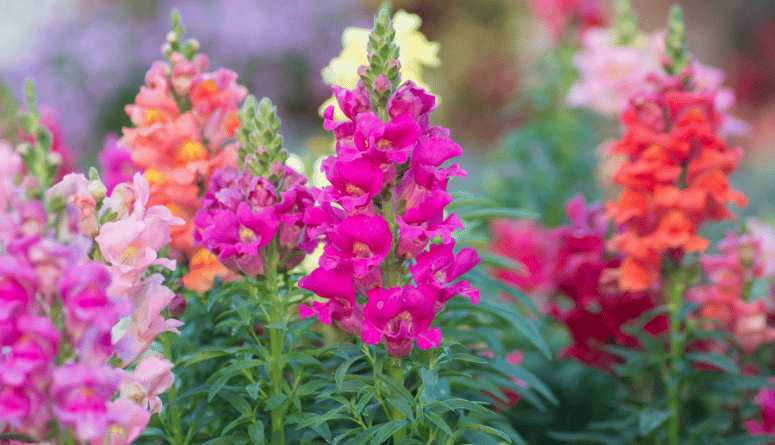
6. Snapdragon (Antirrhinum majus)
Snapdragons are cool-season favorites, offering vertical spikes of brightly colored blooms that resemble dragon mouths. They are excellent for cut flowers and garden edges.
Start seeds indoors 8 to 10 weeks before the last frost. Sow on the surface and keep moist – snapdragon seeds need light to germinate. Transplant outdoors when the weather is mild.
While technically tender perennials, snapdragons are grown as annuals in most climates and may self-seed under the right conditions.
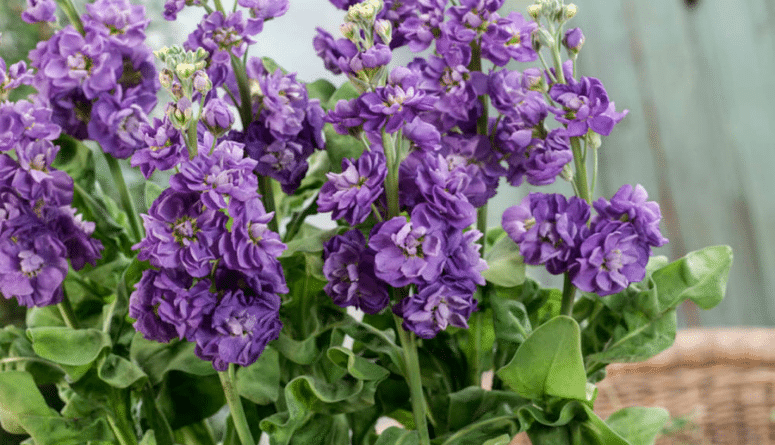
7. Stock (Matthiola incana)
Stock is an old-fashioned favorite prized for its spicy, clove-like fragrance and tall spikes of densely packed blooms in shades of white, pink, lavender, and purple.
Start stock indoors 6 to 8 weeks before the last frost or direct sow once the danger of frost has passed. They germinate best in cool weather and bloom from spring through early summer.
Stock prefers full sun and well-drained soil. It works beautifully in flower beds, borders, and cutting gardens.
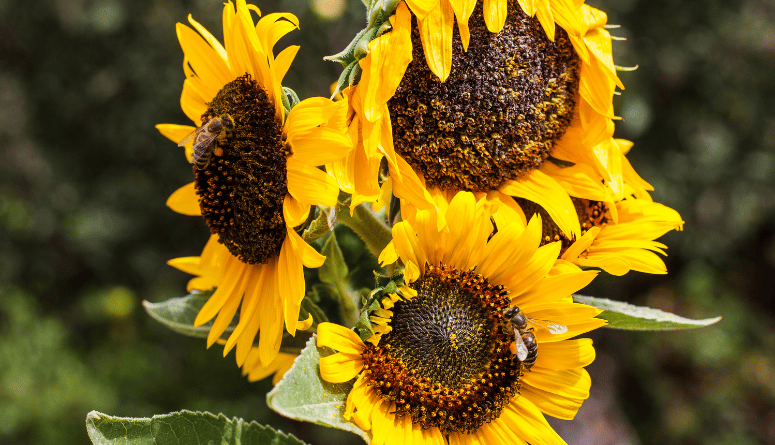
8. Sunflower (Helianthus annuus)
Sunflowers are iconic summer flowers known for their towering height and cheerful yellow blooms that follow the sun.
They’re incredibly easy to grow. Sow seeds directly outdoors in a sunny spot after the last frost. Space them 6 to 12 inches apart, depending on the variety. Germination takes 7 to 10 days.
Sunflowers come in a range of sizes, from dwarf types perfect for pots to giants reaching 10 feet or more. They’re also great for attracting birds and pollinators.
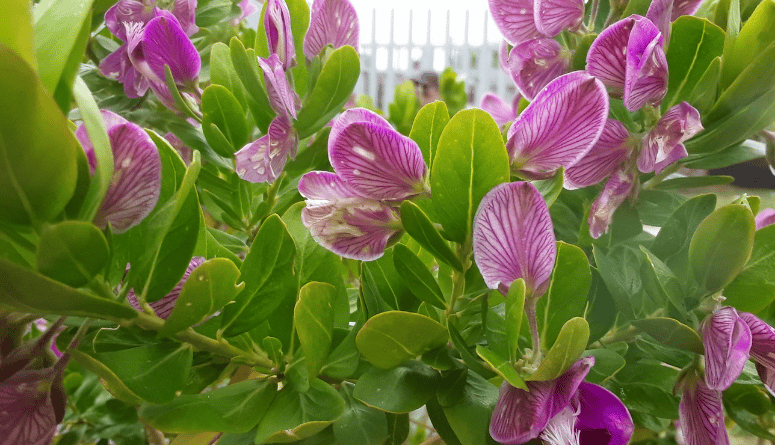
9. Sweet Pea (Lathyrus odoratus)
Sweet peas are cherished for their exquisite fragrance and delicate, butterfly-like blooms in pastel shades of pink, lavender, blue, and white. These climbing annuals do best in cooler weather.
Soak seeds overnight before planting. Direct sow them in early spring as soon as the soil can be worked. They prefer full sun in cooler regions but benefit from afternoon shade in hotter climates.
Support their vining habit with a trellis or fence. Regular picking encourages continuous blooming.
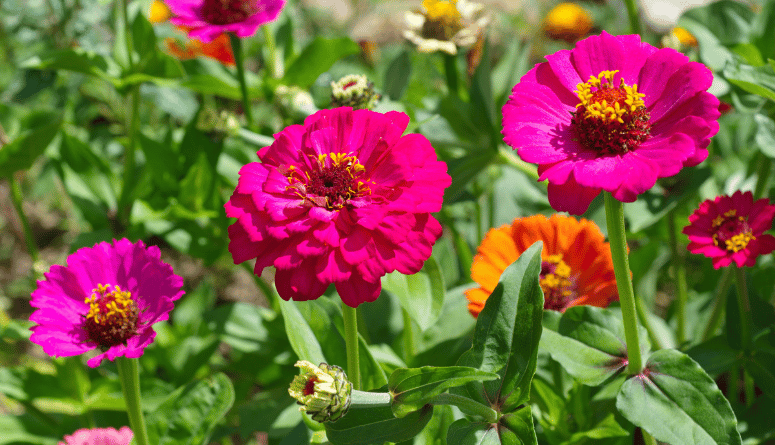
10. Zinnia (Zinnia elegans)
Zinnias are fast-growing annuals that offer huge rewards with minimal effort. Their bold, daisy-like flowers come in almost every color and attract pollinators, especially butterflies.
Zinnias dislike being transplanted, so direct sow seeds outdoors after the last frost. They germinate quickly (within 5 to 7 days) and bloom heavily throughout the summer.
They love heat and sunshine and thrive in poor to average soil. Regular deadheading will keep them producing until frost.
Starting flowers from seed is one of the most rewarding gardening experiences.
Not only does it save money compared to buying starts, but it also opens the door to growing unique varieties not always found at garden centers.
Whether you want cheerful borders, fragrant cut flowers, or edible blooms, these easy-to-grow annuals will brighten your garden with long-lasting color and minimal fuss.