Tired of battling mosquitoes every time you step into your garden or relax on the patio? Before reaching for chemical repellents, consider harnessing the power of nature.
Many common herbs and ornamental plants contain natural compounds that repel mosquitoes and other pests- while adding beauty and fragrance to your home or garden.
From citrus-scented leaves to strong aromatic oils, these plants act as living mosquito deterrents.
They’re perfect for growing in pots near doors and windows, adding to your flower beds, or even planting in herb gardens for a dual-purpose defense.
Here are 10 mosquito-repelling plants that do more than just smell good – they help you reclaim your outdoor (and indoor) spaces from pesky bugs.
1. Lemongrass (Cymbopogon citratus)
Also known as Lemon Verbena or Fever Grass
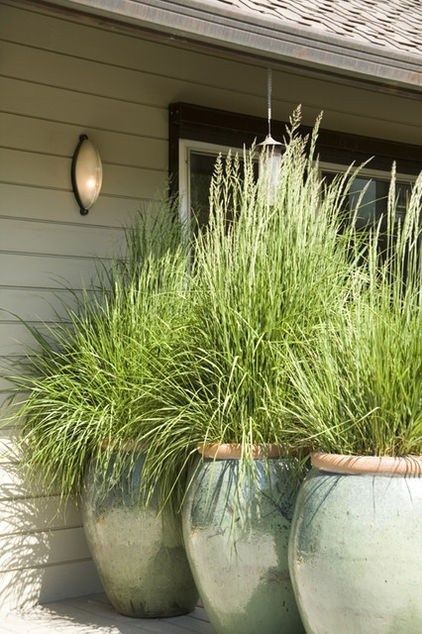
Lemongrass is one of the most effective plants for repelling mosquitoes due to its high concentration of citral, a natural oil used in many commercial mosquito repellents.
Its tall, grassy foliage adds a tropical look to the garden and emits a clean, lemony aroma that mosquitoes dislike.
How to grow:
- Needs full sun and well-drained soil;
- Best grown in large pots or raised beds in colder climates;
- Thrives in warm, humid environments;
- Can also be harvested for use in soups, teas, and curries.
Bonus: Citral in lemongrass not only repels mosquitoes but also has antimicrobial and anti-inflammatory properties.
2. Marigolds (Tagetes spp.)
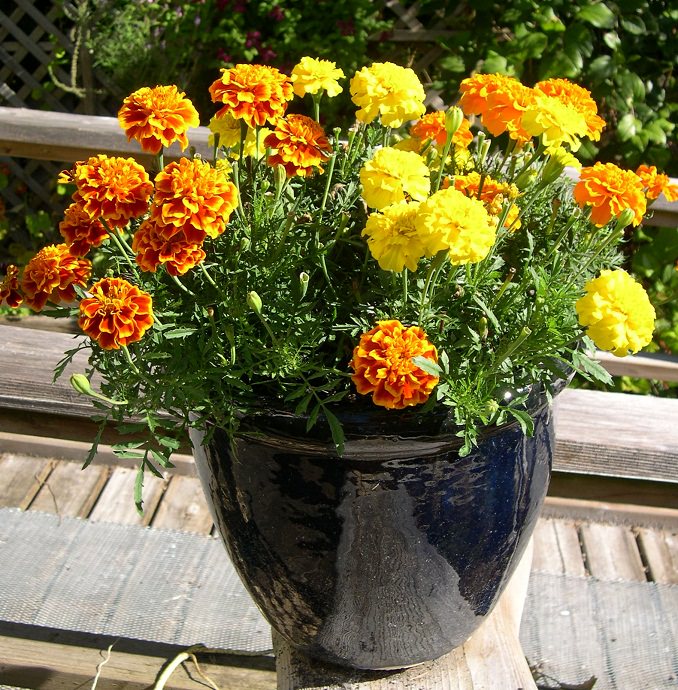
Bright and cheerful, marigolds do more than just add vibrant color to your garden – they contain pyrethrum, a natural compound similar to the active ingredients in many synthetic insect repellents.
The entire plant – from the flowers to the roots – emits a distinctive scent that keeps mosquitoes, aphids, and whiteflies at bay.
How to use:
- Grow in pots and place around patios, decks, balconies, or entryways;
- Plant as companion plants in vegetable gardens to protect crops;
- Requires full sun and regular watering.
Tip: Crushed marigold petals can also be rubbed on clothing to enhance their repellent properties.
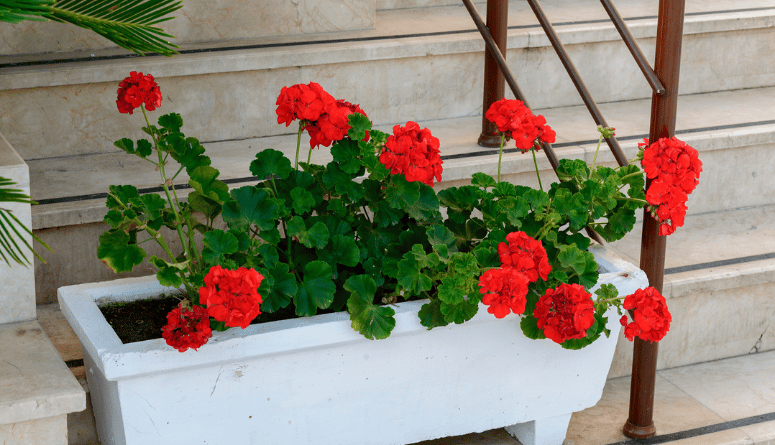
3. Scented Geraniums (Pelargonium citrosum)
Commonly referred to as “mosquito plant”
Scented geraniums, especially those with a lemon or citronella-like fragrance, are excellent for warding off mosquitoes.
The strong citrus scent overwhelms a mosquito’s olfactory sensors, making it harder for them to find human hosts.
Plant care:
- Prefers full sun and well-draining soil;
- Grows well in containers, hanging baskets, or garden beds;
- Prune regularly to encourage bushier growth and stronger scent.
Aesthetic bonus: Their ruffled leaves and colorful blooms add ornamental appeal to any space.
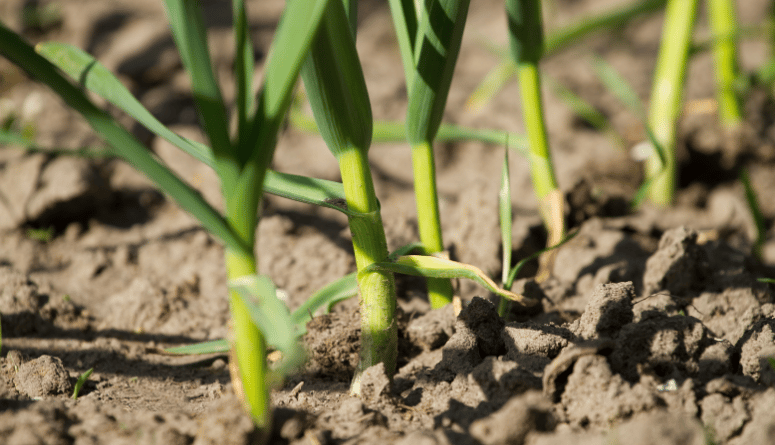
4. Garlic (Allium sativum)
While munching garlic might not keep mosquitoes away from your skin, planting garlic in your garden can.
Garlic bulbs release strong sulfur compounds through their roots and leaves, creating an invisible barrier that insects hate.
How to grow:
- Plant cloves in fertile, well-drained soil in a sunny spot;
- Water moderately and allow soil to dry between watering;
- Harvest bulbs after 90–120 days, but the mosquito-repelling action begins well before that.
Bonus: Garlic also repels aphids and acts as a natural antifungal agent in the soil.
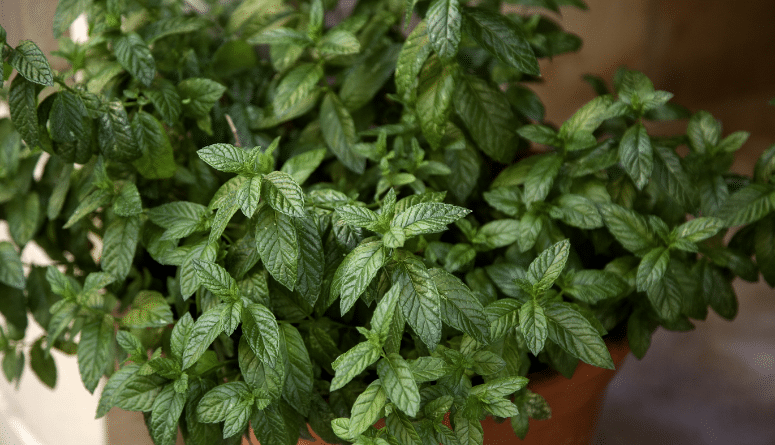
5. Peppermint (Mentha × piperita)
Not only is peppermint great for tea and soothing mosquito bites, but it’s also a powerful insect repellent. Its strong menthol aroma confuses and repels mosquitoes, flies, and ants.
When crushed or rubbed on the skin, the oils are even more effective.
Growing tips:
- Thrives in moist, partially shaded environments;
- Best grown in pots to prevent it from overtaking your garden;
- Clip back regularly to promote bushy growth and stronger aroma.
Bonus use: Mix peppermint oil with water in a spray bottle for a natural bug spray.
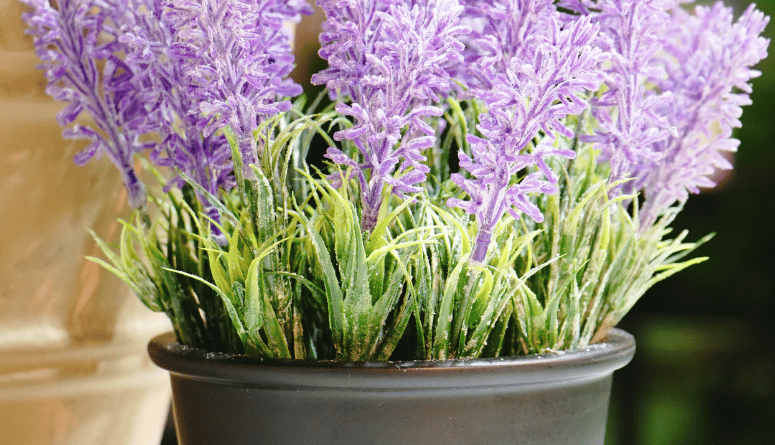
6. Lavender (Lavandula angustifolia)
The soothing scent of lavender that calms humans has the opposite effect on mosquitoes. Its essential oils contain linalool and linalyl acetate, compounds proven to repel not only mosquitoes but moths, fleas, and flies.
Ideal growing conditions:
- Needs full sun and dry, sandy, or well-drained soil;
- Drought-tolerant once established;
- Can be grown in pots, window boxes, or garden borders.
Extra tip: Place dried lavender bundles in closets or near windows to deter bugs indoors.
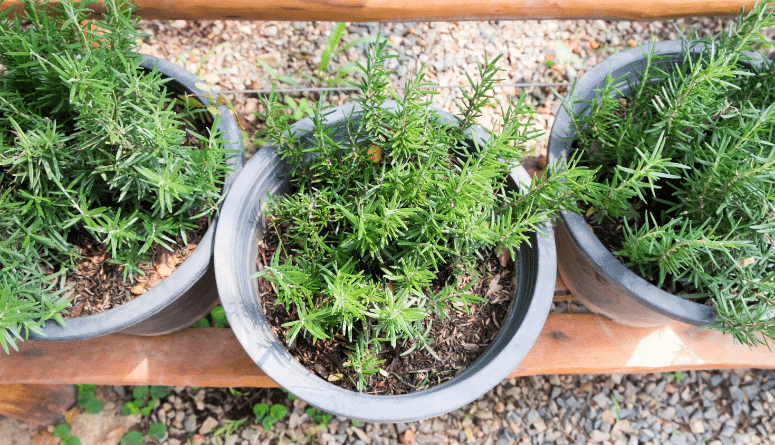
7. Rosemary (Rosmarinus officinalis)
This culinary herb is more than just a flavor enhancer – it also deters mosquitoes with its pungent, pine-like scent. The needle-like leaves emit essential oils that repel mosquitoes, cabbage moths, and carrot flies.
How to grow:
- Prefers full sun and sandy, well-drained soil;
- Perfect for containers, borders, and raised beds;
- Can also be trimmed and used in grilling or cooking.
Pro tip: Toss a few rosemary sprigs on the grill or fire pit – when burned, they release aromatic smoke that drives away mosquitoes.
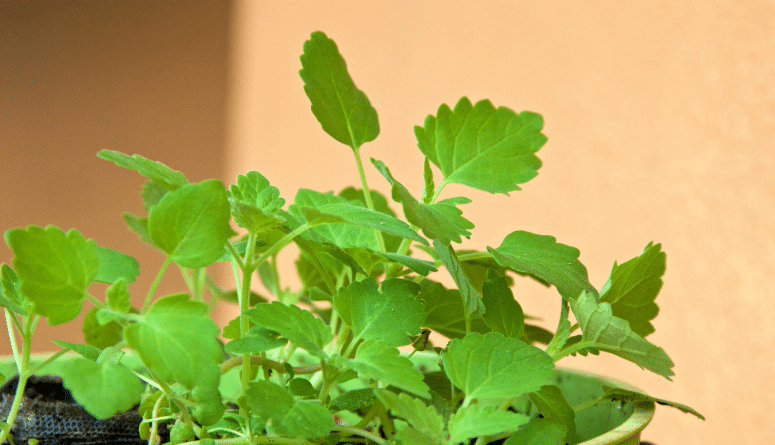
8. Catnip (Nepeta cataria)
Catnip contains nepetalactone, a compound that has been shown in studies to be up to 10 times more effective than DEET in repelling mosquitoes.
Not only is it a great mosquito repellent, but it’s also a favorite of feline friends.
Care and growth:
- Easy to grow in containers or garden beds;
- Prefers full sun to partial shade;
- Water regularly but don’t overdo it; catnip is drought-tolerant.
Note: If you have cats, expect frequent visitors to your catnip patch!
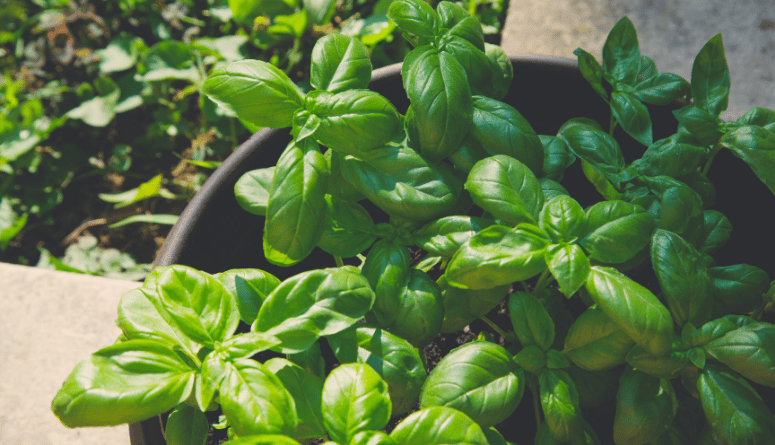
9. Basil (Ocimum basilicum)
Basil is another dual-purpose herb that’s as delicious in your kitchen as it is useful in your garden. Its strong clove-like scent naturally repels mosquitoes, houseflies, and whiteflies.
Growing tips:
- Needs full sun and regular watering;
- Grows well in pots, raised beds, or window boxes;
- Harvest leaves frequently to encourage more growth.
Bonus: Different varieties like Thai basil, lemon basil, and cinnamon basil offer unique aromas and culinary uses while keeping pests away.
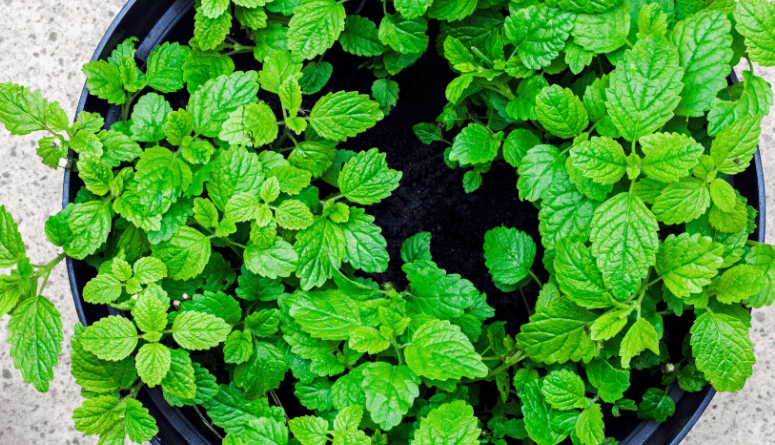
10. Lemon Balm (Melissa officinalis)
Closely related to mint, lemon balm has a citrusy scent that mosquitoes can’t stand. It’s easy to grow and perfect for beginner gardeners.
The plant is also known for its calming effects when used in tea or aromatherapy.
Ideal conditions:
- Thrives in full sun to partial shade;
- Tolerant of drought and light frost;
- Grows vigorously – contain it in pots to prevent spreading.
Bonus use: Crush the leaves and rub them on your skin as a quick, natural mosquito repellent.
Why rely solely on sprays and chemicals when you can fill your space with natural mosquito-repelling plants that also look and smell incredible?
Whether you’re designing a patio paradise, balcony retreat, or kitchen garden, these plants add life, fragrance, and functionality to your home.