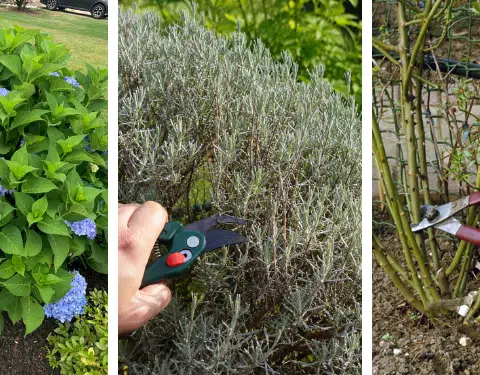
Mediterranean herbs are beloved worldwide for their rich flavors, vibrant colors, and incredible health benefits.
Used in everything from soups and sauces to roasted dishes and herbal teas, these aromatic herbs are packed with antioxidants, vitamins, and minerals.
The best part? You can grow them at home—whether in your garden, on a balcony, or even on a sunny kitchen windowsill.
Let’s explore 10 essential Mediterranean herbs, how to grow them, and why they deserve a place in your home garden!
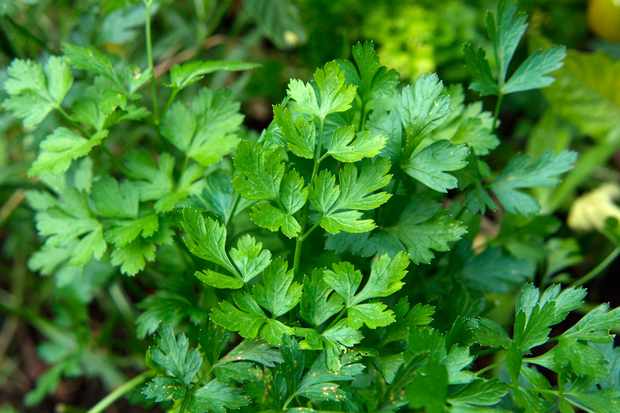
1. Parsley – A Nutrient Powerhouse
Sunlight: Full sun to partial shade
Soil: Loamy, well-draining soil
Watering: Keep soil consistently moist
Time to Harvest: 2-3 months
Parsley is a staple in Mediterranean cuisine, used in everything from salads (like tabbouleh) to sauces and garnishes. This bright green herb is not just flavorful but also packed with vitamins A, B12, C, and potassium, making it excellent for digestion and inflammation reduction.
Growing Tips:
- Soak seeds in warm water for 24 hours before planting to speed up germination.
- Keep in full sun, but it tolerates partial shade.
- Harvest regularly to promote new growth.
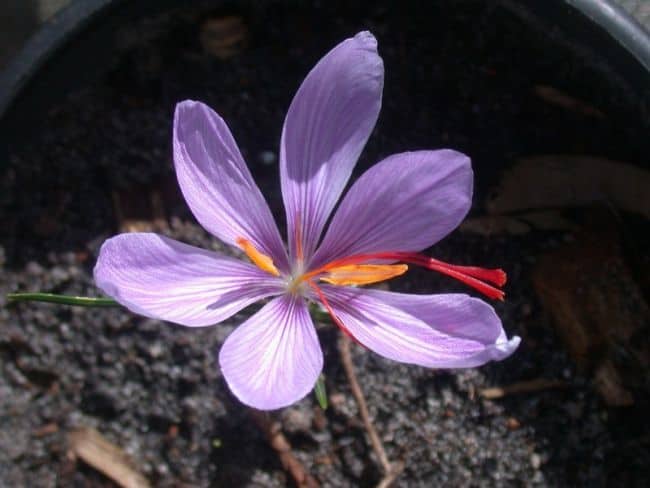
2. Saffron – The Most Expensive Spice in the World
Sunlight: Full sun
Soil: Well-draining, sandy soil
Watering: Light watering; avoid overwatering
Time to Harvest: 6-8 weeks after planting
Saffron, derived from the saffron crocus flower, is known for its deep golden color and exotic flavor. Used in dishes like paella and risotto, this spice is rich in antioxidants and is a natural mood booster.
Growing Tips:
- Plant saffron bulbs (corms) in late summer.
- Harvest the delicate red threads once the flowers bloom.
- Store the dried saffron in an airtight container for long-lasting freshness.
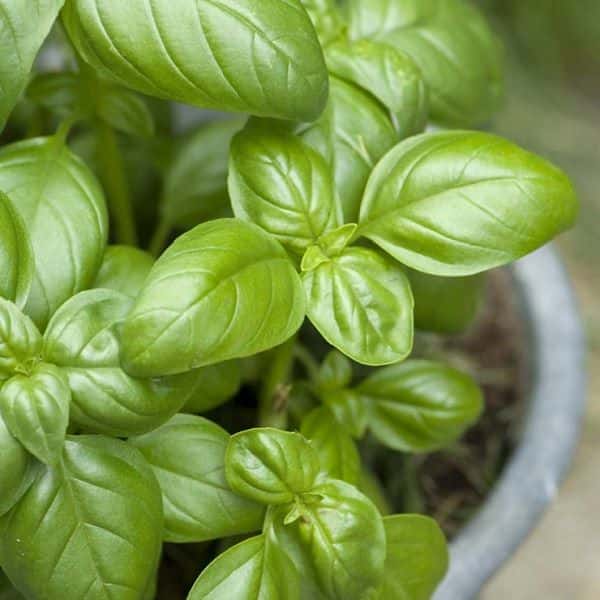
3. Basil – The King of Herbs
Sunlight: Full sun (6+ hours per day)
Soil: Well-draining, nutrient-rich soil
Watering: Water deeply but avoid soggy soil
Time to Harvest: 8-12 weeks
Basil is a Mediterranean favorite with its sweet, slightly peppery flavor. Essential in Italian pesto, pasta dishes, and Caprese salads, basil is also a powerful antimicrobial herb that supports heart health.
Growing Tips:
- Plant seeds 2 months before cold weather arrives.
- Pinch off flowers to encourage bushier growth.
- Keep plants spaced 12 inches apart for healthy air circulation.
4. Thyme – The Culinary & Medicinal Wonder
Sunlight: Full sun
Soil: Well-drained, sandy soil
Watering: Allow soil to dry out between waterings
Time to Harvest: 8-12 weeks
Thyme is a strong antioxidant and natural antibacterial herb, commonly used in soups, beans, and roasted dishes. It thrives in dry conditions, making it a great option for low-maintenance gardens.
Growing Tips:
- Start from seeds or propagate from cuttings.
- Avoid overwatering, as thyme prefers drier soil.
- Trim regularly to prevent woodiness and encourage new growth.
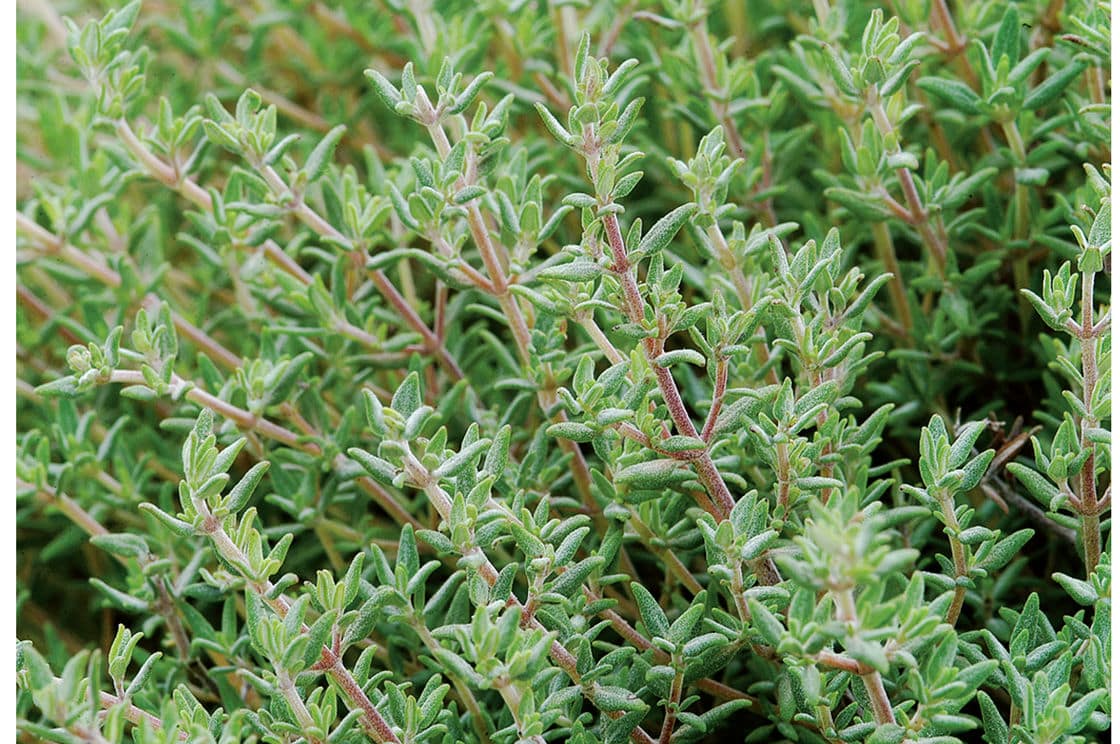
5. Rosemary – A Fragrant, Hardy Herb
Sunlight: Full sun (at least 6 hours)
Soil: Well-draining, slightly sandy soil
Watering: Drought-tolerant; water only when soil is dry
Time to Harvest: 3-4 months
Rosemary is one of the most fragrant Mediterranean herbs, famous for its woody aroma and rich flavor. It’s a must-have for roasted meats, potatoes, and baked goods. Plus, it’s great for boosting immunity and improving circulation.
Growing Tips:
- Grows best in pots or raised beds for better drainage.
- If temperatures drop below 1°C (33°F), bring rosemary indoors.
- Prune regularly to keep the plant bushy and healthy.
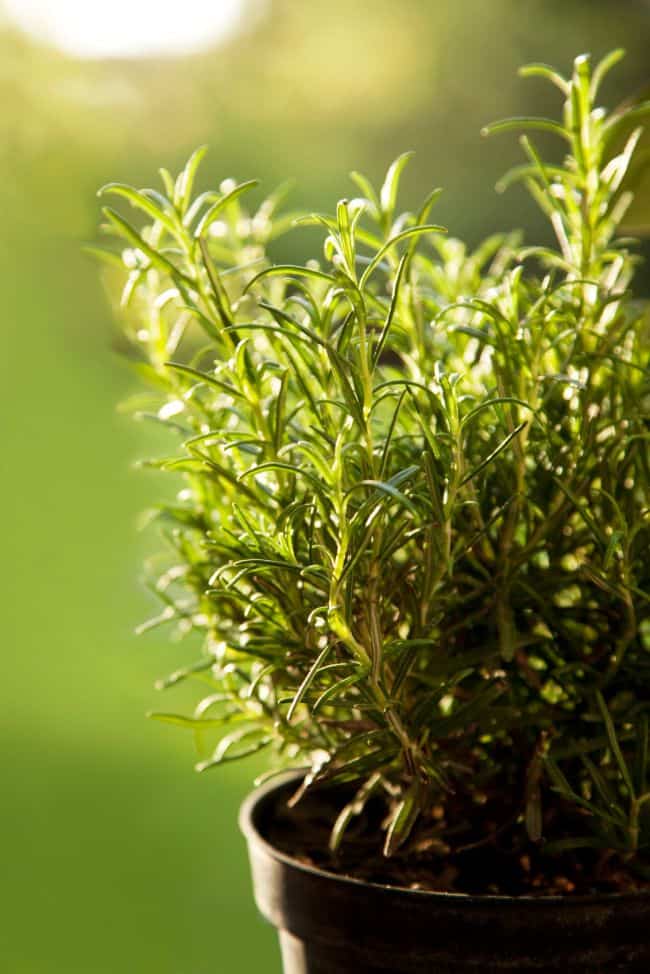
6. Oregano – The Signature Mediterranean Seasoning
Sunlight: Full sun
Soil: Well-draining, sandy soil
Watering: Light watering; avoid overwatering
Time to Harvest: 8-12 weeks
Oregano is a Mediterranean essential, used in pizza, pasta, grilled meats, and sauces. It contains powerful antioxidants and is known to help improve digestion and fight infections.
Growing Tips:
- Start growing before winter to establish strong roots.
- Trim plants to encourage thicker foliage.
- Dry oregano leaves for longer storage.
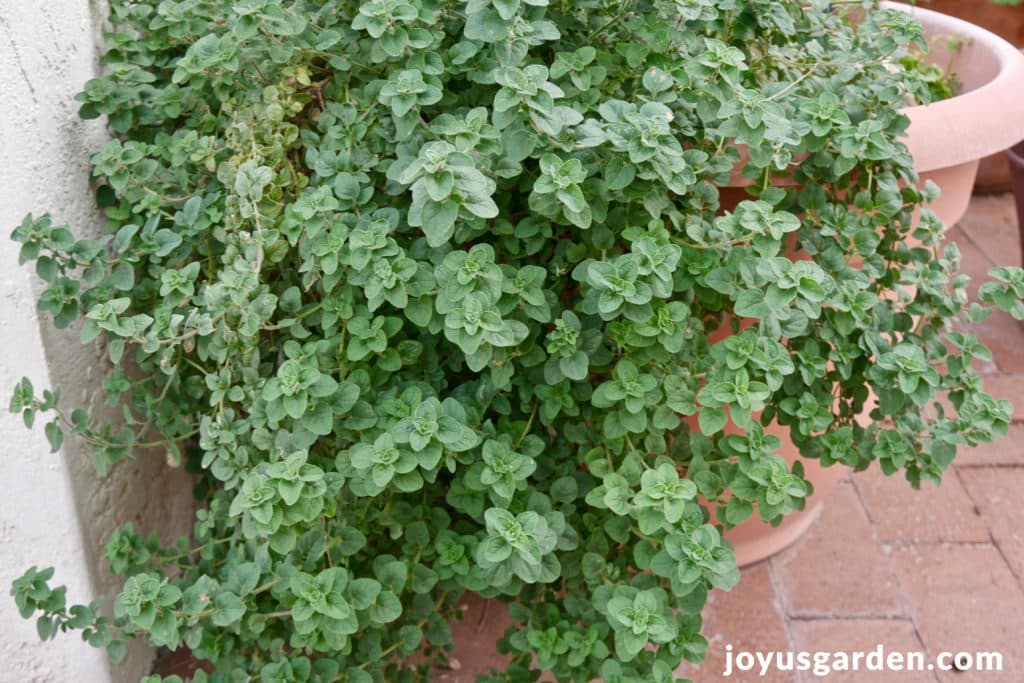
7. Cilantro – The Bold, Fresh Herb
Sunlight: Full sun to partial shade
Soil: Well-draining, slightly acidic soil
Watering: Keep soil moist but not soggy
Time to Harvest: 3-4 weeks
Although commonly associated with Mexican cuisine, cilantro is widely used in Mediterranean salads, sauces, and dips. It’s known for lowering bad cholesterol and improving digestion.
Growing Tips:
- Water frequently but lightly to prevent bolting.
- Plant in cooler seasons for the best flavor.
- Harvest leaves when they reach 2 inches for maximum freshness.
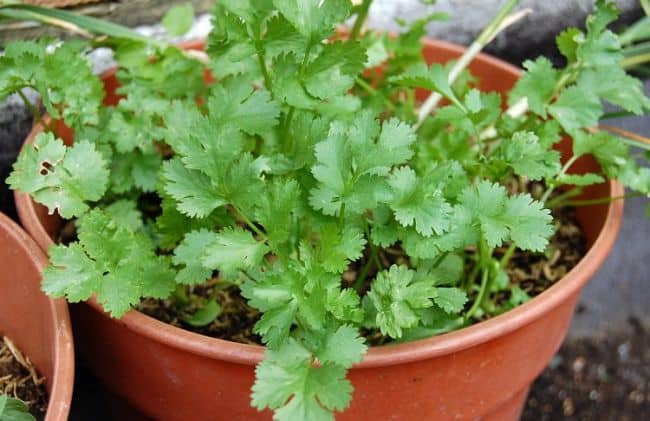
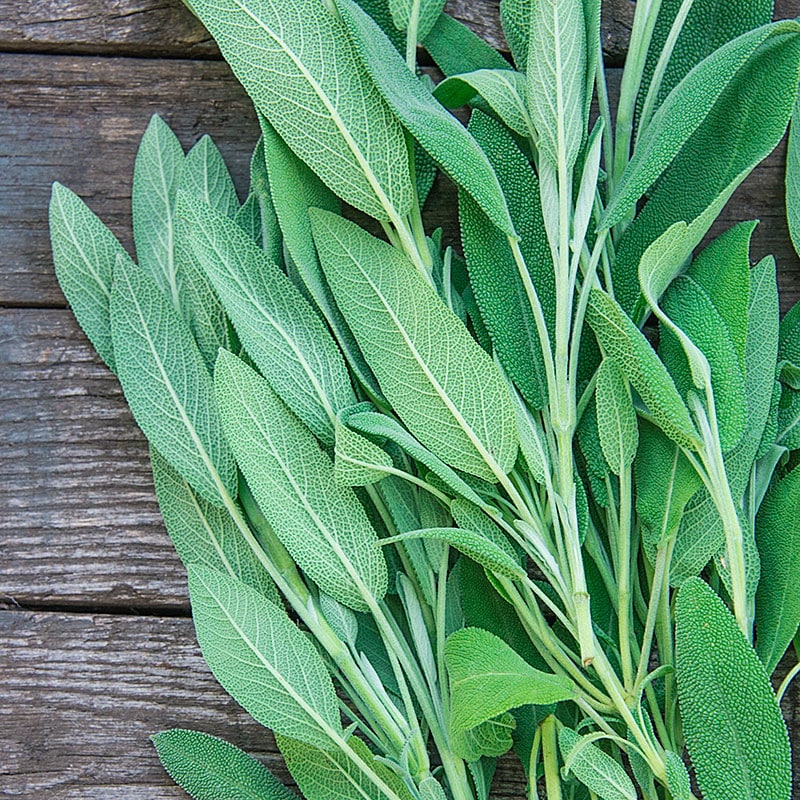
8. Sage – Earthy & Aromatic
Sunlight: Full sun
Soil: Well-drained, nitrogen-rich soil
Watering: Let soil dry out between waterings
Time to Harvest: 8-12 weeks
Sage is often used in savory dishes, sauces, and herbal teas. It’s packed with folate, calcium, and vitamins A & B, making it great for brain function, skin health, and strong bones.
Growing Tips:
- Plant in dry, warm conditions.
- Trim back flowers to prolong leaf production.
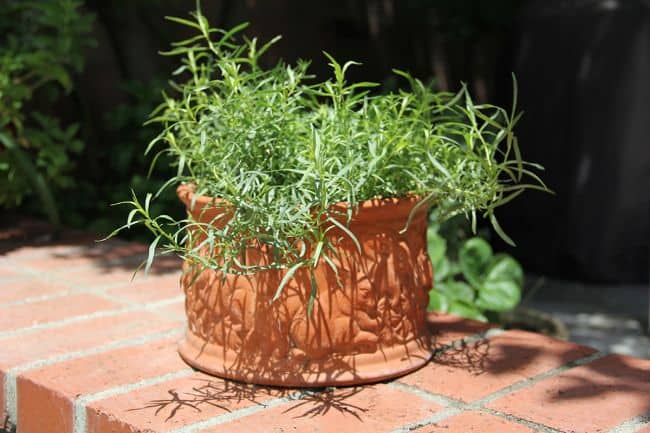
9. French Tarragon – A Gourmet Favorite
Sunlight: Full sun
Soil: Well-draining, slightly alkaline soil
Watering: Light, infrequent watering
Time to Harvest: 6-8 weeks
French tarragon adds a mild licorice flavor to chicken, fish, and sauces. It has digestive benefits and helps reduce stress and anxiety.
Growing Tips:
- Prefers dry, well-aerated soil.
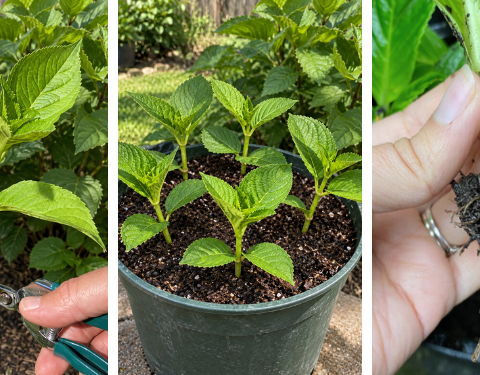
- Propagate using stem cuttings, as seeds don’t germinate well.
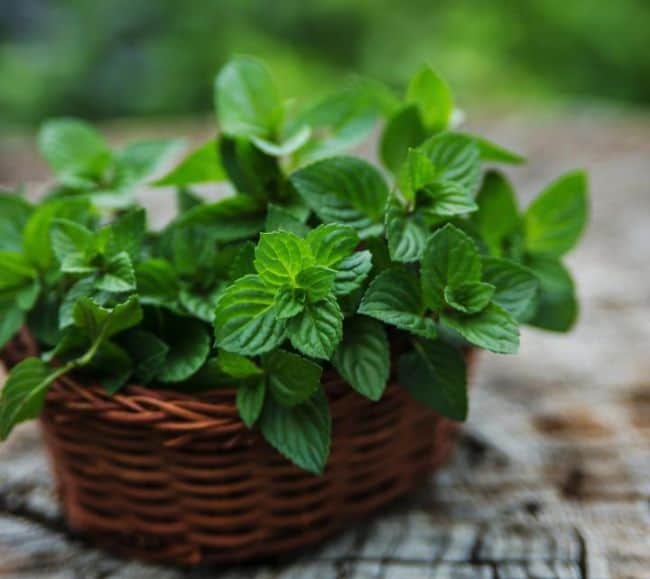
10. Mint – Refreshing & Invigorating
Sunlight: Partial shade to full sun
Soil: Moist, well-draining soil
Watering: Frequent watering
Time to Harvest: 6-8 weeks
Mint is one of the most versatile Mediterranean herbs, used in teas, salads, sauces, and cocktails. It’s excellent for digestion, bloating, and stress relief.
Growing Tips:
- Propagates best from cuttings rather than seeds.
- Best grown in containers to prevent spreading.
Growing Mediterranean herbs is easy, rewarding, and adds fresh flavor to your cooking. With minimal care, you’ll have a continuous supply of homegrown herbs for months!
💬 Which herb will you grow first? Share your gardening plans in the comments!