When the sun sets and most garden flowers close up for the evening, night-blooming plants take center stage, filling the twilight hours with stunning blooms and unforgettable fragrance.
While many gardeners focus on daytime color and structure, there’s no reason the magic of your garden should end at dusk.
In fact, some of the most enchanting flowers bloom only at night, releasing captivating scents and offering a unique glow under the moonlight.
These plants not only enhance your garden’s nighttime appeal but also attract pollinators like moths and bats that are active after dark.
If you’re looking to create a serene, aromatic garden that comes alive at night, here are 10 stunning night-blooming flowers you’ll want to plant.
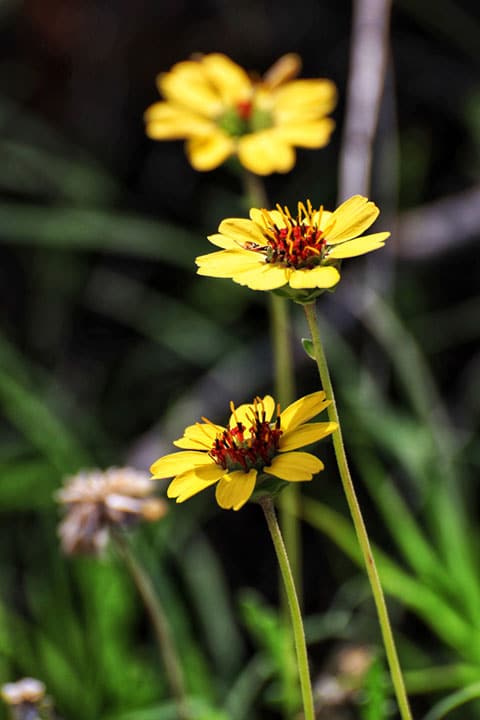
1. Chocolate Daisy (Berlandiera lyrata)
Native to the southwestern United States, the chocolate daisy is a drought-tolerant perennial that thrives in USDA zones 5–11.
This low-maintenance plant features bright yellow petals and a rich, maroon center — but what sets it apart is its mouth-watering chocolate fragrance.
The scent is strongest in the early morning and evening, making it a delight for moon garden enthusiasts.
The flowers open at night and close by mid-morning, adding both visual and olfactory interest to your nighttime landscape.
-
Best For: Rock gardens, borders, and dry landscapes
-
Bonus: Attracts pollinators and requires minimal watering
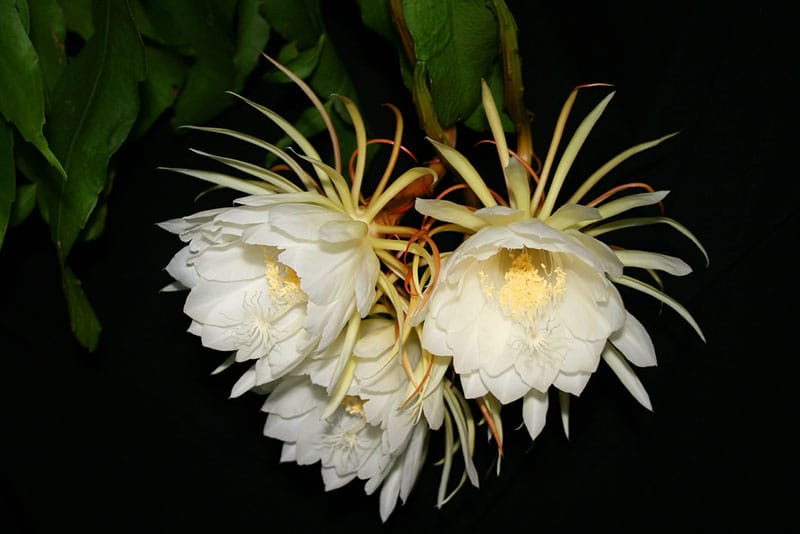
2. Queen of the Night (Epiphyllum oxypetalum)
The aptly named Queen of the Night is a show-stopping cactus that produces large, fragrant, trumpet-shaped white flowers — but only at night.
Often grown in tropical and subtropical regions (zones 9–12), this orchid cactus blooms for a single night, wilting by sunrise.
Its flowers can reach up to 10 inches in diameter, and the vine-like plant is often grown in hanging baskets or trained up trellises.
-
Best For: Tropical landscapes or container gardens
-
Bonus: Highly fragrant and rare — a collector’s favorite
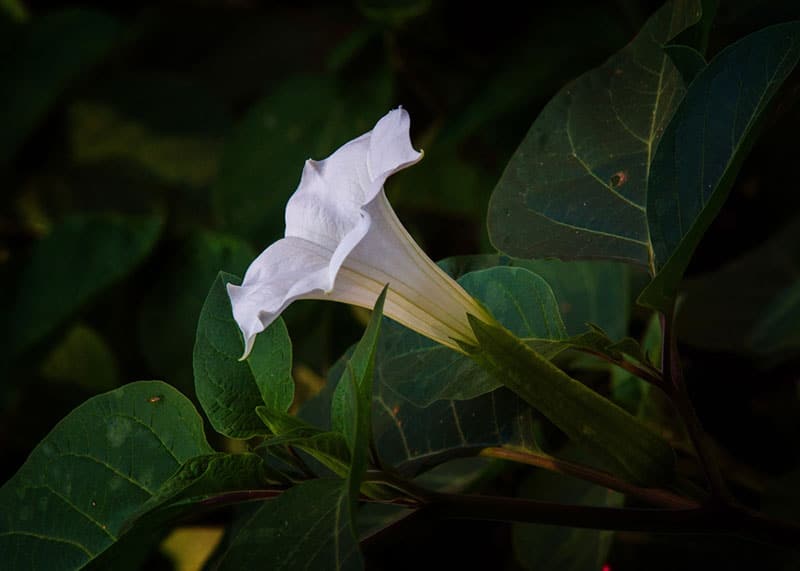
3. Datura (Datura inoxia)
Commonly known as Angel’s Trumpet (not to be confused with Brugmansia), Datura produces large, trumpet-shaped flowers that open at dusk and emit a sweet yet intense fragrance throughout the night.
Datura thrives in zones 5–7 as an annual and in zones 8–10 as a perennial.
Flowers are usually white but can also be found in shades of purple. The plant can grow wide — up to 10 feet across — making it a bold addition to night gardens.
-
Caution: All parts of the plant are toxic if ingested, so plant with care
-
Bonus: Dramatic appearance and pest-resistant
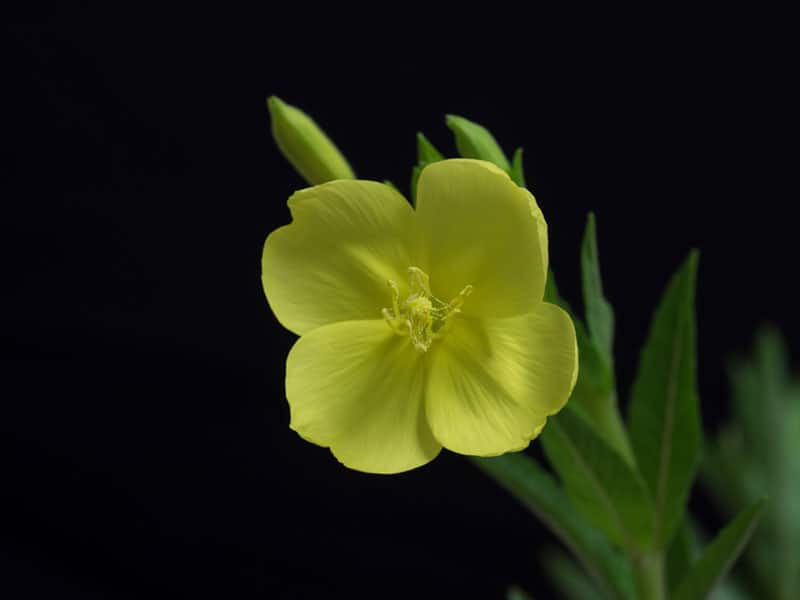
4. Evening Primrose (Oenothera biennis)
A native wildflower, evening primrose is beloved for its luminous, goblet-shaped flowers that open rapidly at sunset.
The blooms come in shades of yellow, pink, or white and continue to bloom into the early morning.
This hardy plant thrives in zones 4–8 and is ideal for cottage gardens and pollinator plots. It’s also known for its health benefits — the seeds produce evening primrose oil, often used in natural remedies.
-
Best For: Woodland gardens and naturalized areas
-
Bonus: Attracts moths and nocturnal pollinators
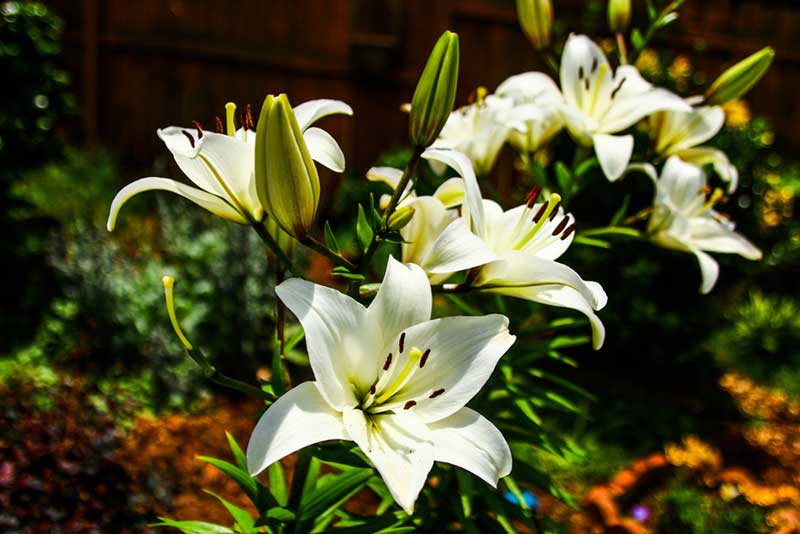
5. Casa Blanca Lily (Lilium ‘Casa Blanca’)
Regal and intensely fragrant, the Casa Blanca lily is a white Oriental lily that blooms in mid to late summer.
Its large, glowing blooms open in the evening and are often used in moon gardens for their pure white petals and strong, sweet aroma.
This lily thrives in zones 5–10, preferring full sun on top and cooler soil at the roots — which can be achieved by mulching or planting low-growing companion plants around the base.
-
Best For: Flower beds, cutting gardens, and moon gardens
-
Bonus: Excellent cut flower with a long vase life
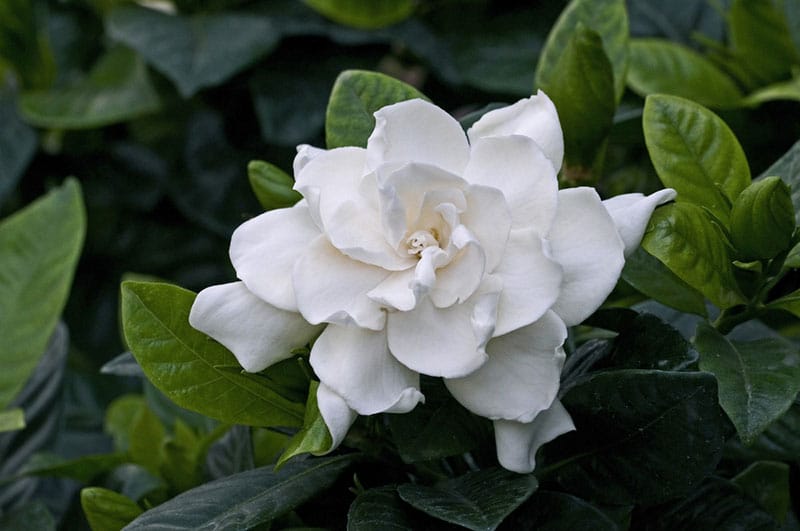
6. Gardenia (Gardenia jasminoides)
While gardenias don’t bloom exclusively at night, their fragrance intensifies in the evening, making them a popular choice for night gardens and patio planters.
These evergreen shrubs are known for their glossy foliage and creamy white blooms, and they grow best in zones 8–11.
They prefer acidic, well-drained soil and partial shade. In cooler climates, gardenias can be grown indoors as houseplants.
-
Best For: Entryways, patios, and containers
-
Bonus: Year-round foliage and heavenly nighttime scent
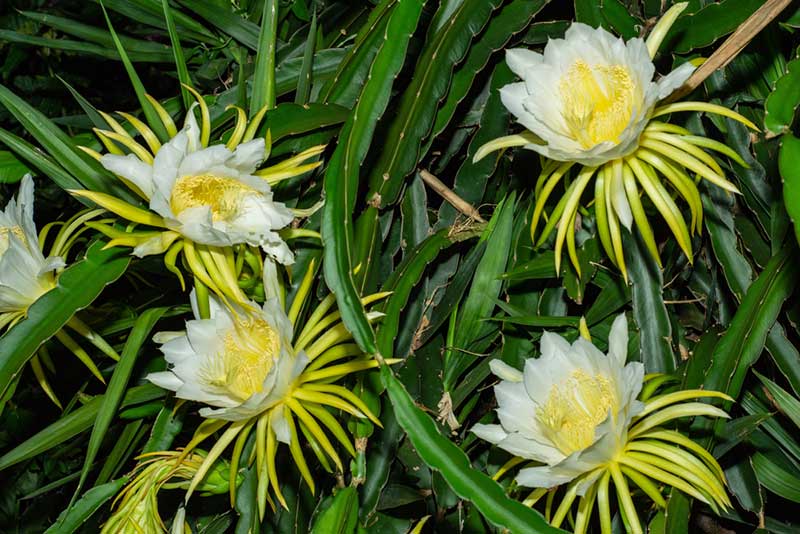
7. Dragon Fruit Flower (Hylocereus undatus)
Dragon fruit plants are a type of climbing cactus that produce one of the largest night-blooming flowers in the world.
These stunning white flowers can reach over 12 inches across and only bloom once per year, usually in the summer.
The blooms open for just one night but release a potent and intoxicating fragrance that fills the garden.
After flowering, the plant produces the dragon fruit itself, a tropical fruit with vibrant pink skin and sweet flesh.
-
Best For: Warm climates (zones 10a–11) or greenhouse growing
-
Bonus: You get edible fruit along with a spectacular flower
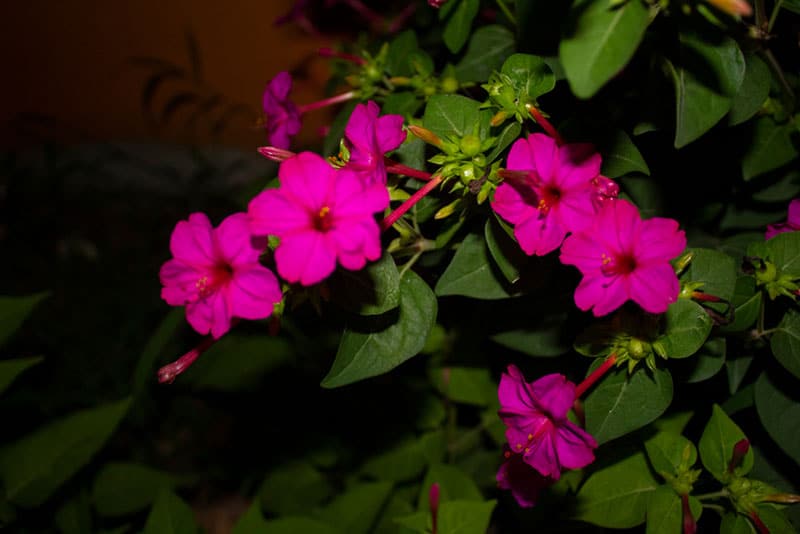
8. Four O’Clocks (Mirabilis jalapa)
Despite their name, Four O’Clocks often open later in the day — around dusk — and remain open through the evening.
These bushy plants are easy to grow and highly fragrant, with blooms in red, pink, yellow, white, and bi-colors, often all on the same plant.
They grow as perennials in zones 7–10 and as annuals elsewhere. Four O’Clocks are also known for their ability to self-seed, returning year after year.
-
Best For: Borders, foundation plantings, and pollinator gardens
-
Bonus: Deer-resistant and tolerant of poor soil
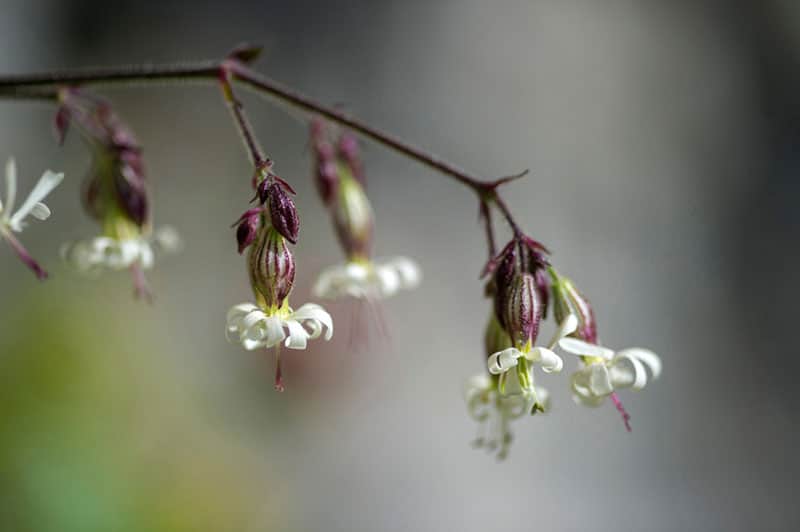
9. Nottingham Catchfly (Silene nutans)
This lesser-known night bloomer is prized for its delicate, star-shaped flowers and fascinating behavior.
The blooms only last about three nights and open only at dusk to avoid self-pollination, attracting night-flying insects instead.
Native to Europe but adaptable in zones 6–10, the plant has soft stems that give it a grass-like appearance, making it a great addition to naturalized and ornamental meadows.
-
Best For: Wildflower gardens and eco-friendly landscapes
-
Bonus: Rare, pollinator-friendly plant with historical significance
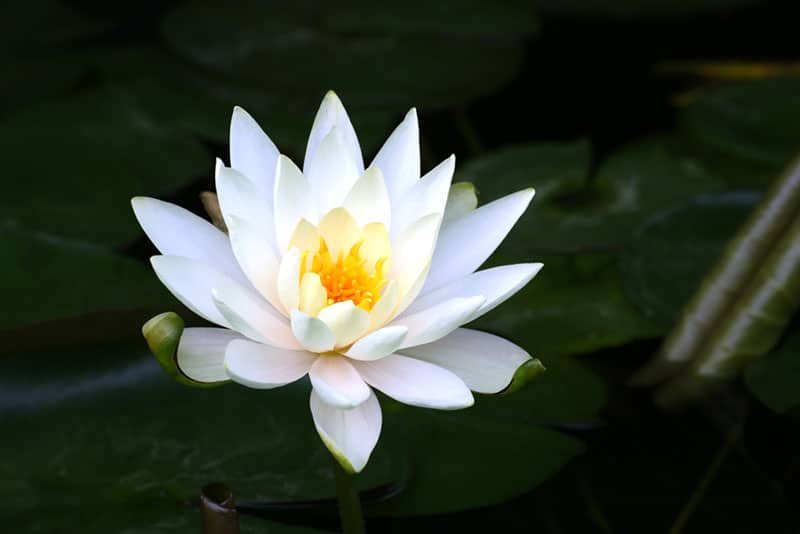
10. Night-Blooming Water Lily (Nymphaea spp.)
Perfect for water features and ponds, night-blooming water lilies open in the evening and close by mid-morning.
Their large, cup-shaped blooms float elegantly on the surface and come in shades of red, pink, and purple.
These aquatic plants grow best in zones 9–10 and help regulate water temperature and algae by shading the pond’s surface.
-
Best For: Ponds, water gardens, and container water features
-
Bonus: Provides cover for fish and reduces algae growth
With the right selection of night-blooming flowers, your garden doesn’t have to fade into darkness after sunset.
Whether you want a quiet place to unwind under the stars or a fragrant escape to enjoy in the cool evening air, these plants can turn your yard into a magical nighttime retreat.
When planning your moon garden, consider:
-
Color: White or pale-colored flowers reflect moonlight beautifully
-
Scent: Choose intensely fragrant varieties to engage the senses
-
Timing: Mix plants that bloom at dusk with those that stay open all night
-
Placement: Plant near patios, walkways, or windows for full enjoyment
Creating a garden that blooms by moonlight is one of the most enchanting ways to extend the pleasure of your landscape well beyond daylight hours.