
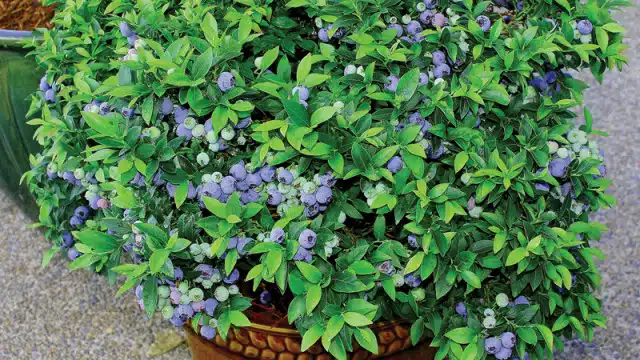
Growing blueberries in containers or pots is a fantastic way to enjoy fresh, delicious berries even if you have limited garden space.
Blueberries are not only tasty but also packed with nutrients, making them a great addition to your home garden.
Here are ten easy tips to help you successfully grow blueberries in containers or pots, along with a detailed guide on how to get started.

1. Choose the Right Container
Selecting the right container is crucial for the healthy growth of blueberry plants. Use a pot that is at least 18-24 inches in diameter and 18 inches deep to provide adequate space for root development.
Ensure the container has good drainage to prevent waterlogging, as blueberries are sensitive to overly wet conditions.
2. Use Acidic Soil
Blueberries thrive in acidic soil with a pH between 4.5 and 5.5. Use a high-quality, well-draining potting mix formulated for acid-loving plants.
You can also mix peat moss, pine bark, and perlite to create an ideal growing medium. Regularly test the soil pH and adjust if necessary using soil acidifiers.
3. Select the Right Varieties
Choose blueberry varieties that are suitable for container growing and your climate. Some excellent container-friendly varieties include ‘Top Hat,’ ‘Patriot,’ and ‘Sunshine Blue.’
Consider planting different varieties to improve pollination and increase fruit yield, as blueberries benefit from cross-pollination.
4. Provide Adequate Sunlight
Blueberries need plenty of sunlight to produce abundant fruit. Place your containers in a location that receives at least six to eight hours of direct sunlight daily.
If growing indoors, use grow lights to supplement natural light, ensuring your plants get enough exposure to thrive.
5. Water Consistently
Consistent watering is essential for healthy blueberry plants. Keep the soil evenly moist but not waterlogged.
Water your plants deeply and regularly, especially during hot, dry weather. Mulching the soil surface can help retain moisture and reduce the frequency of watering.
6. Fertilize Properly
Blueberries require specific nutrients to thrive. Use a fertilizer formulated for acid-loving plants, such as those for azaleas or rhododendrons.
Apply fertilizer in early spring and again in late spring, following the package instructions for the correct dosage. Avoid over-fertilizing, as this can harm the plants.
7. Prune for Health and Productivity
Pruning helps maintain the health and productivity of your blueberry plants. In late winter or early spring, remove any dead or weak branches and thin out crowded areas to improve air circulation.
Regular pruning encourages new growth and increases fruit yield, resulting in more berries.
8. Protect from Pests and Diseases
Blueberries can be susceptible to pests such as aphids, spider mites, and birds. Use organic insecticides or introduce beneficial insects to control pests.
To protect your berries from birds, cover the plants with bird netting. Monitor your plants regularly for signs of disease and treat them promptly to keep them healthy.
9. Ensure Proper Pollination
Blueberries benefit from cross-pollination, which can lead to larger and more abundant fruit. Plant at least two different varieties close together to enhance pollination.
If growing indoors, gently shake the plants or use a small brush to transfer pollen between flowers, mimicking natural pollination.
10. Winter Care
Blueberries in containers need protection during winter to prevent root damage from freezing temperatures.
Move the containers to a sheltered location, such as a garage or basement, or insulate the pots with straw or burlap. Reduce watering during the dormant period but ensure the soil doesn’t dry out completely.
How to Grow Blueberries in Pots: Step-by-Step Guide
- Select the Right Container: Choose a large container with good drainage. A pot that is at least 18-24 inches in diameter and 18 inches deep works best.
- Prepare the Soil: Fill the container with a well-draining, acidic potting mix. You can use a commercial mix for acid-loving plants or make your own by combining peat moss, pine bark, and perlite.
- Plant the Blueberry: Dig a hole in the soil that is deep enough to cover the plant’s root ball. Place the plant in the hole, ensuring the roots are spread out. Fill in around the roots with soil, pressing down gently to eliminate air pockets. Water thoroughly to settle the soil.
- Place the Container in Sunlight: Position the pot in a sunny location that receives at least six to eight hours of direct sunlight daily. If growing indoors, ensure the plant gets sufficient light by placing it near a window or using grow lights.
- Water Regularly: Keep the soil consistently moist but not soggy. Water deeply and regularly, especially during dry periods. Use mulch to help retain moisture.
- Fertilize Appropriately: Feed the plant with a fertilizer designed for acid-loving plants. Apply according to the manufacturer’s instructions, typically in early and late spring.
- Prune Annually: Prune the blueberry plant in late winter or early spring. Remove dead or weak branches and thin out crowded areas to promote air circulation and new growth.
- Monitor for Pests and Diseases: Keep an eye on your plant for signs of pests or disease. Use organic pest control methods and treat any issues promptly to maintain plant health.
- Ensure Proper Pollination: Plant multiple varieties if possible to encourage cross-pollination. Indoors, mimic natural pollination by gently shaking the plants or using a small brush to transfer pollen.
- Provide Winter Protection: Move the pot to a sheltered location during winter, or insulate it to protect the roots from freezing. Reduce watering during the dormant period, but do not let the soil dry out completely.
Growing blueberries in containers or pots is a rewarding and accessible way to enjoy fresh, homegrown berries.
By following these ten easy tips and the step-by-step guide, you can ensure your blueberry plants thrive and produce a bountiful harvest.
With the right care and attention, you’ll be able to savor the delicious taste of blueberries straight from your own garden. Happy gardening!


