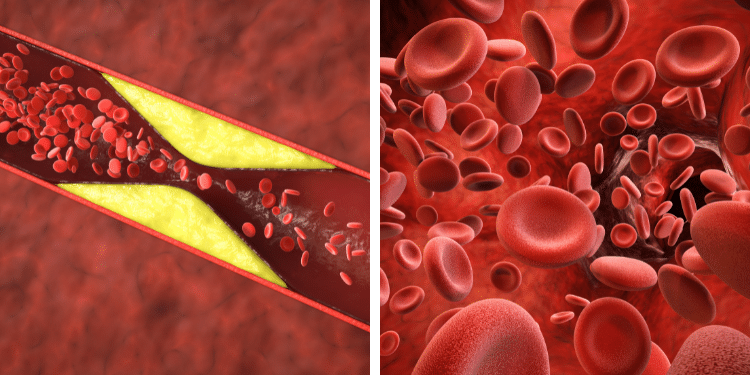
Blood clots are silent, dangerous, and far more common than most people realize. They can form deep inside the veins- usually in the legs – and block blood flow, creating a condition known as deep vein thrombosis (DVT).
If part of the clot breaks loose, it can travel to the lungs and become a pulmonary embolism (PE), a medical emergency that can be fatal within minutes.
The signs of a blood clot often start subtly. Many people mistake the symptoms for muscle soreness, dehydration, poor circulation, or everyday aches.
But early detection is critical, because the sooner a clot is found, the easier it is to treat and the lower the risk of serious complications.
Here are 10 early warning signs of a blood clot you should never ignore, why they happen, and what they mean for your health.
1. Sudden Swelling in One Leg or Arm
One of the most common signs of a blood clot – especially DVT – is swelling that appears in a single limb. This happens because the clot blocks normal blood flow, causing fluid to accumulate.
Swelling from a blood clot usually appears:
- In only one leg (most common)
- In one foot or ankle
- In one arm
- Without injury or clear cause
This swelling may feel tight, heavy, or warm. It can come on gradually or suddenly.
If one leg is noticeably bigger than the other, treat it as a warning sign.
2. Pain or Tenderness You Can’t Explain
Pain from a blood clot often feels different from typical muscle pain. People describe it as:
- A deep, throbbing ache
- Sharp pain that worsens when standing or walking
- Cramping similar to a charley horse
- Tenderness along a vein
- A pulling or stretching sensation in the calf
This pain may begin mildly and intensify over hours or days.
If pain appears in one leg without an injury, especially if accompanied by swelling, it may be an early sign of DVT.
3. Warmth in the Affected Area
A blood clot raises the temperature of the surrounding tissue due to inflammation and reduced blood flow.
You may notice:
- One leg feels warm to the touch
- A warm patch on the calf or thigh
- Heat that doesn’t go away with rest
Warmth combined with swelling, redness, or tenderness increases the likelihood of a clot.
4. Skin That Looks Red, Blue, or Discolored
Abnormal skin color is another clue that blood flow is being restricted.
Signs include:
- Red streaks or patches
- Darkened skin
- Blue or purple discoloration
- A shiny, stretched appearance
These changes may appear suddenly or spread over time.
This symptom is especially concerning when paired with swelling or pain.
5. Unexplained Shortness of Breath
Shortness of breath can signal that a clot has traveled to the lungs – a pulmonary embolism, which is a life-threatening emergency.
The shortness of breath from a PE often appears:
- Suddenly
- Without exercise or exertion
- Even while sitting or lying down
You may feel like you can’t take a full breath or like something is blocking your airflow.
Never ignore unexplained difficulty breathing – it may be the first sign of a clot in the lungs.
6. Chest Pain That Gets Worse When You Breathe In
Chest pain from a pulmonary embolism is sharp, stabbing, and often worsens when you:
- Take a deep breath
- Cough
- Bend
- Lie down
This is known as pleuritic chest pain, caused by inflammation around the lungs when a clot blocks an artery.
Many people mistake it for:
- Heart attack
- Muscle strain
- Acid reflux
But if chest pain appears suddenly with shortness of breath, it may indicate a blood clot in the lungs.
7. A Rapid or Racing Heartbeat
When a clot restricts blood flow to your lungs or major organs, your heart has to work harder to compensate.
You may feel:
- Heart pounding
- Unexpected rapid heartbeat
- Irregular rhythm
- Flutters or palpitations
A racing heart with shortness of breath is a red flag that requires immediate medical attention.
8. Sudden, Unexplained Cough – Sometimes With Blood
A pulmonary embolism can irritate the lungs and airways, triggering a sudden cough.
Warning signs include:
- A cough that appears out of nowhere
- Coughing fits without being sick
- Coughing up blood or pink, frothy mucus
- Chest pain when coughing
Even if no blood appears, a sudden cough paired with breathing issues is a serious sign of a clot.
9. Lightheadedness, Fainting, or Feeling Like You Might Pass Out
A clot that disrupts oxygen flow can cause fainting spells or severe dizziness.
This happens when:
- Blood pressure drops suddenly
- The brain isn’t receiving enough oxygen
- The heart struggles to circulate blood
This symptom is common in severe pulmonary embolism and shouldn’t be ignored – especially if combined with chest pain or shortness of breath.
10. A Unusual Heavy Feeling in a Limb
This is one of the most overlooked but important early symptoms.
People with DVT often describe:
- One leg feeling heavier than the other
- A dragging or weighted sensation
- Pressure deep inside the limb
- A feeling something isn’t “normal”
This heaviness may appear before pain or swelling becomes obvious.
If a leg or arm suddenly feels heavy for no reason, it may be an early sign of a clot forming.
Who Is Most at Risk of Blood Clots?
Blood clots can happen to anyone, but the risk increases with certain conditions and lifestyle factors.
Higher-risk groups include:
- People who sit for long periods (travel, office work)
- Smokers
- Pregnant women
- Individuals on birth control or hormone therapy
- Those who recently had surgery (especially hip or knee)
- People over age 55
- Individuals with obesity
- People with heart or lung disease
- Those with clotting disorders
- Anyone who is bedridden or recovering from illness
If you fall into one of these categories, recognizing early signs becomes even more crucial.
What You Should Do If You Suspect a Blood Clot
Because blood clots can escalate quickly, early response is essential.
Seek medical help immediately if you experience:
- Sudden swelling in one leg or arm
- Shortness of breath
- Chest pain
- Coughing up blood
- Fainting or dizziness
Do not massage the area, apply heat, or try to “walk it off.” Movement can dislodge the clot and send it to the lungs.
What a Doctor Will Typically Do
If a blood clot is suspected, doctors may perform:
- Ultrasound imaging (for DVT)
- CT scan or chest angiography (for pulmonary embolism)
- Blood tests to check clotting factors
- ECG if chest pain is present
Treatment may include:
- Blood thinners
- Clot-dissolving medications
- Compression therapy
- Temporary activity restrictions
Early diagnosis saves lives – and prevents long-term complications.
Blood clots are dangerous, silent, and fast-moving – but they almost always give early warning signs.
The key is recognizing those signs before the clot becomes life-threatening.