Succulents are prized for their unique ability to retain water, thriving in poor soil conditions and arid climates where other plants struggle.
With their thick, fleshy leaves and remarkable drought tolerance, succulents have become extremely popular as both ornamental and indoor plants.
Succulents are often categorized into two types based on their light requirements: high light and low light.
High light succulents typically display vibrant colors—shades of red, purple, and pink—and need hours of bright, direct sunlight daily.
Low light succulents, on the other hand, thrive with only a few hours of indirect sunlight and often feature darker green, lush foliage. Their growth tends to be more compact, and they exhibit beautiful architectural forms and textures.
Low light succulents are perfect for offices, bathrooms, apartments, and any room with limited natural light.
Thanks to their minimal watering needs and hardy nature, they are ideal for beginners or anyone looking for a low-maintenance indoor plant collection.
Here are 10 of the best low light succulents to bring effortless greenery into your home.
1. Aloe Vera (Aloe barbadensis miller)
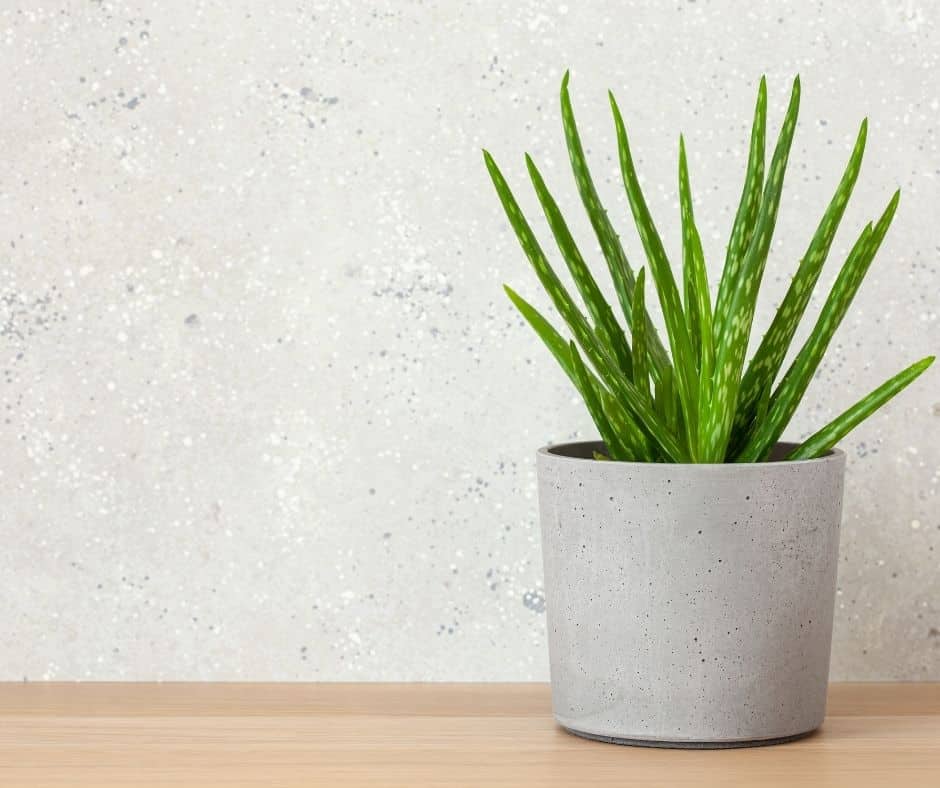
Aloe Vera is one of the most recognized and beloved succulents worldwide. Best known for its medicinal properties—soothing burns, moisturizing skin, and aiding digestion—this plant is incredibly easy to care for.
Aloe vera requires minimal light, thriving near a bright window but surviving well even in filtered light conditions.
Its thick, spiky green leaves store water, allowing it to withstand long periods without watering. Just be sure to let the soil dry out completely between waterings to prevent root rot.
2. Gasteria
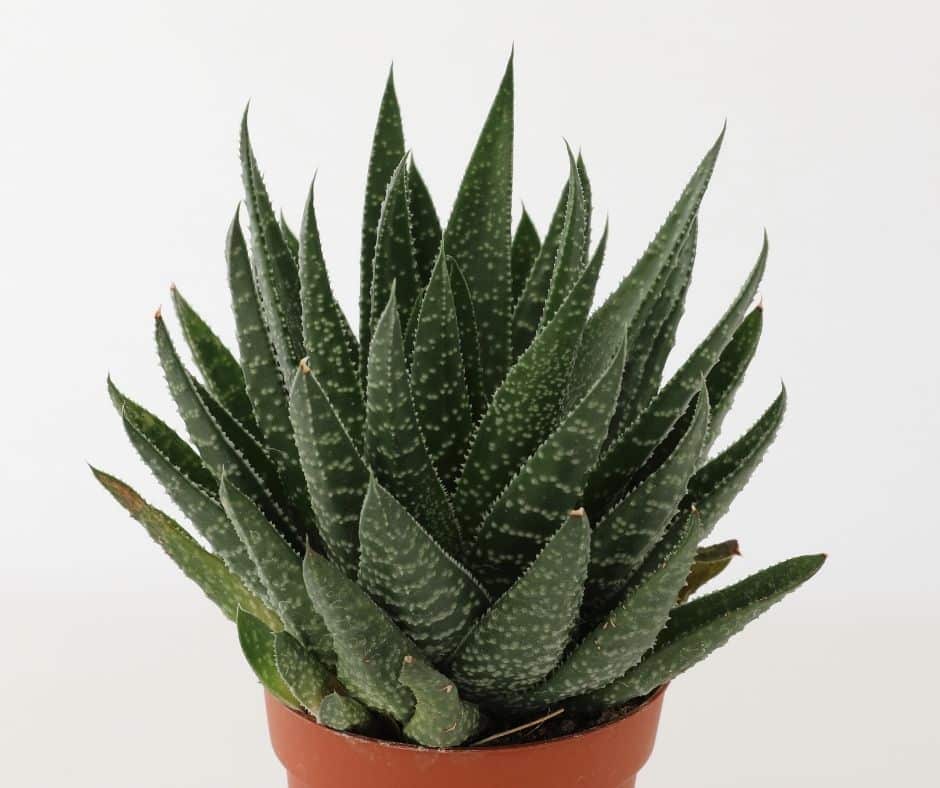
Gasteria, sometimes called “ox tongue” due to the texture of its leaves, is a hardy, slow-growing succulent that adapts well to low light conditions.
Its thick, grooved leaves often have interesting speckles or stripes and can vary from dark green to a gray-green hue.
Gasteria plants prefer indirect light, making them excellent choices for desks, bookshelves, and bathrooms. They require very little water and are well suited to sandy, well-draining soil.
3. Haworthia
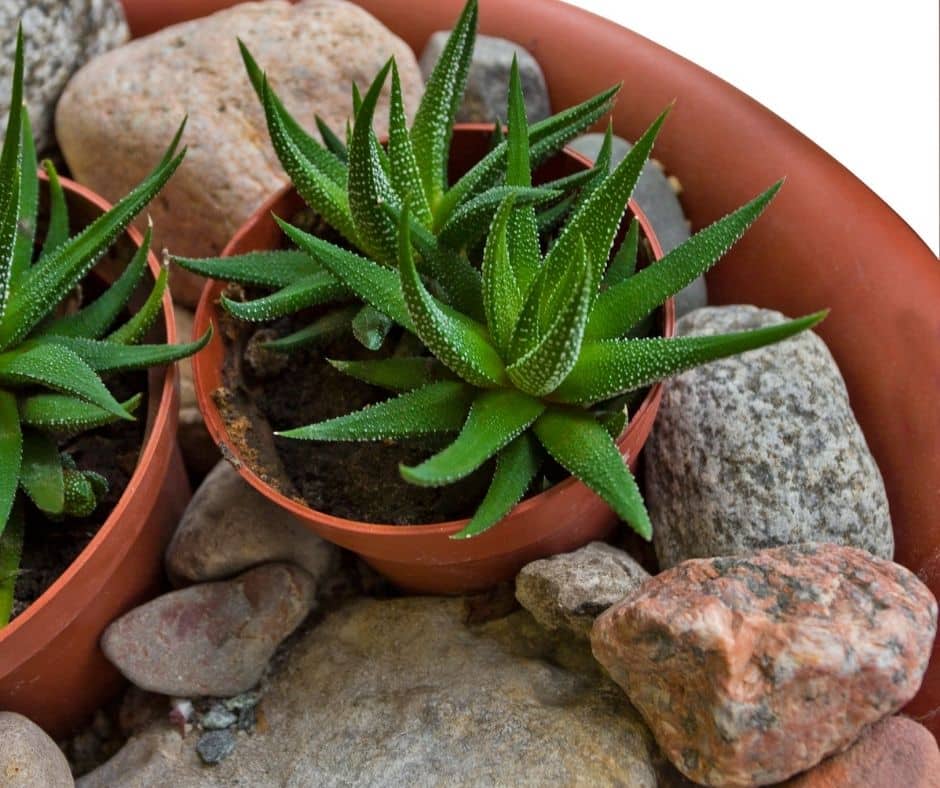
Native to South Africa, Haworthia includes a diverse group of small, low-light succulents that are visually striking and easy to care for.
These succulents often resemble miniature aloe plants, featuring thick, pointed leaves that may be striped, spotted, or even translucent depending on the species.
Haworthias thrive on neglect—only needing minimal light, occasional watering, and a cozy spot away from direct sun.
4. Echeveria
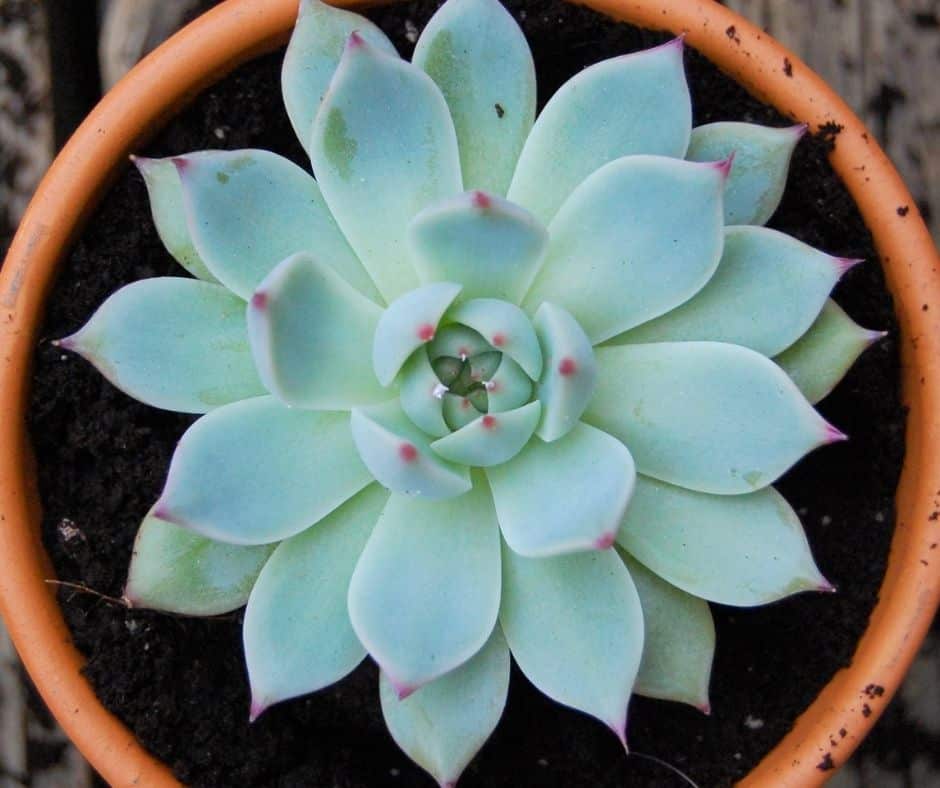
Echeverias are among the most visually stunning succulents, loved for their beautiful rosette shapes and pastel-toned leaves.
Although they generally prefer bright, indirect light, many varieties tolerate lower light conditions when watered sparingly and protected from excessive moisture.
Echeverias come in many colors and sizes, making them ideal for adding sculptural interest to shelves, windowsills, or decorative pots indoors.
Be mindful not to overwater, especially in lower light, as their roots are sensitive to rot.
5. Rhipsalis
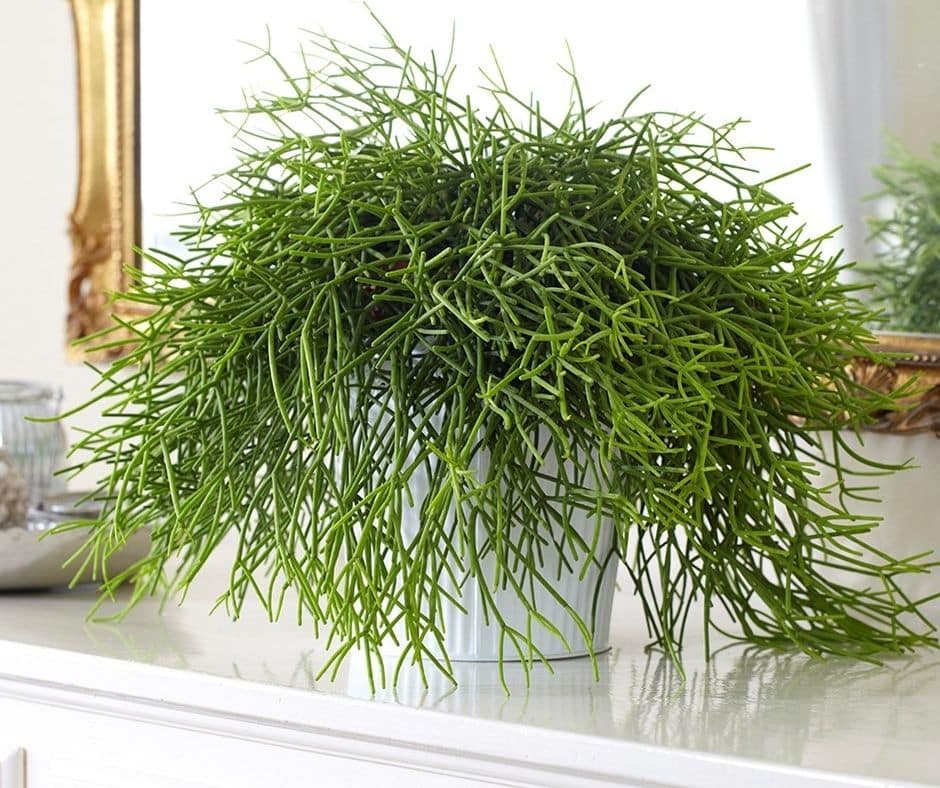
Unlike typical desert-dwelling succulents, Rhipsalis is a tropical cactus native to the rainforests of Central and South America.
Known for its trailing, slender stems, Rhipsalis thrives in shaded, humid conditions and is perfect for hanging baskets indoors.
Unlike traditional succulents that crave dryness, Rhipsalis appreciates a bit more moisture and a consistently warm environment, making it a standout choice for bathrooms or kitchens.
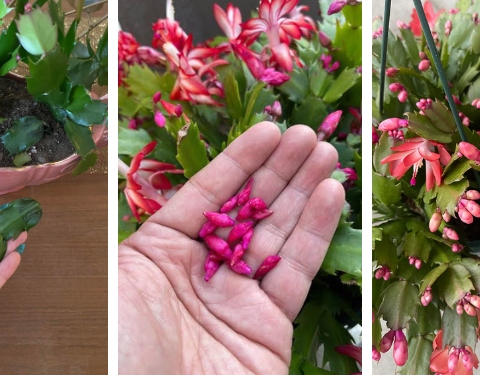
6. Schlumbergera (Holiday Cactus)
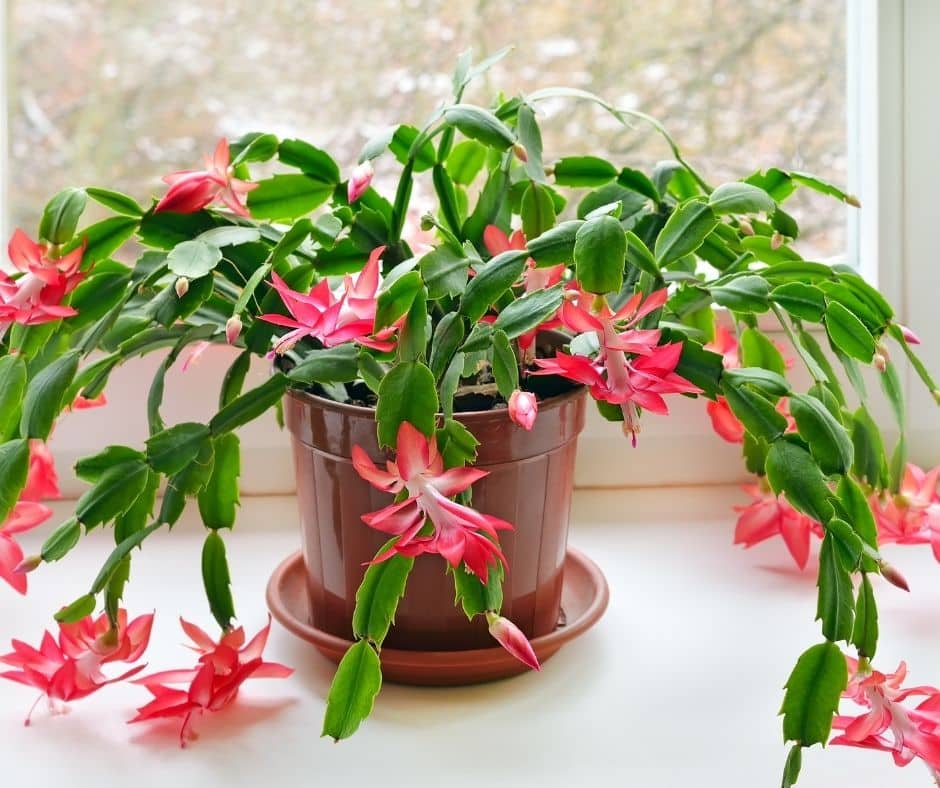
Often called Christmas, Easter, or Thanksgiving cactus depending on its bloom time, Schlumbergera is a popular succulent for its vibrant, festive flowers.
The segmented stems and bright blooms in shades of red, pink, white, or purple make it a cheerful addition to winter interiors.
Holiday cacti thrive in low to medium light and need moderate watering, especially when in bloom. They’re compact enough for tabletops and windowsills and easy to propagate from cuttings.
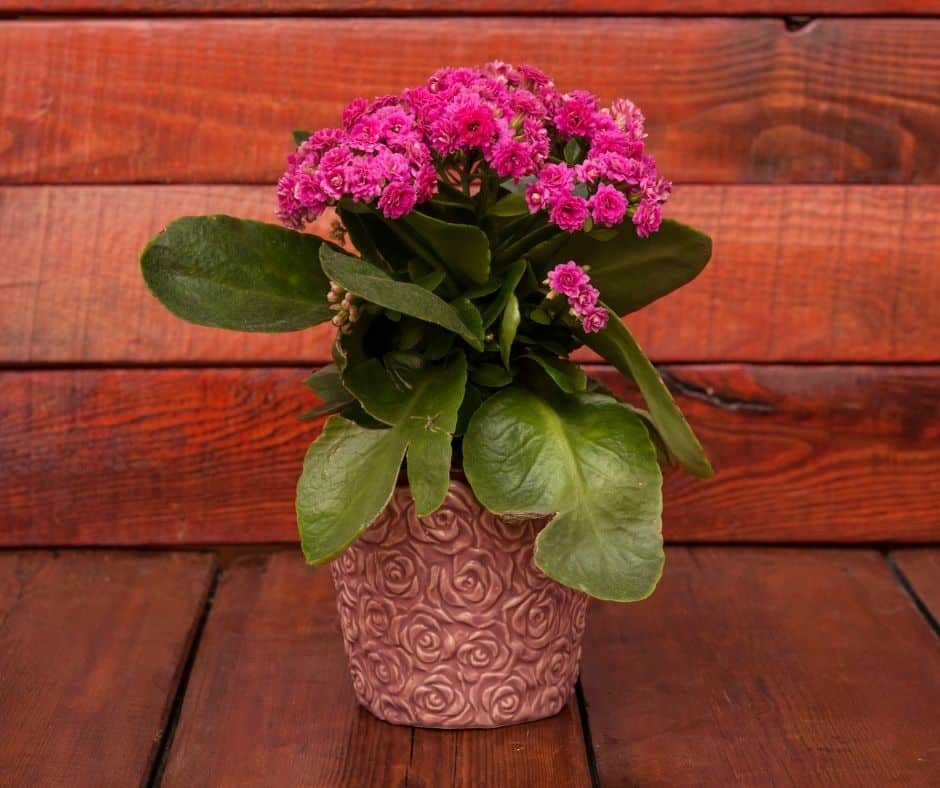
7. Kalanchoe
Kalanchoe species are incredibly versatile succulents native to Madagascar. Their thick, waxy leaves often have interesting textures or scalloped edges, and many varieties produce clusters of long-lasting, colorful flowers.
Kalanchoes do well with minimal light and can handle periods of drought, making them excellent low-maintenance houseplants.
With varieties ranging from compact shrubs to trailing types, there’s a kalanchoe to suit every indoor space.
8. Hoya
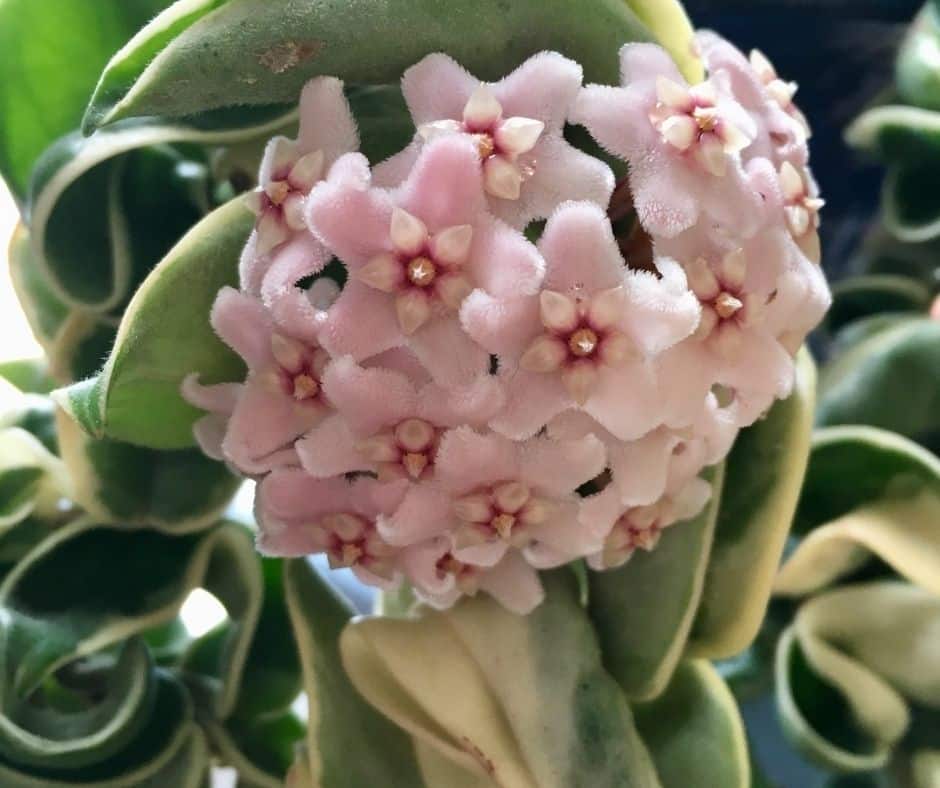
Hoyas, also known as wax plants, are trailing succulents that feature thick, glossy, and often heart-shaped leaves. Their sweetly scented, star-shaped flowers add a special touch to indoor spaces.
Hoyas tolerate low to medium light levels but will bloom more readily if given bright, indirect light.
They are especially suited for hanging baskets or high shelves where their vines can elegantly cascade down.
9. Snake Plant (Sansevieria trifasciata)
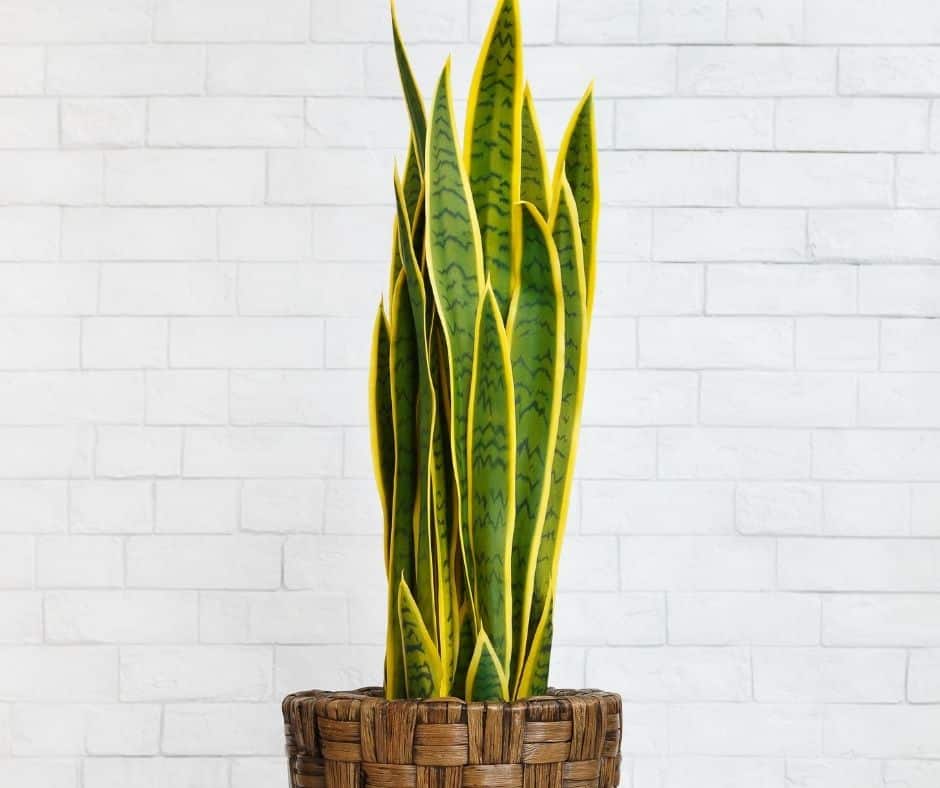
The snake plant, also called mother-in-law’s tongue, is a nearly indestructible succulent loved for its upright, sword-like leaves.
Its stiff, patterned foliage varies from deep green to variegated yellow and green. Snake plants are highly adaptable and can survive with very little natural light, thriving in corners and hallways that other plants might find inhospitable.
In addition to their beauty, snake plants are excellent air purifiers, making them perfect for bedrooms and living spaces.
10. Ponytail Palm (Beaucarnea recurvata)
Despite its name, the ponytail palm is not a true palm but a succulent related to the agave family.
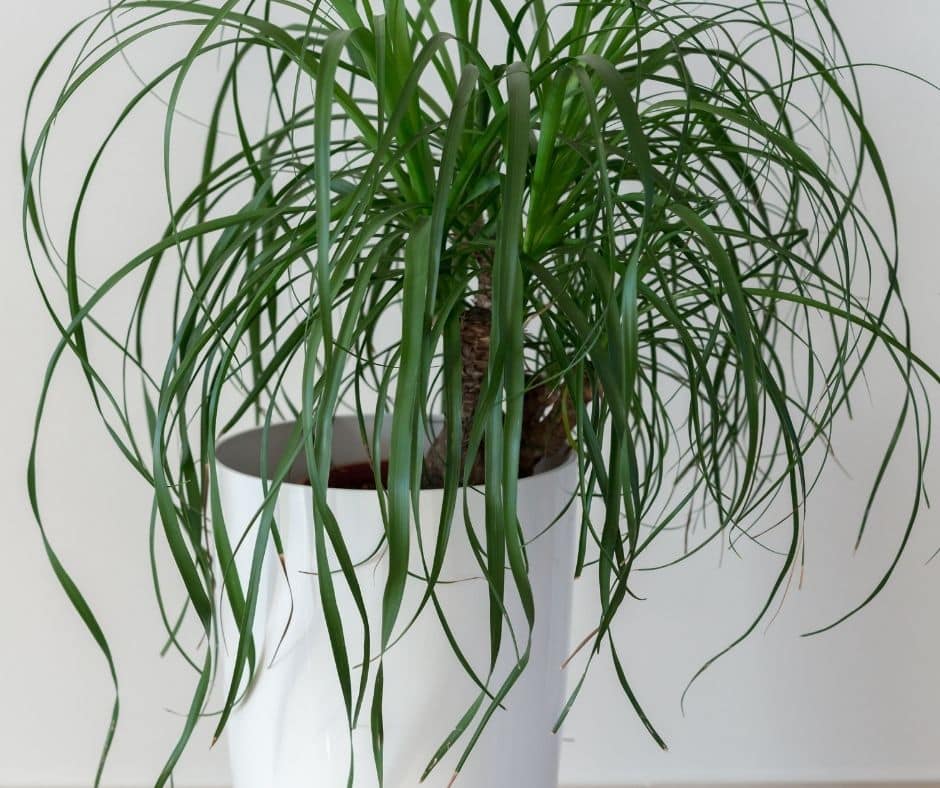
It’s easily recognized by its bulbous trunk, which stores water, and its long, slender, arching leaves that resemble a flowing ponytail.
Ponytail palms are perfect for brightening up interiors and can adapt well to low light conditions.
They need infrequent watering and thrive best when allowed to dry out completely between waterings. Their sculptural form makes them an attractive statement piece in any room.
Low light succulents offer a low-maintenance, stylish, and forgiving way to bring the beauty of nature indoors—even into spaces with limited sunlight.
Their striking shapes, textures, and resilience make them perfect companions for busy lifestyles or for those new to plant care.
By choosing the right varieties, you can easily enjoy a lush, vibrant indoor garden year-round, no matter the lighting conditions in your home or office.