People grow indoor plants for various reasons – some for their visual appeal, others for their therapeutic qualities, and many for their alluring fragrances.
Among these indoor selections, fragrant vines offer a rare combination of beauty and scent, transforming living spaces into aromatic sanctuaries.
These vines not only beautify the room but also elevate the ambiance with their natural perfume.
In this detailed guide, we explore 10 of the most captivating and sweet-smelling indoor vines that are perfect for home cultivation.
These plants vary in origin, appearance, and growing needs, but all share one quality – they fill your home with refreshing natural fragrance.
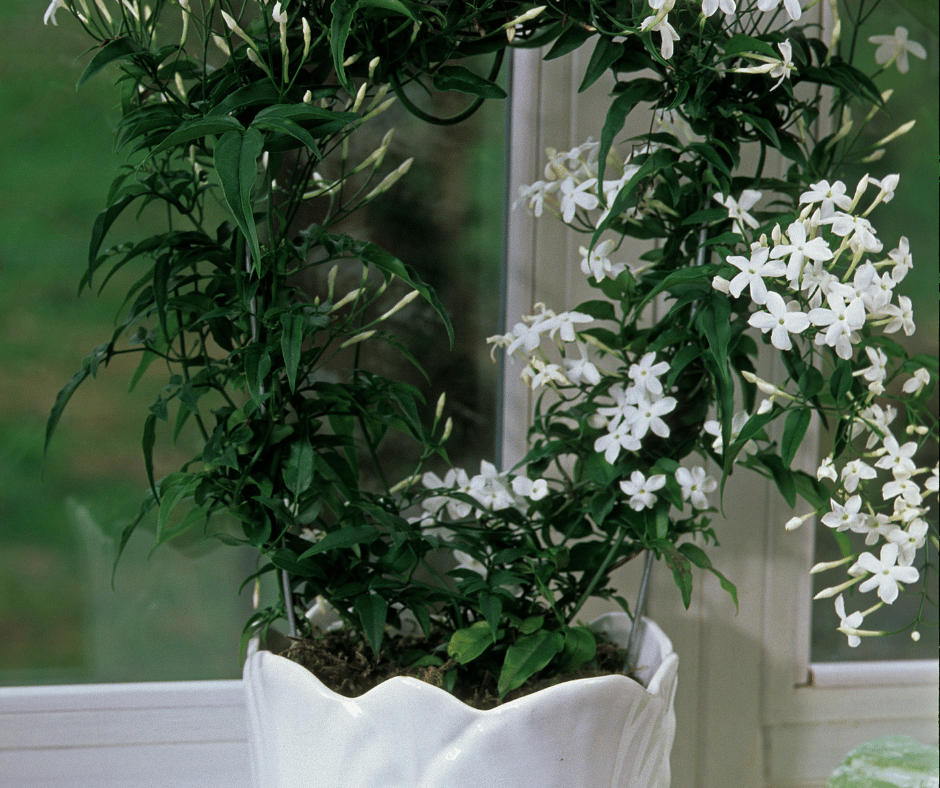
1. White Jasmine (Jasminum polyanthum)
White Jasmine, also known as pink jasmine or Chinese jasmine, is one of the most beloved fragrant vines grown indoors.
Native to China and Myanmar, this vine is a favorite for its stunning pink buds that open into star-shaped white flowers with an intense sweet fragrance.
Key Features:
- Blooms in late winter or early spring
- Requires 3–4 hours of bright, indirect sunlight
- Grows rapidly with proper care and humidity
- Best grown in a hanging basket or climbing up a trellis
Fragrance Profile: Intense and floral, often used in perfumes and teas.
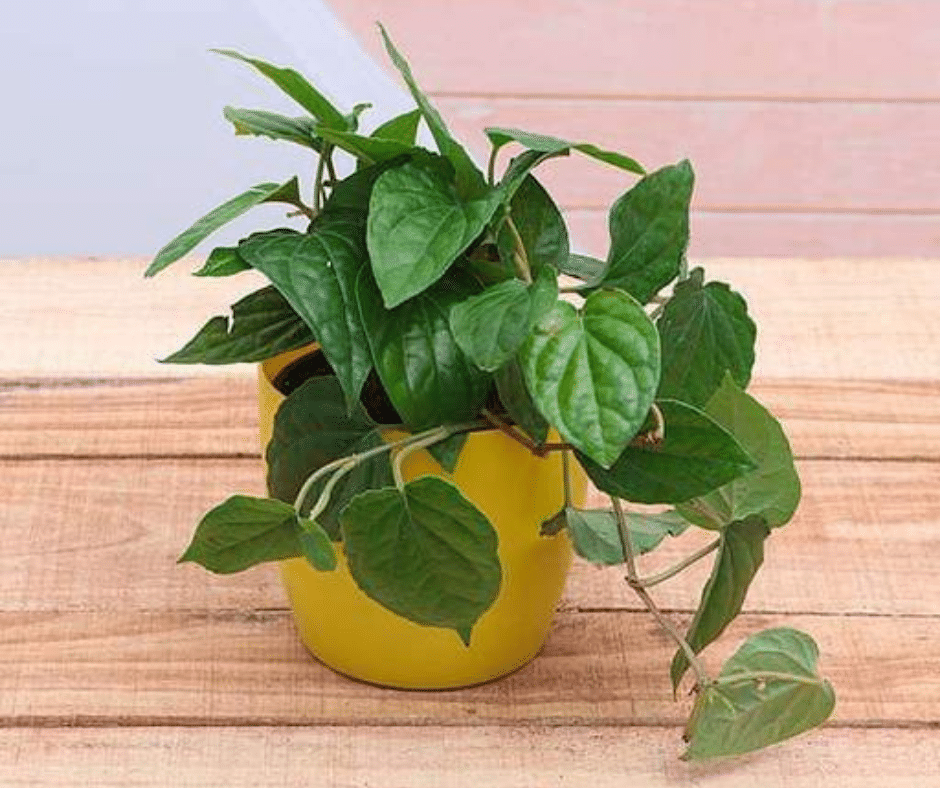
2. Betel Leaf Plant (Piper betle)
Traditionally used in Indian and Southeast Asian cultures, the Betel leaf plant is a climbing vine with glossy, heart-shaped leaves and a light peppery scent.
While not grown for flowers, the foliage alone emits a gentle, earthy fragrance.
Key Features:
- Prefers bright, filtered light and warm temperatures
- Needs consistently moist (but not waterlogged) soil
- Grows well in pots with trellis support
Fragrance Profile: Herbal, fresh, with subtle spicy undertones.
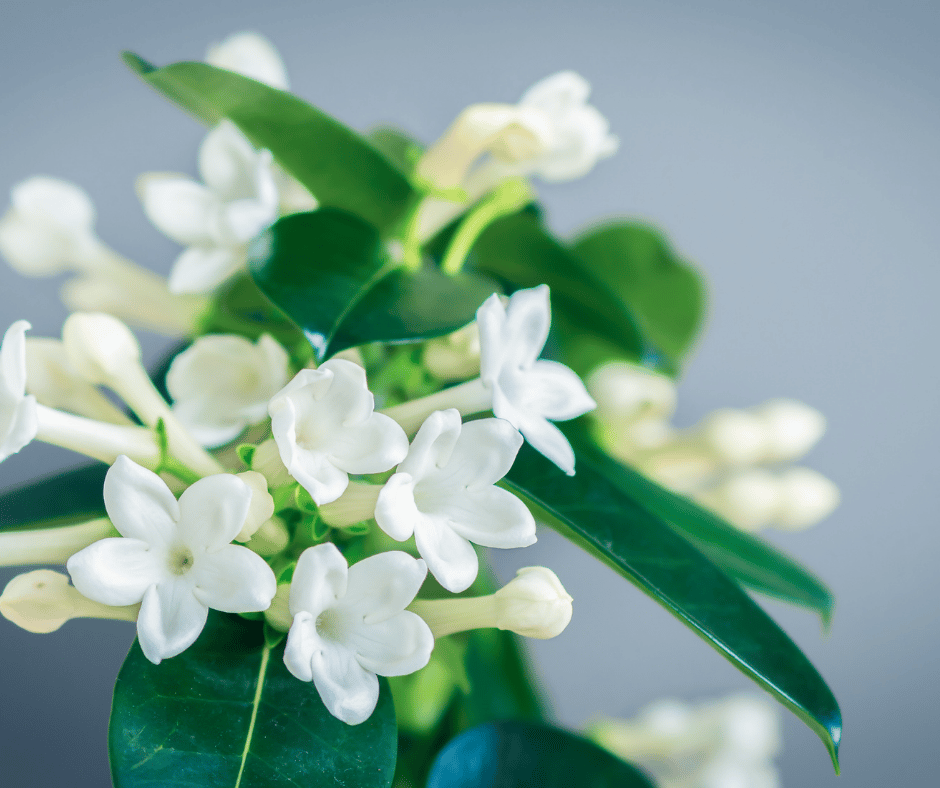
3. Madagascar Jasmine (Stephanotis floribunda)
Also called bridal wreath or wax flower, Madagascar Jasmine is prized for its pure white, tubular flowers and intoxicating scent.
Commonly used in wedding bouquets, it’s also a favorite for growing indoors due to its elegance.
Key Features:
- Needs bright, indirect light and high humidity
- Best in a trellised container or hanging basket
- Blooms in clusters during late spring to summer
Fragrance Profile: Sweet, strong, and lingering – ideal for perfumed spaces.
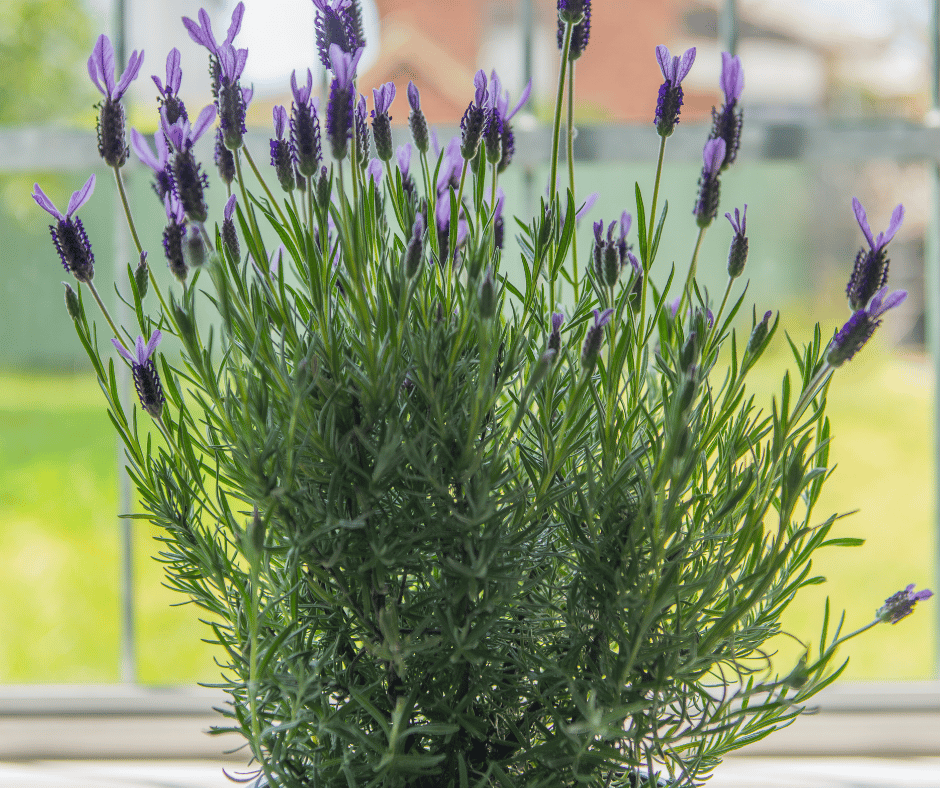
4. Lavender (Lavandula spp.)
While not a vine in the traditional sense, some compact varieties of lavender can be grown in cascading pots that mimic vine-like behavior.
Lavender is one of the most cherished aromatic plants for its soothing scent and aesthetic appeal.
Key Features:
- Requires at least 4–6 hours of full sunlight daily
- Needs well-draining soil and low humidity
- Ideal for windowsills, balconies, and sunrooms
Fragrance Profile: Calming, herbal, and floral – excellent for stress relief and better sleep.
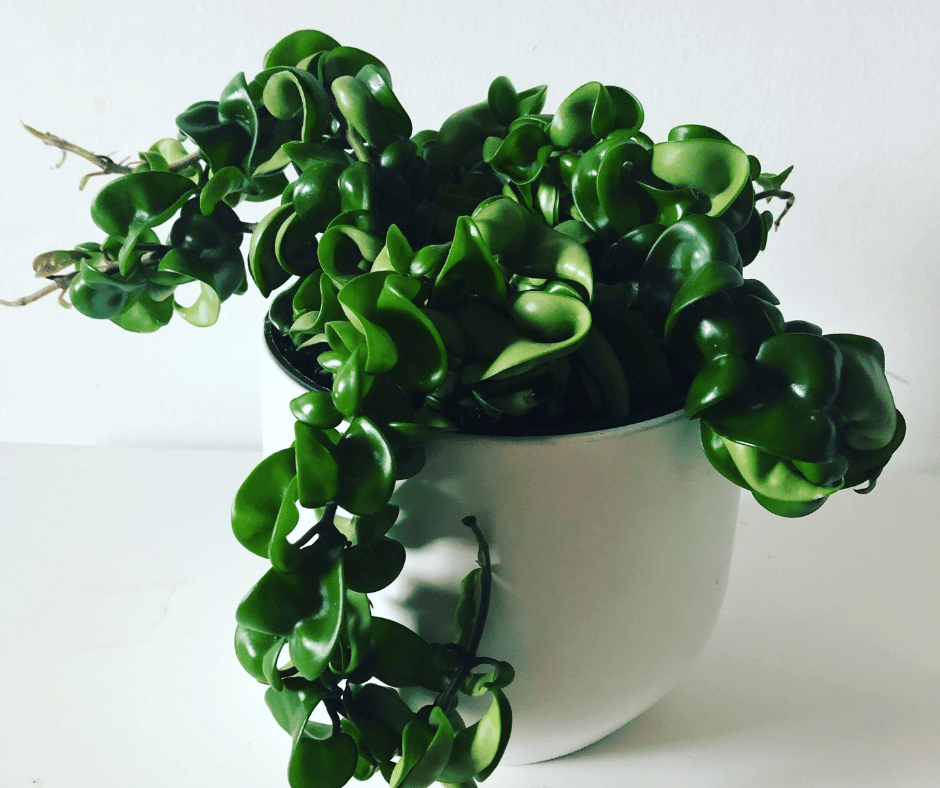
5. Hindu Rope Plant (Hoya carnosa ‘Compacta’)
A unique and eye-catching variety of the wax plant, the Hindu Rope Plant features curly, twisted vines and thick, succulent-like leaves.
It produces clusters of star-shaped, waxy flowers that release a citrusy, vanilla-like scent.
Key Features:
- Prefers bright, indirect sunlight and warm, humid environments
- Tolerates some drought; do not overwater
- Produces fragrant flowers once mature, often in spring or summer
Fragrance Profile: Sweet citrus and vanilla with a slightly musky undertone.
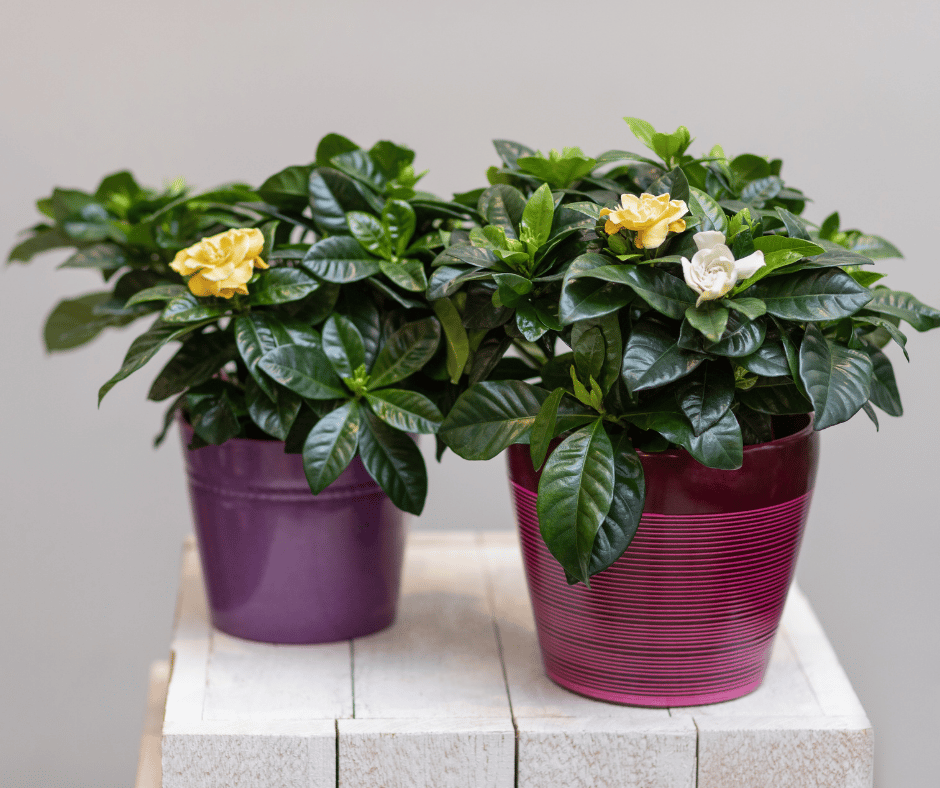
6. Gardenia (Gardenia jasminoides)
Though technically more of a shrub than a vine, gardenias can be grown as trailing or climbing plants indoors with proper training.
They are widely appreciated for their creamy white flowers and strong, exotic fragrance.
Key Features:
- Needs bright, indirect light and high humidity
- Requires acidic, well-draining soil
- Blooms during spring and summer
Fragrance Profile: Rich, floral, and spicy with green notes – intensely aromatic.
7. Sampaguita (Jasminum sambac)
Also known as Arabian jasmine, Sampaguita is the national flower of the Philippines and a cherished plant throughout Southeast Asia.
This climbing vine produces small, pure-white blooms with a powerfully sweet scent.
Key Features:
- Thrives in warm, sunny spots with moist, well-draining soil
- Can grow on trellises or as a compact houseplant
- Blooms frequently with good care
Fragrance Profile: Intensely floral and sweet – used in making jasmine tea and garlands.
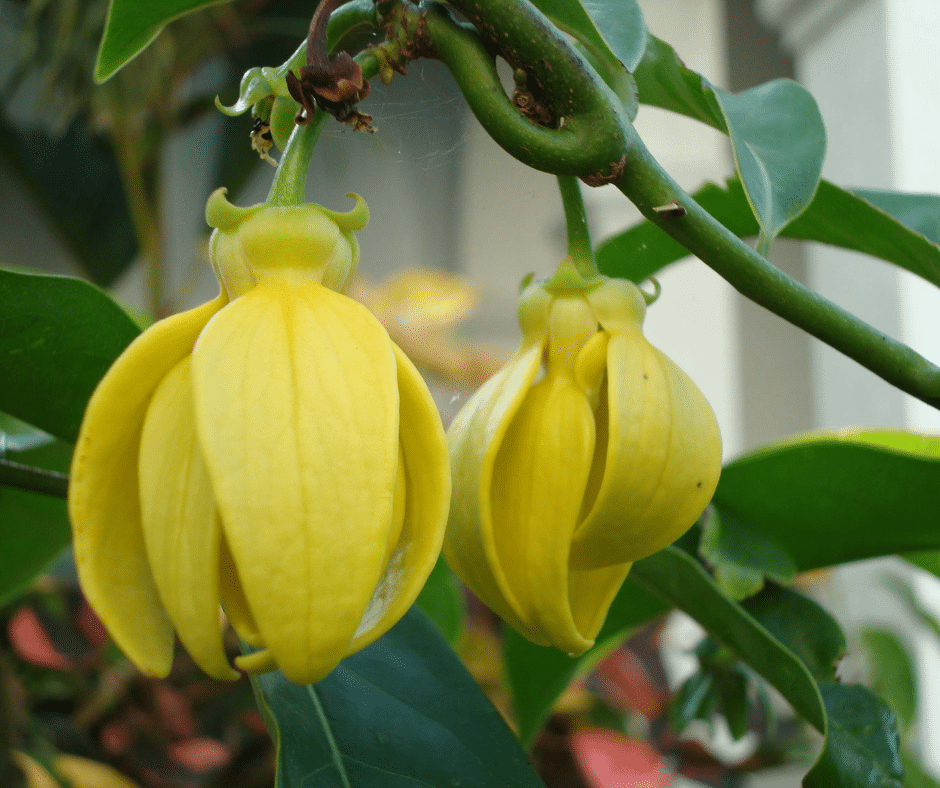
8. Ylang Ylang Vine (Artabotrys hexapetalus)
Often overlooked, the climbing Ylang Ylang Vine is a lesser-known cousin of the Ylang Ylang tree. Its thick green leaves and yellow-green flowers emit a fruity, bubblegum-like scent that perfumes the entire room.
Key Features:
- Needs a sunny window and moderate humidity
- Best grown in pots with vertical support
- Drought-tolerant once established
Fragrance Profile: Fruity, exotic, with bubblegum overtones – a true conversation starter.
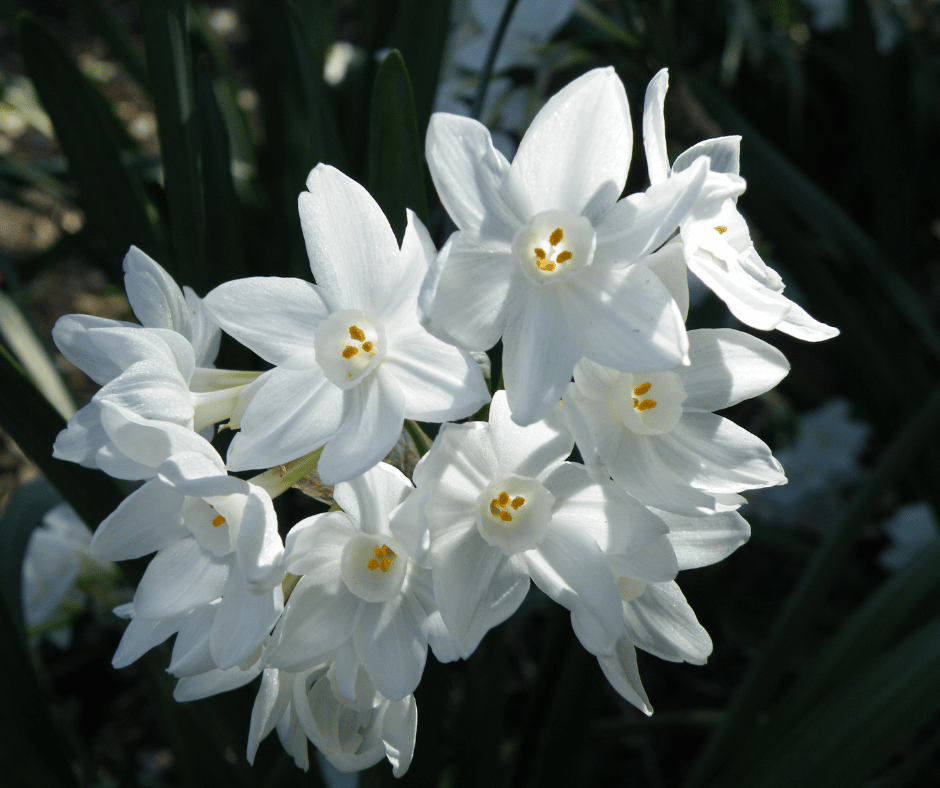
9. Paperwhite Narcissus (Narcissus papyraceus)
Though technically a bulb plant, Paperwhite narcissus is commonly forced indoors in winter, and its tall stems and delicate white flowers often resemble vines in containers.
It’s one of the most fragrant flowering plants for indoor winter blooms.
Key Features:
- Grows in shallow pots without drainage holes
- Requires only water and pebbles to bloom
- Blooms in 3–5 weeks indoors
Fragrance Profile: Strong, musky, floral fragrance – often polarizing but memorable.
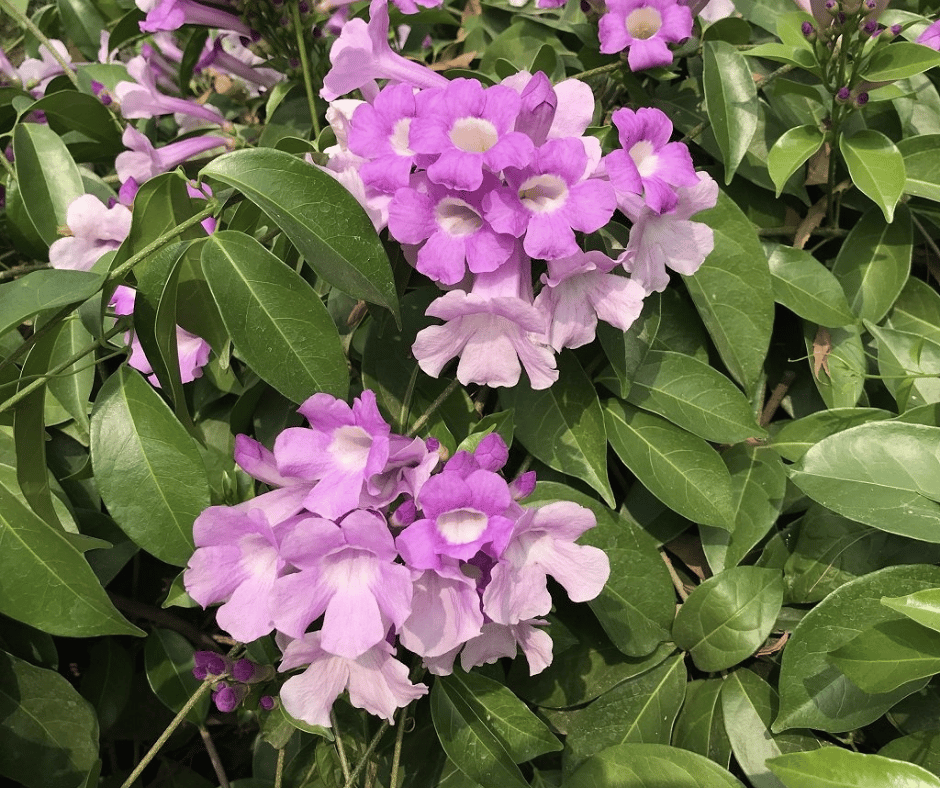
10. Garlic Creeper (Mansoa alliacea)
Native to South America, the Garlic Creeper is known for its tri-colored blooms and garlic-like scent.
Though unusual as a houseplant, it adapts well to container growing when provided with bright light and warmth.
Key Features:
- Best for sunny windows or indoor greenhouses
- Climbing habit makes it ideal for trellises or hanging baskets
- Needs consistent watering but avoid soggy soil
Fragrance Profile: Earthy, pungent garlic scent when leaves are crushed; flowers are mildly sweet.
Growing Tips for Fragrant Indoor Vines
If you’re planning to grow fragrant vines indoors, keep these tips in mind for best results:
- Sunlight: Most of these plants need bright, indirect sunlight. South or east-facing windows are ideal.
- Humidity: Tropical vines like jasmine, hoyas, and gardenias thrive in high humidity. Use a humidifier or pebble tray.
- Watering: Avoid overwatering. Let soil dry slightly between waterings, depending on the plant.
- Soil: Use well-draining potting mixes tailored to each plant’s needs (succulent mix for hoyas, acidic mix for gardenias).
- Support: Provide stakes, trellises, or hanging baskets to allow vines to grow upward or cascade elegantly.
- Pruning: Prune regularly to encourage bushy growth and more blooms.
Adding fragrant vines to your indoor garden not only elevates your décor but also improves your mood and indoor air quality.
Whether it’s the citrusy sweetness of a Hindu Rope Plant, the powerful perfume of Sampaguita, or the calming scent of lavender, there’s a fragrant vine to suit every home and personality.
These plants serve as natural air fresheners, conversation starters, and daily reminders of nature’s beauty – all within your living space.
With proper care and attention, they’ll reward you with year-round greenery and unforgettable aromas